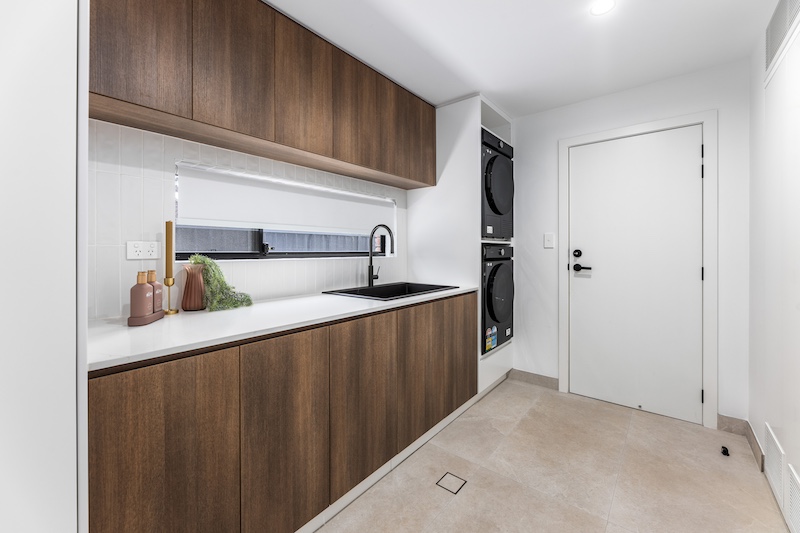
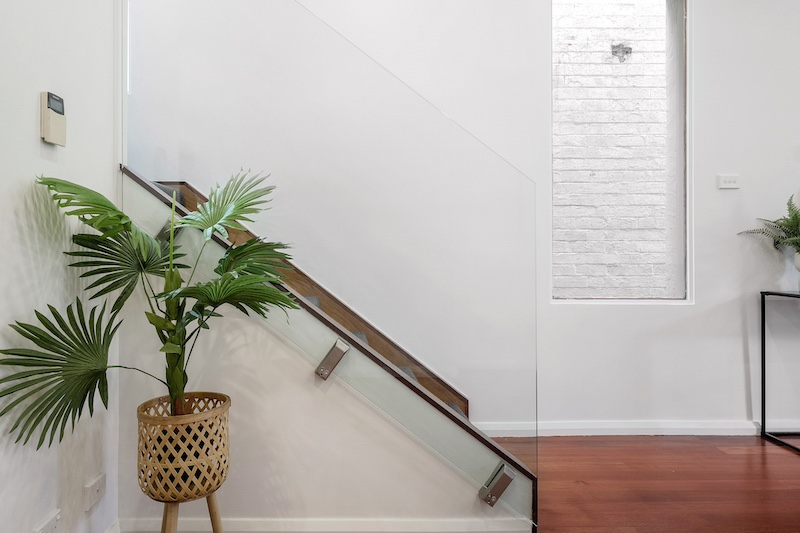
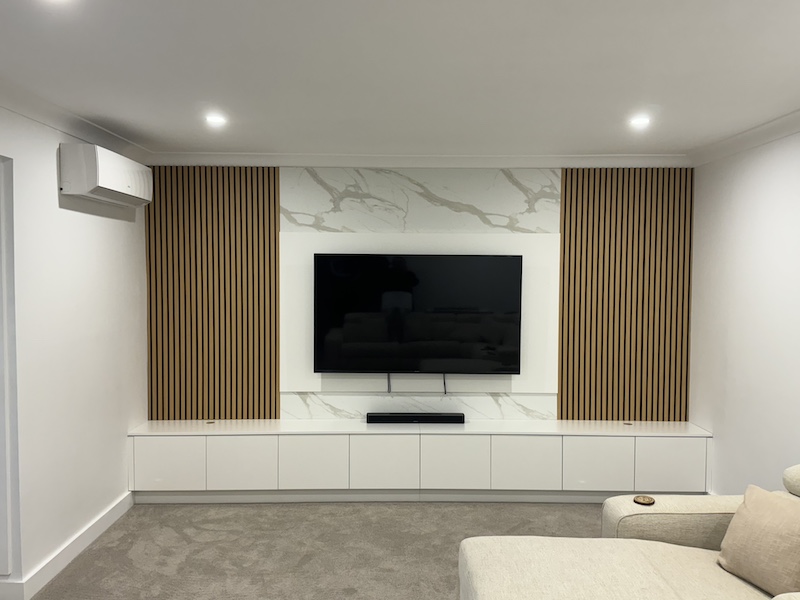
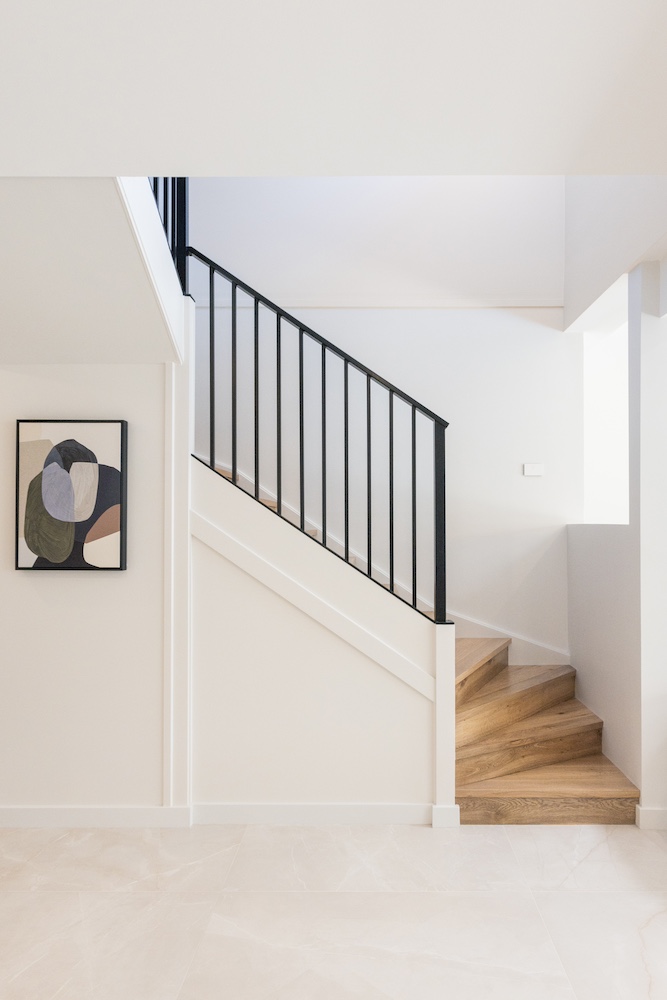
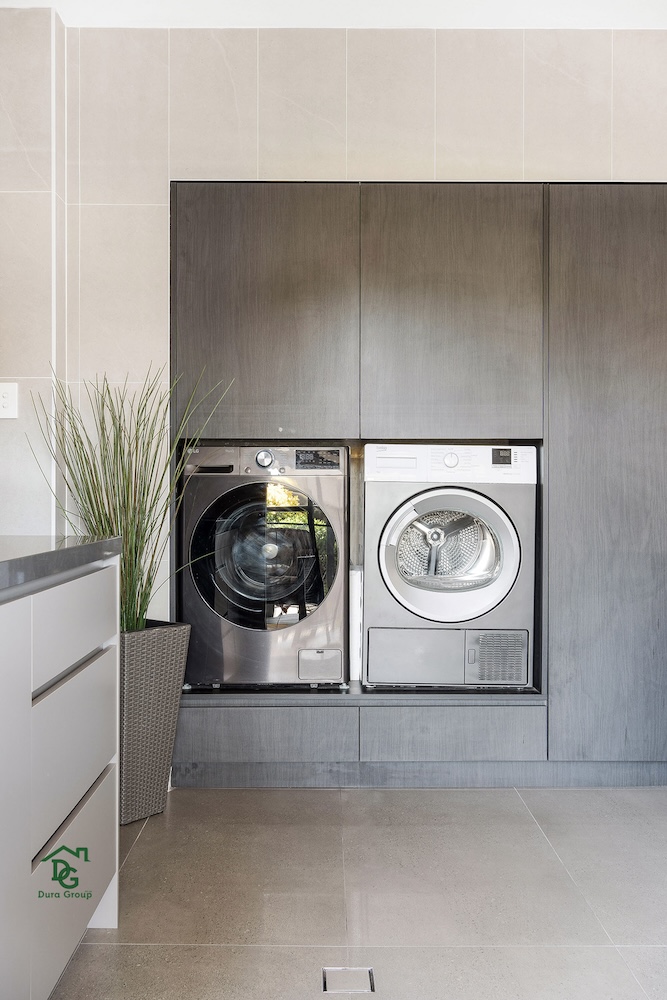
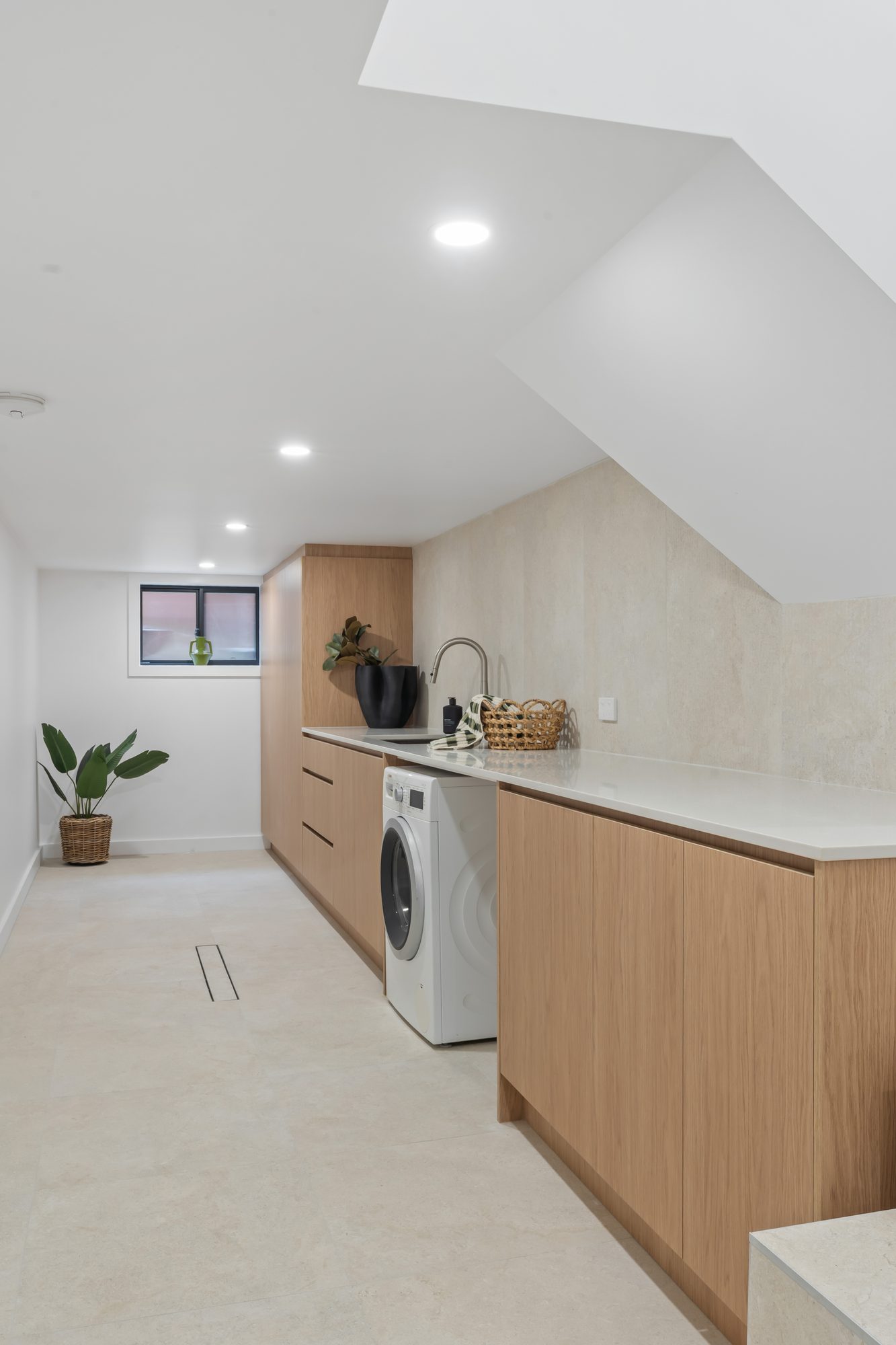
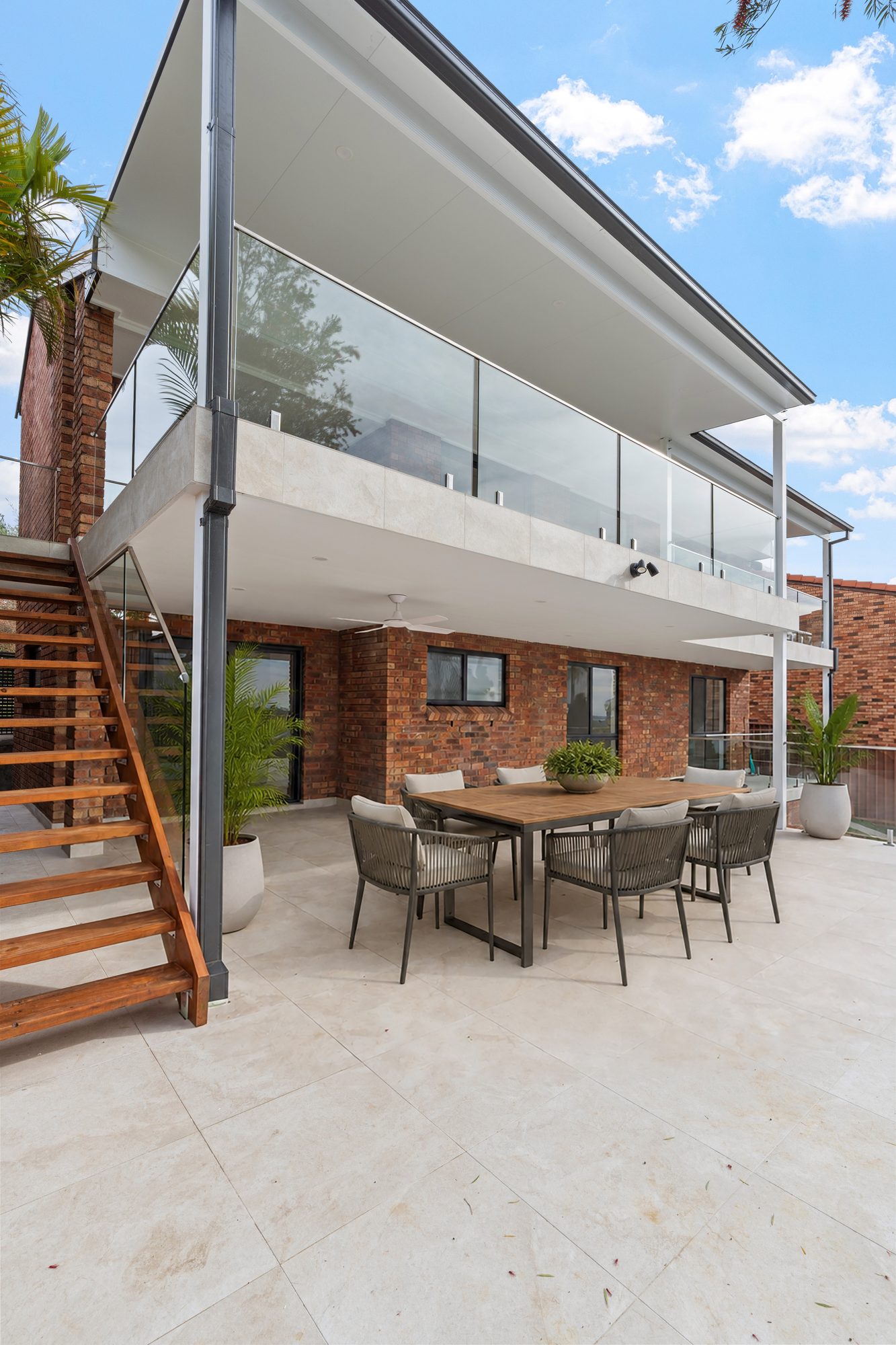
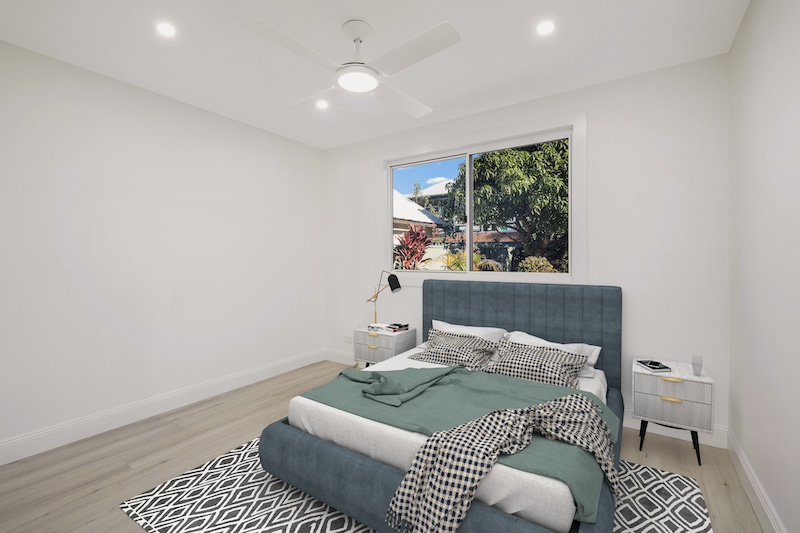
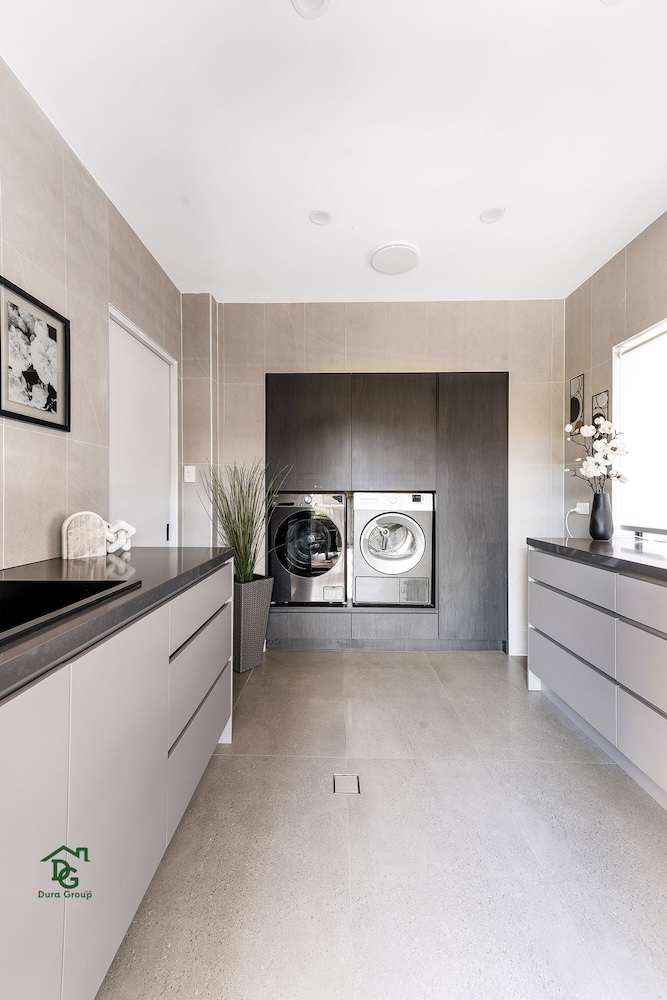
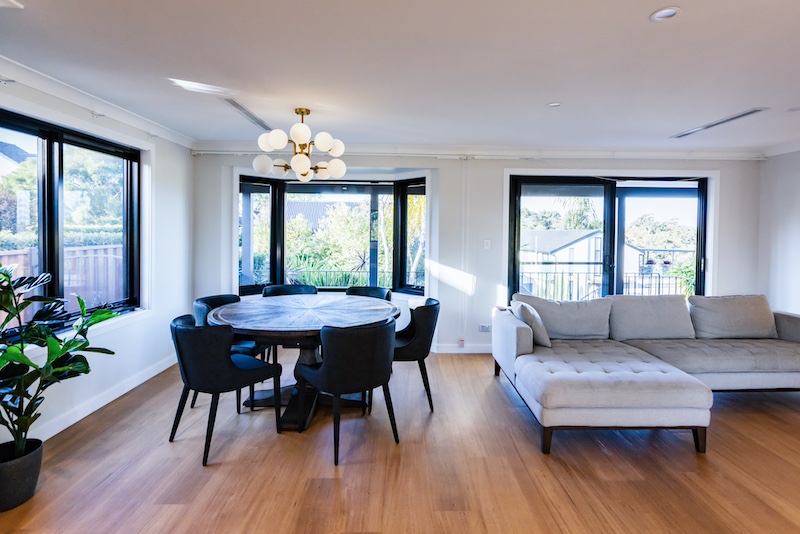
Home Builder Canterbury, Home Renovations Canterbury, Kitchen Renovations, Bathroom Renovations, Custom Builder, Granny Flat Builder, Duplex Builder, Home Reno, Laundry Renovations, Home Extensions, Second Story Extensions, Home Additions, Dura Group Building & Renovations
What does a home builder in Canterbury do?
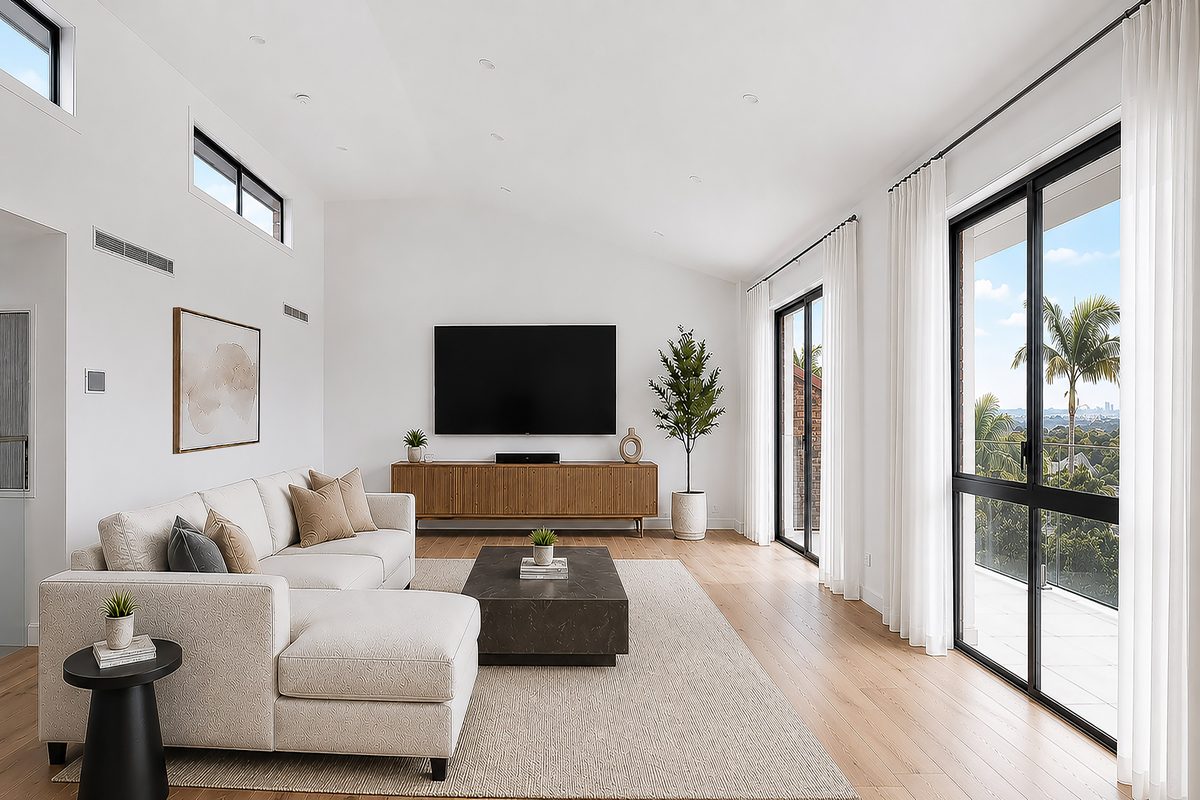
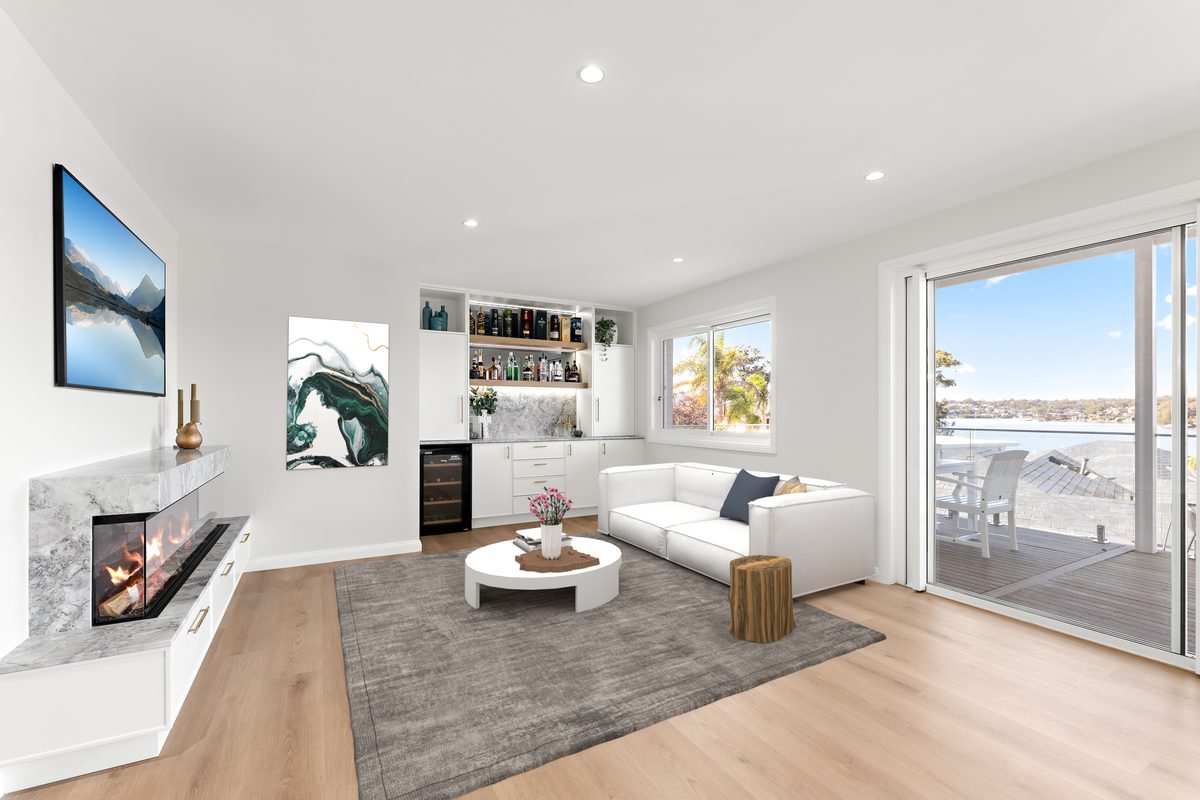
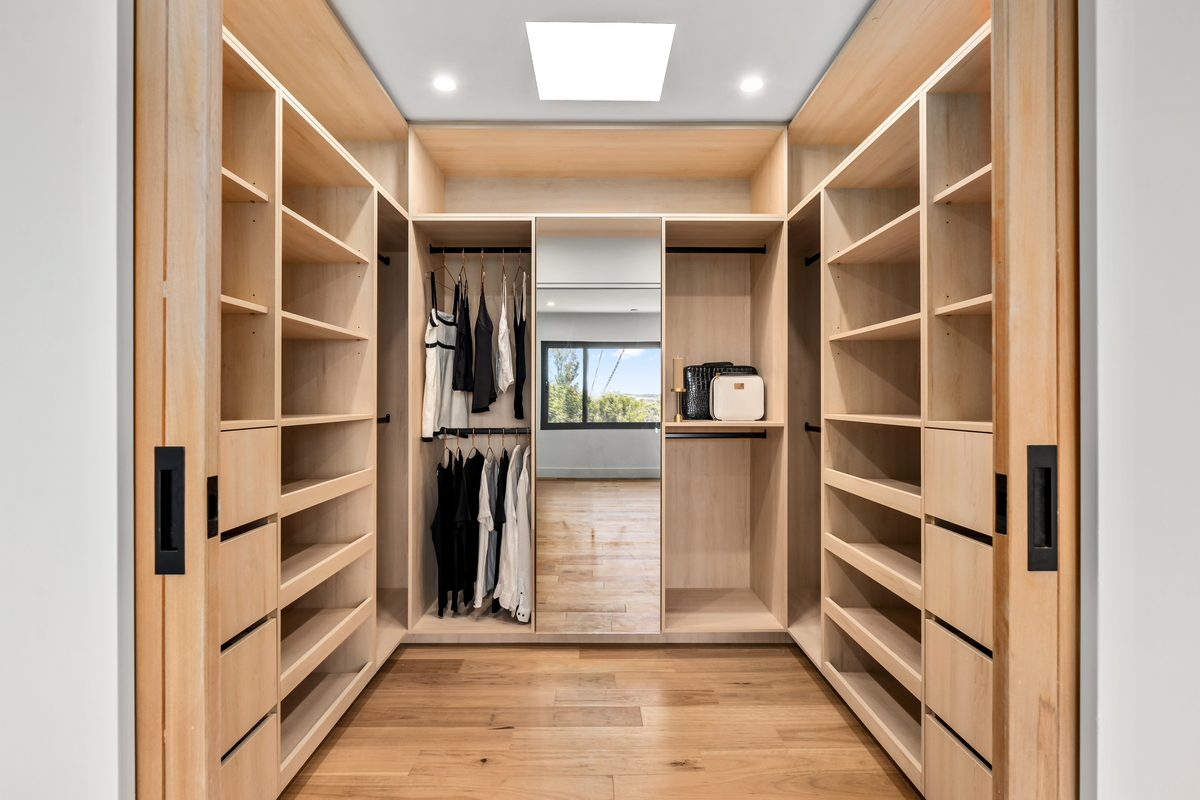
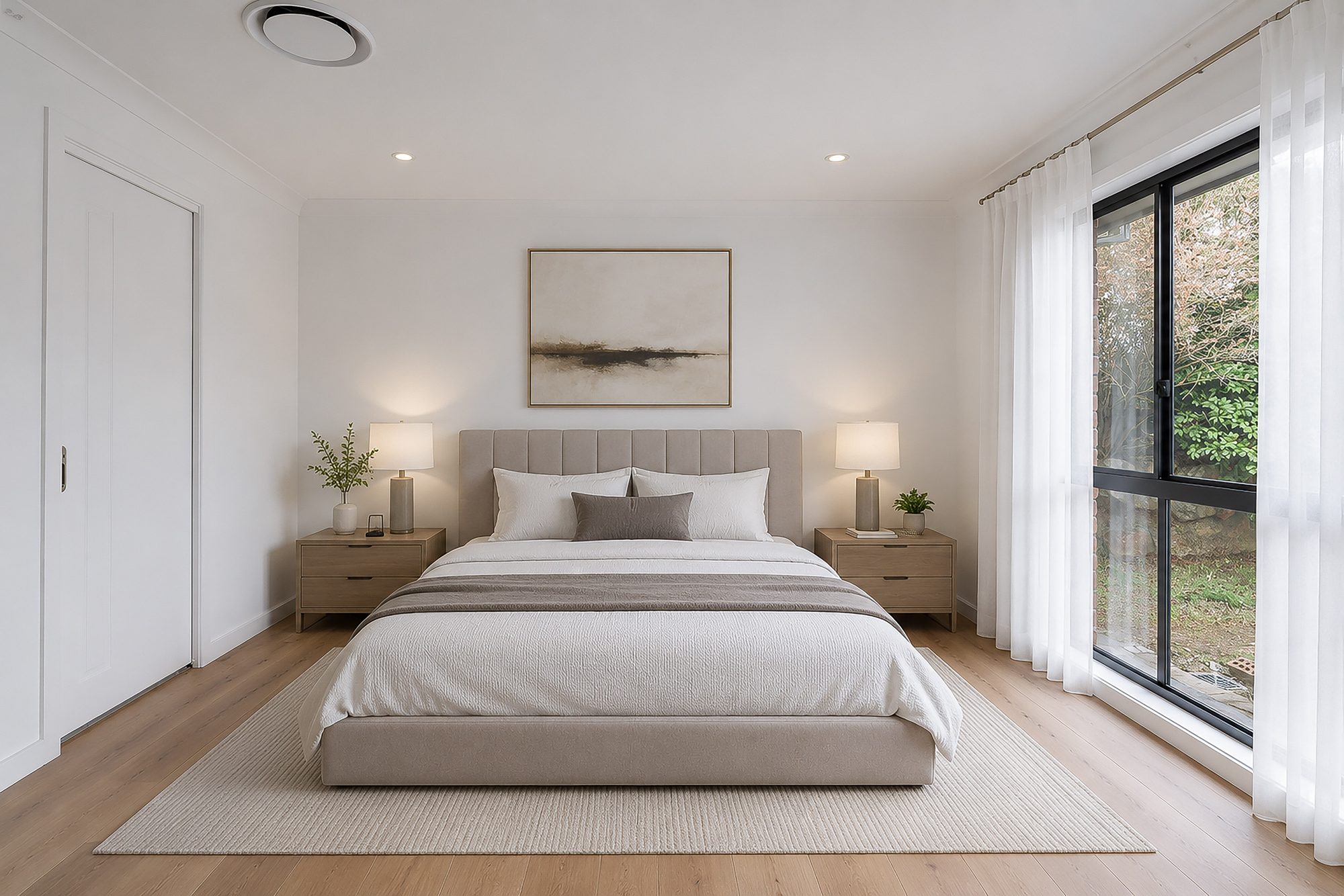
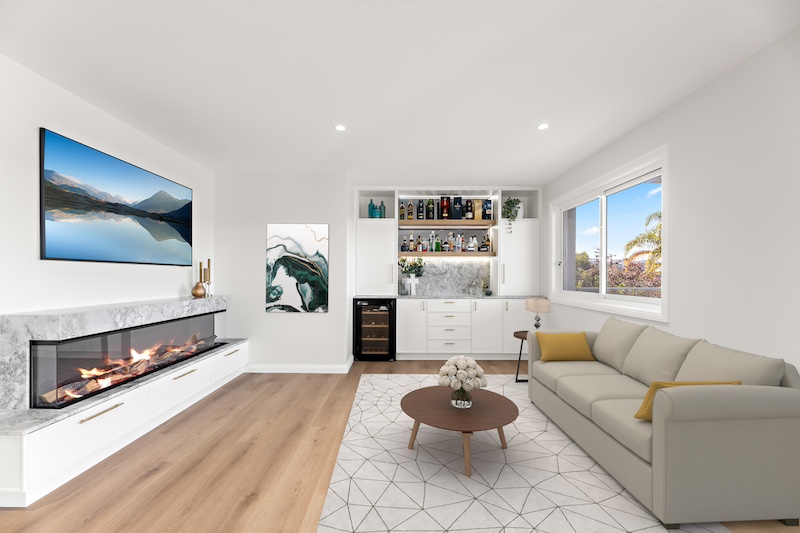
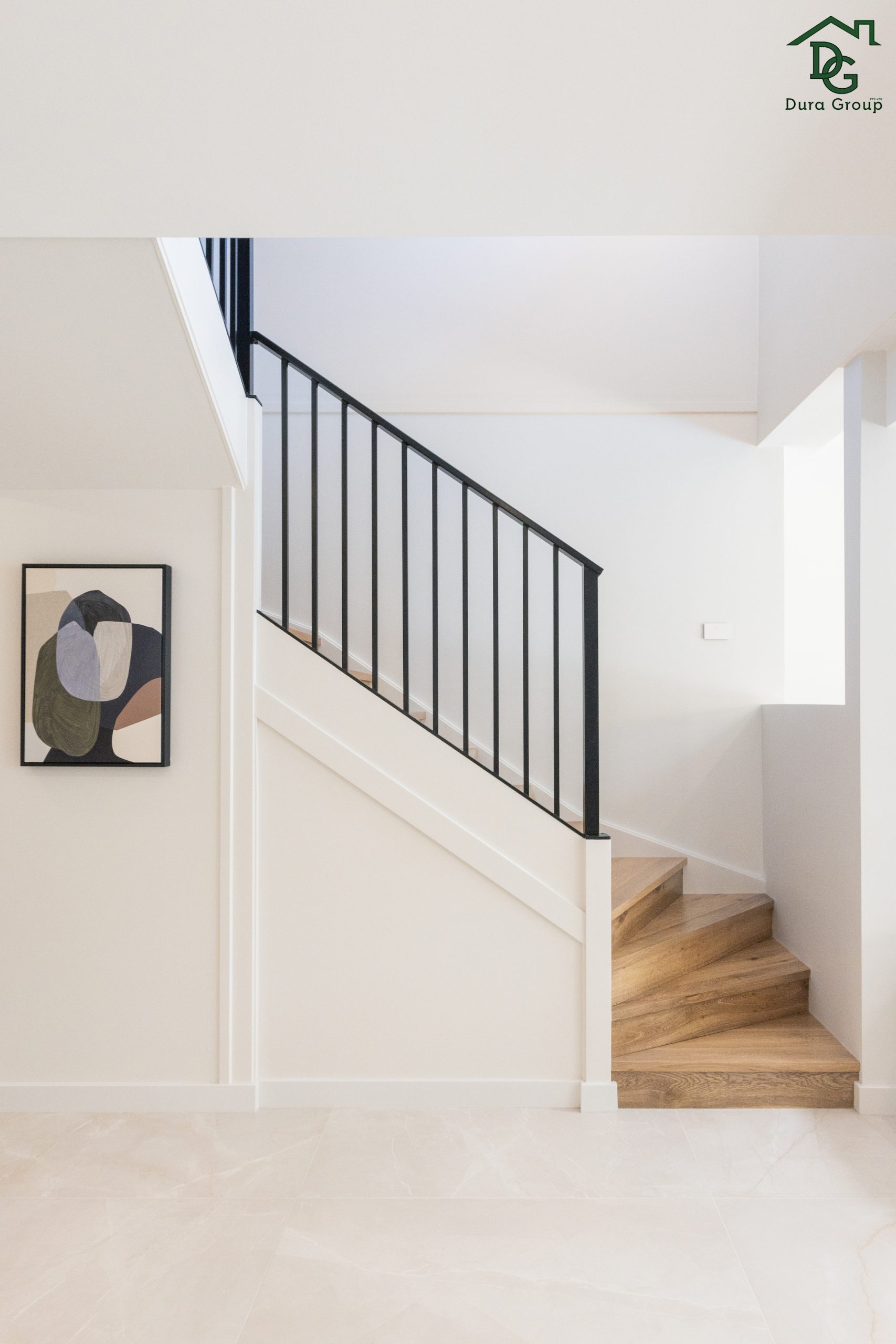
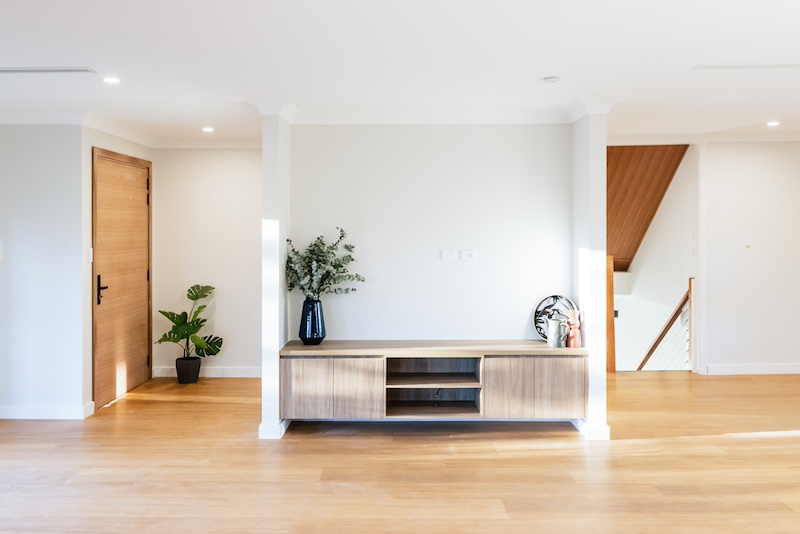
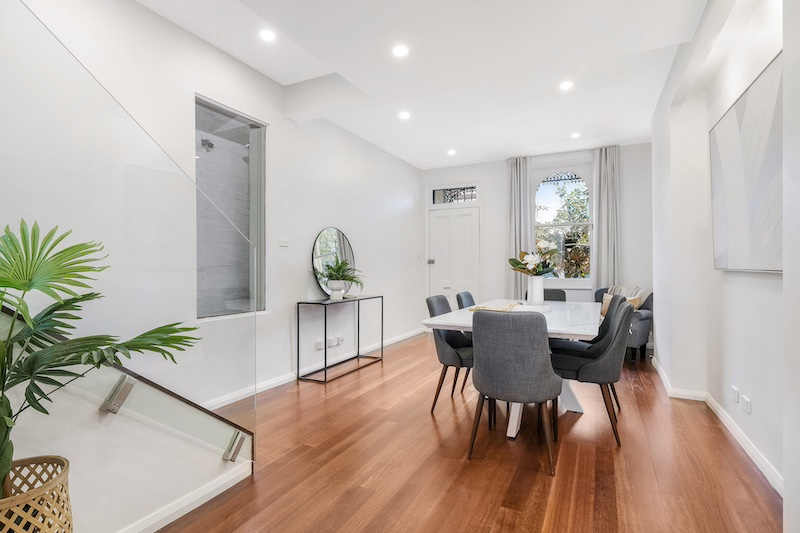
A home builder in Canterbury manages residential construction and renovation projects from initial design through to final handover. This includes new home builds, structural extensions, granny flat construction, duplex development, and full interior renovations across kitchens, bathrooms, and laundry spaces.
Canterbury is a historic suburb along the Cooks River with strong community identity, located approximately 12 kilometres from the Sydney CBD in the local government area of Canterbury-Bankstown Council. Canterbury sits on the banks of the Cooks River, with Canterbury Park Racecourse and the Cooks River cycleway.
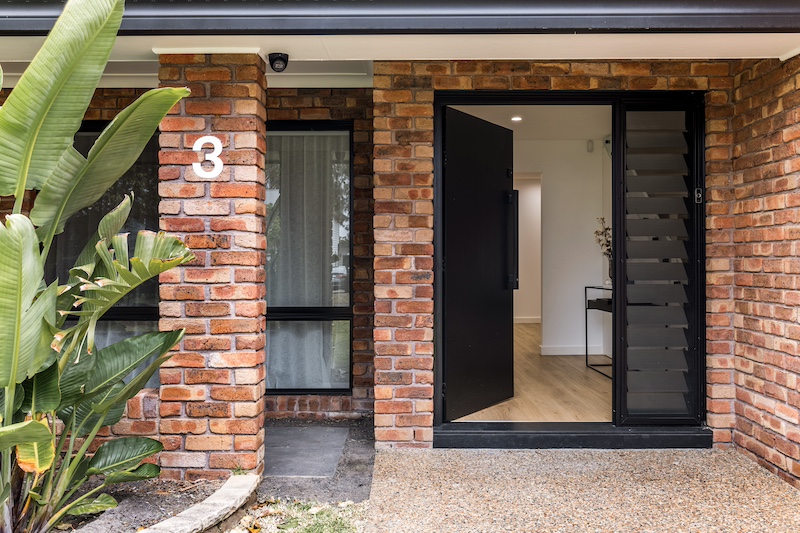
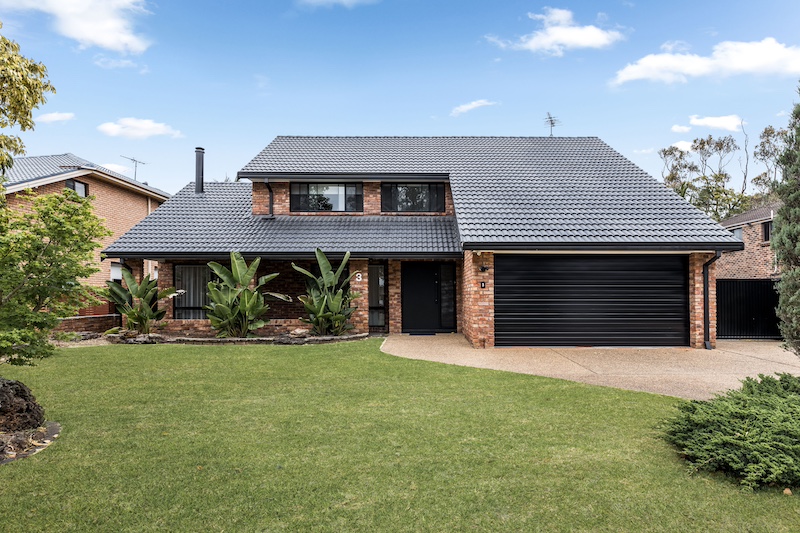
Homes in Canterbury include Federation homes, California bungalows, and post-war brick cottages near Canterbury railway station. Dura Group holds all required licences under the NSW Home Building Act 1989. Every project in Canterbury goes through Canterbury-Bankstown Council for DA or CDC approval. Mark and the team handle this entire process, from drafting compliant plans to liaising with council assessors and coordinating BASIX certificates.
Why do Canterbury homeowners choose Dura Group for renovations?
Canterbury homeowners choose Dura Group for fixed-price contracts, transparent material selection, and 25 years of building experience across Sydney. There are no hidden costs, no builder markups on fixtures, and no surprises at handover.
Canterbury-Bankstown Council manages all development applications for Canterbury. Mark personally oversees every Canterbury project. You receive direct communication from the person making decisions on your build, not a project coordinator relaying messages.
What renovation services are available in Canterbury?
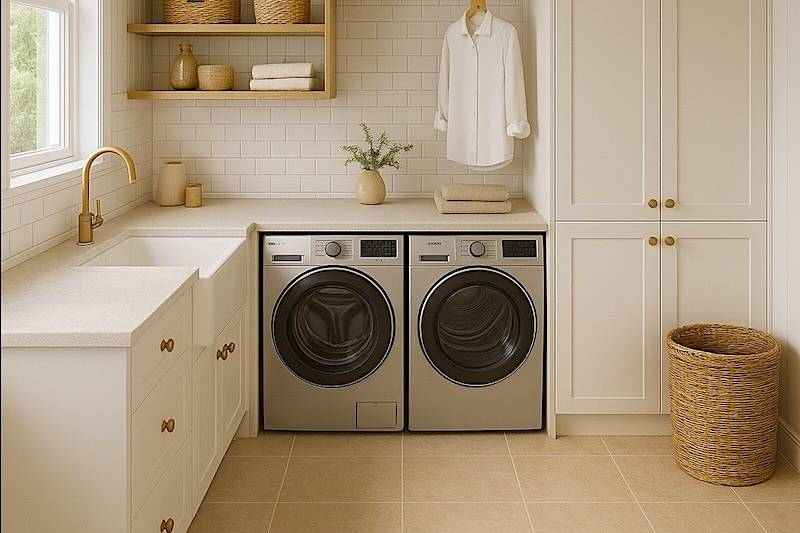
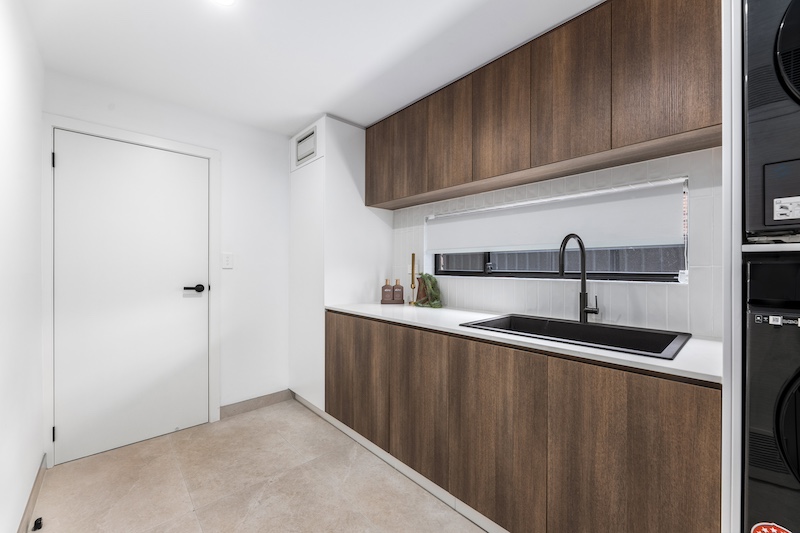
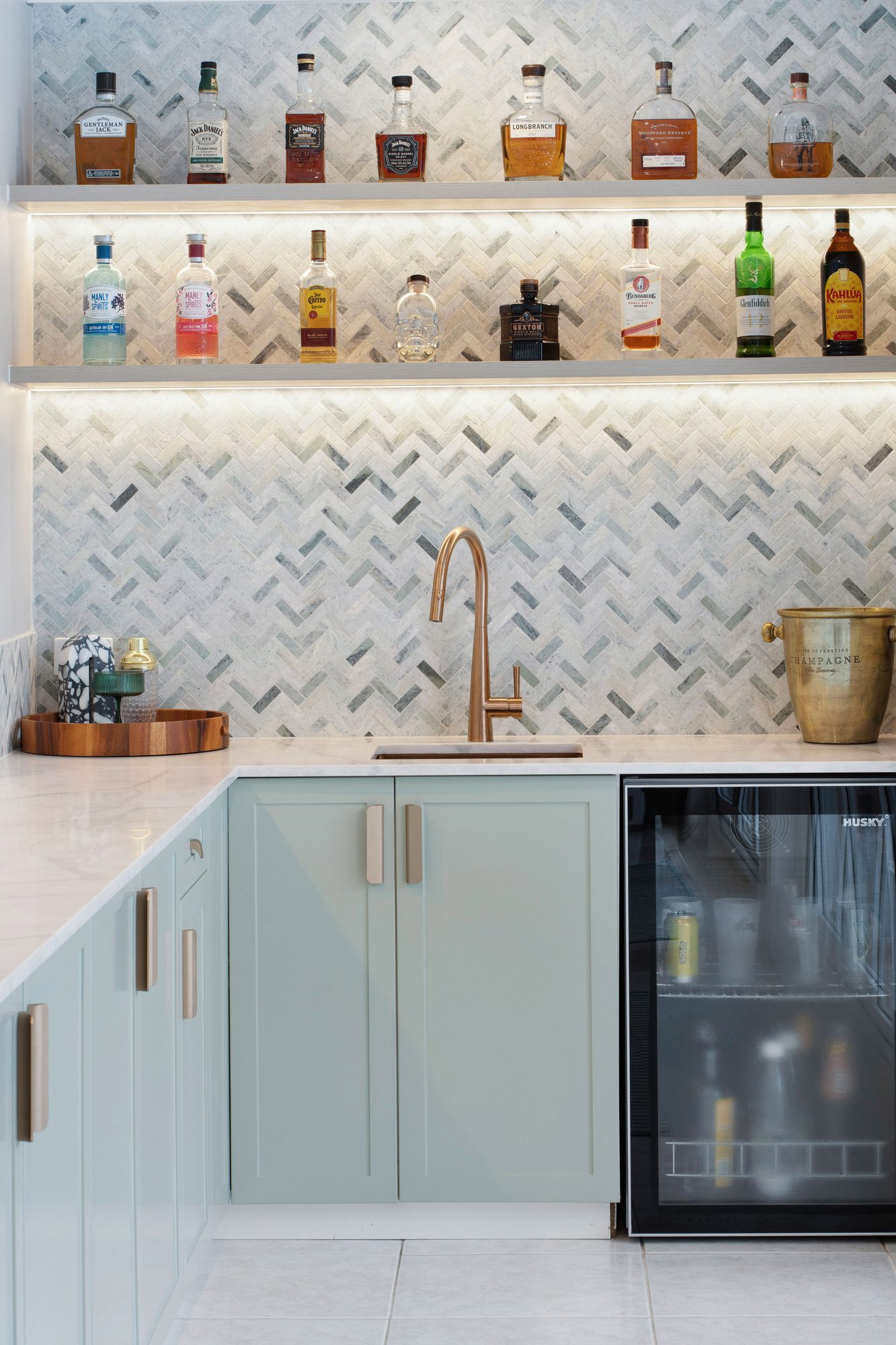
Dura Group delivers 6 core renovation services in Canterbury: kitchen renovations, bathroom renovations, laundry renovations, ground floor extensions, upper storey additions, and granny flat or duplex construction.
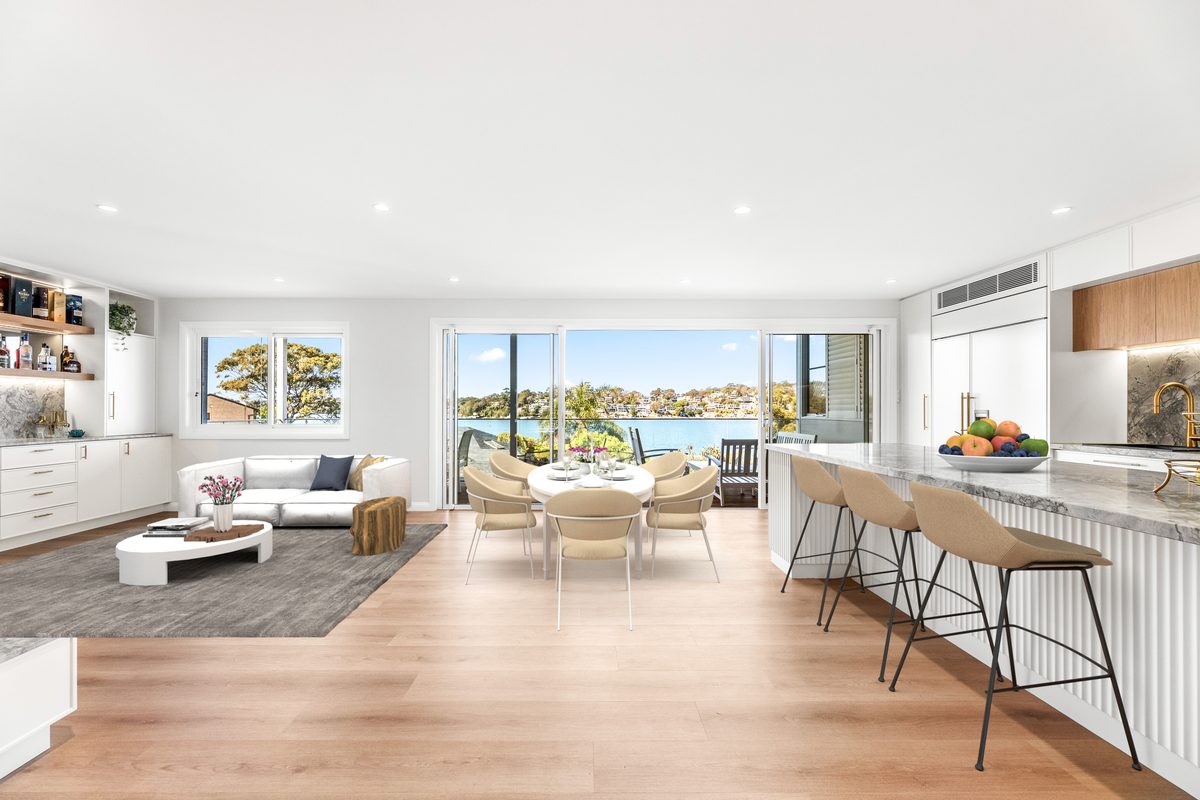
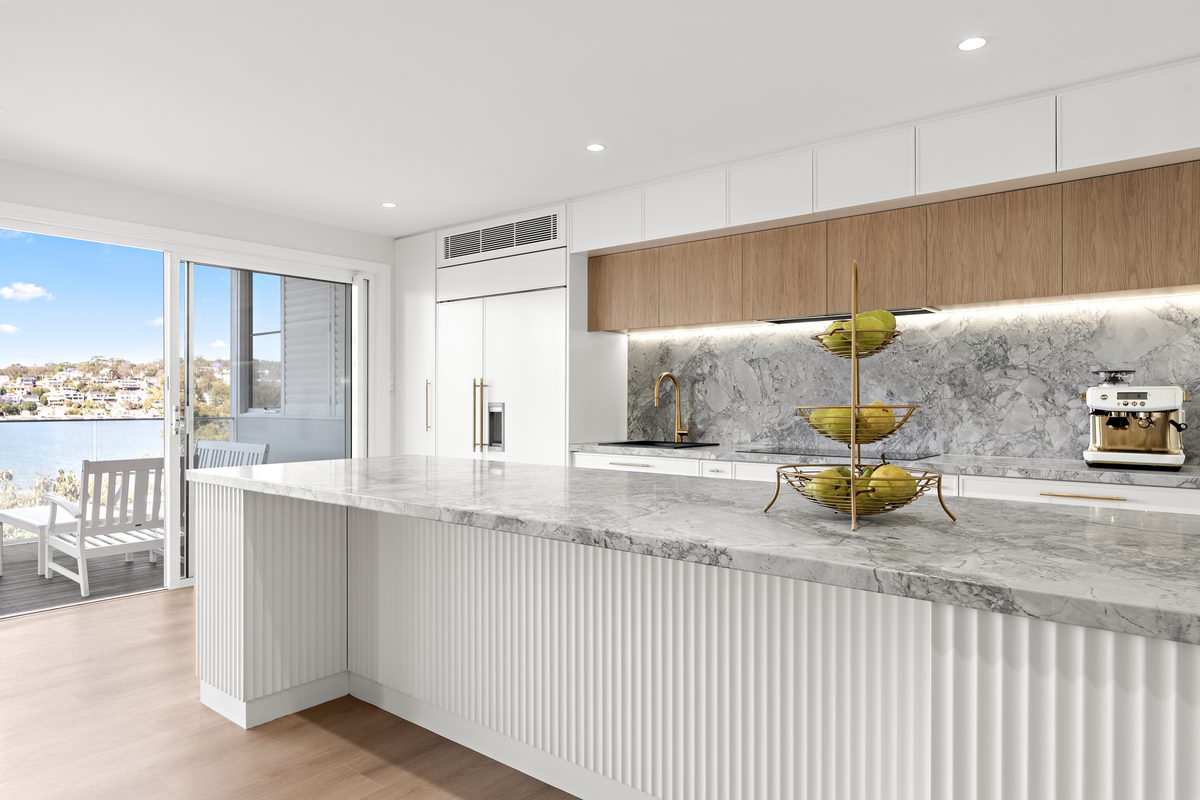
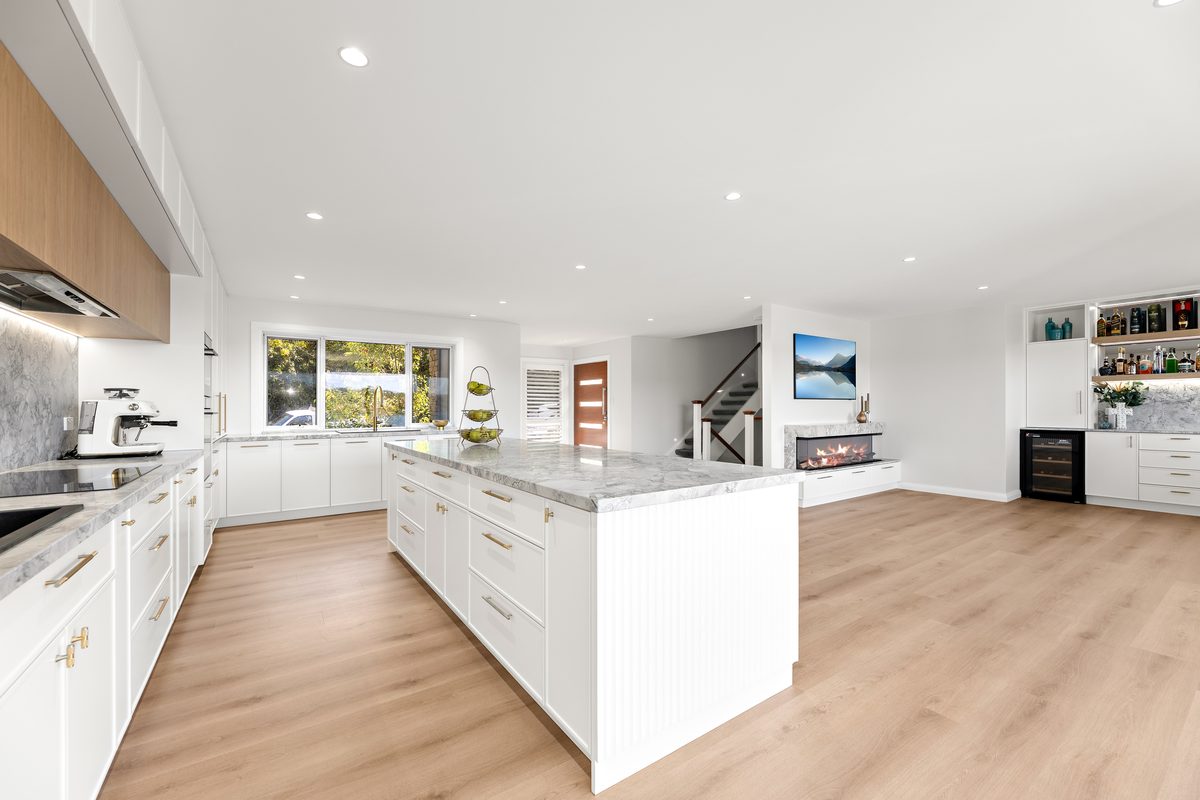
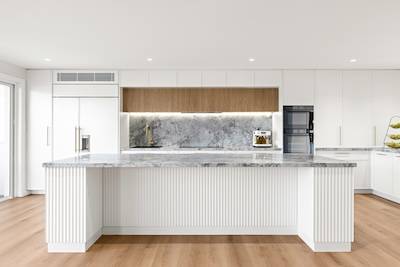
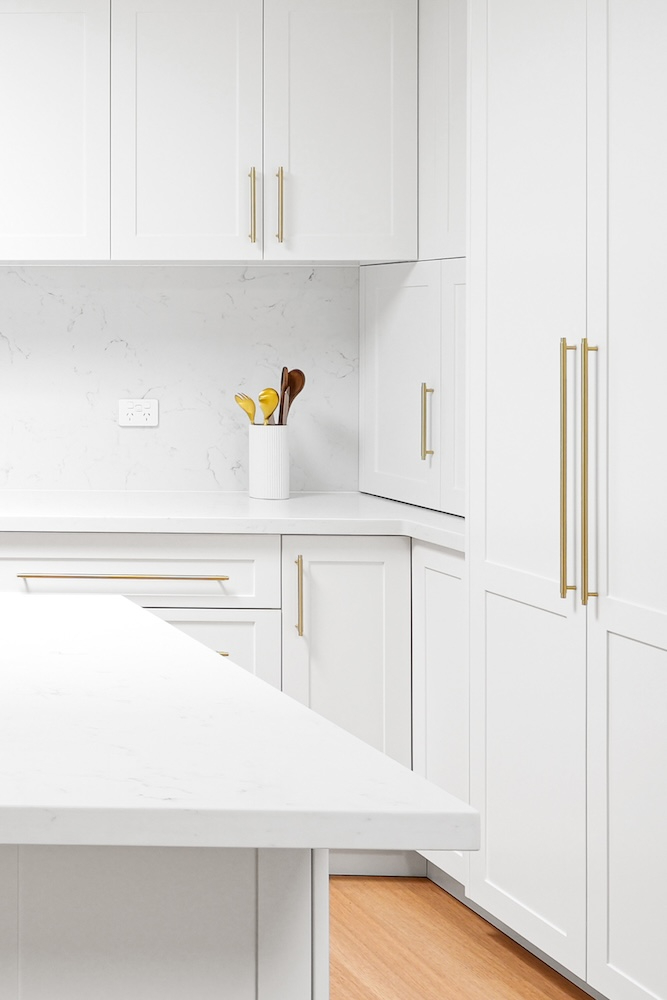
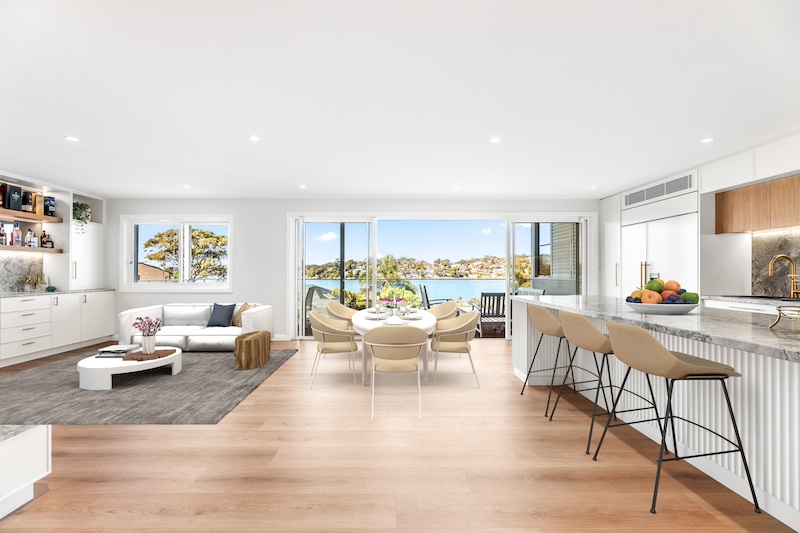
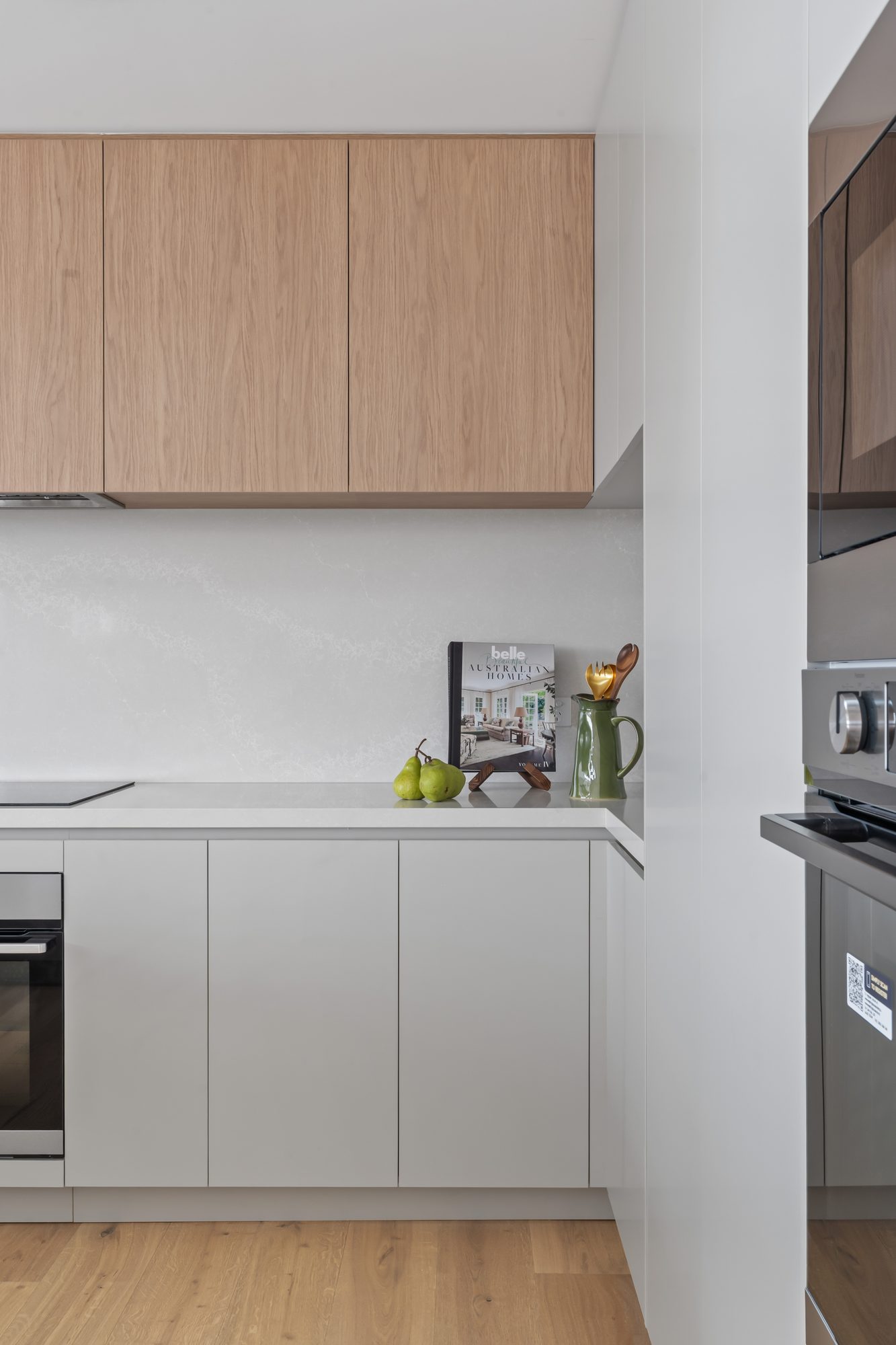
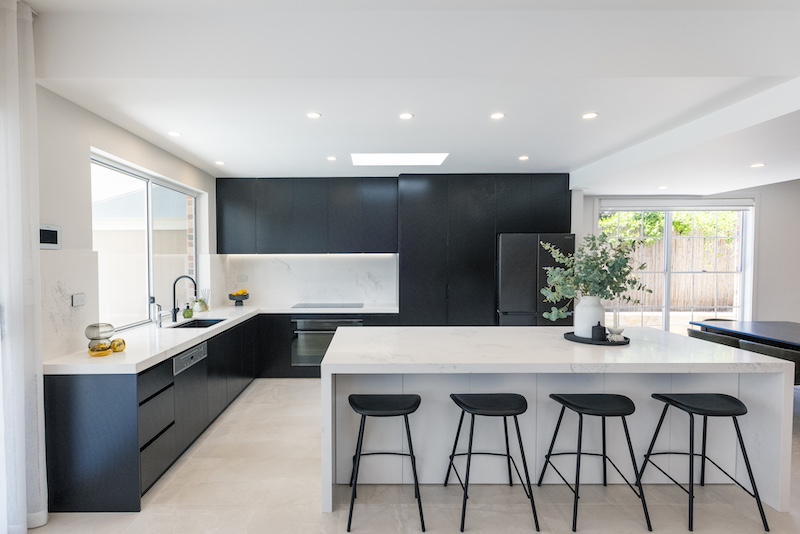
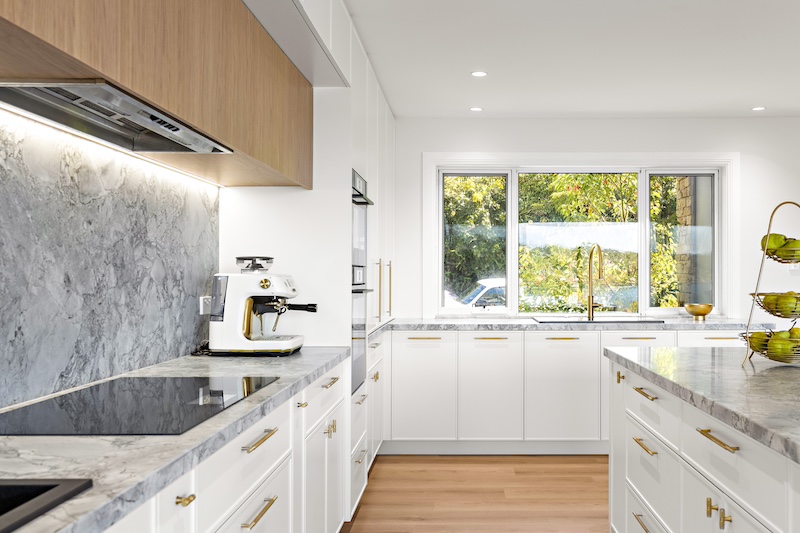
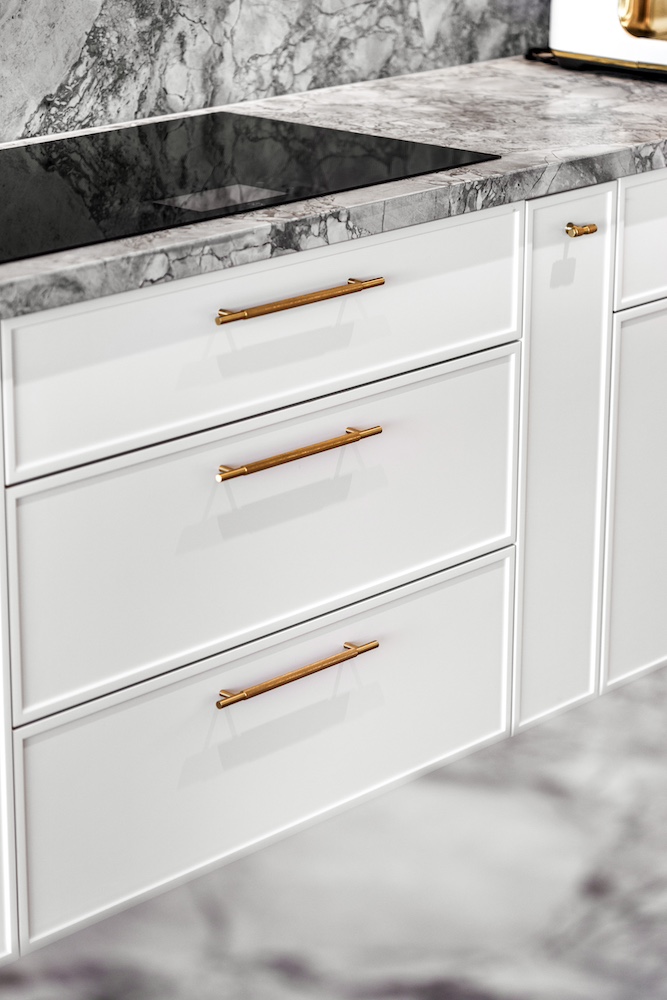
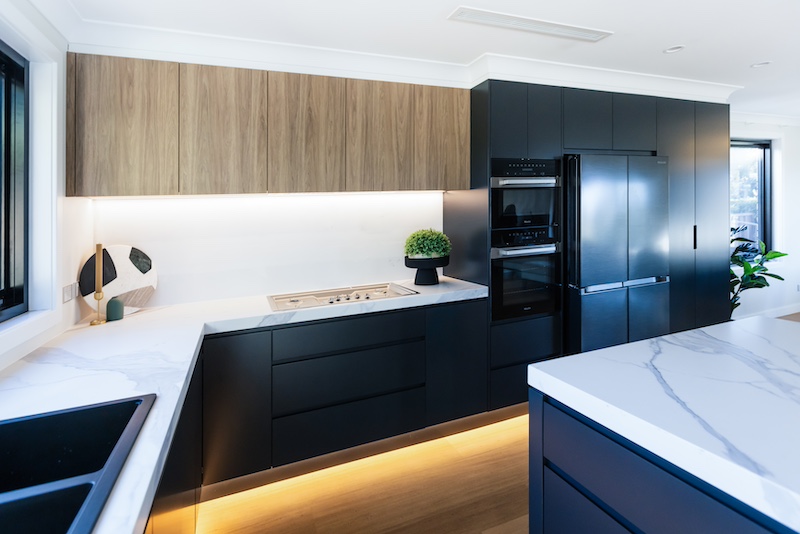
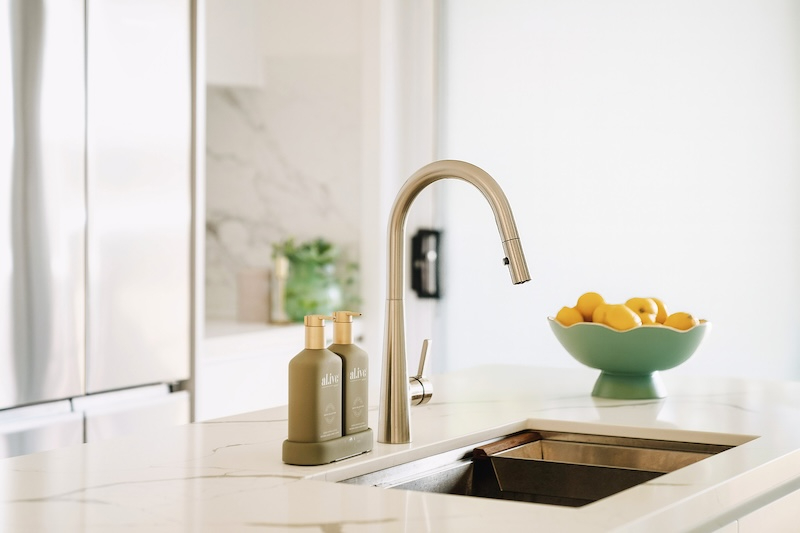
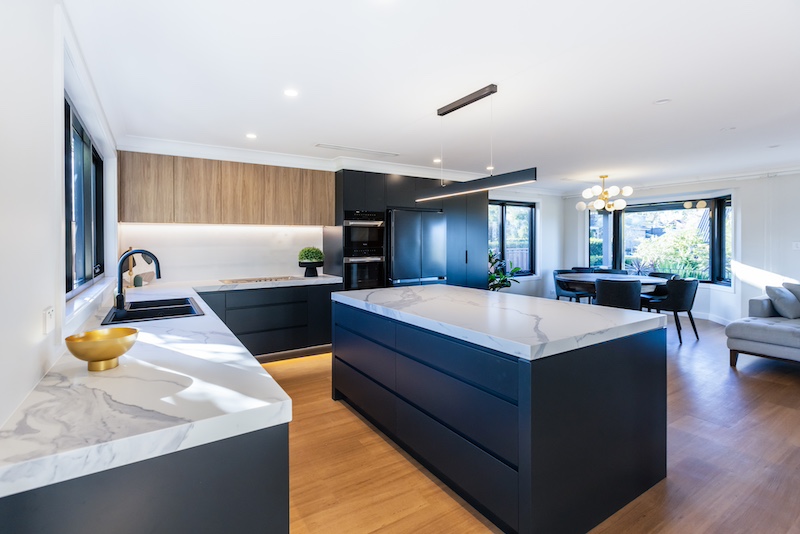
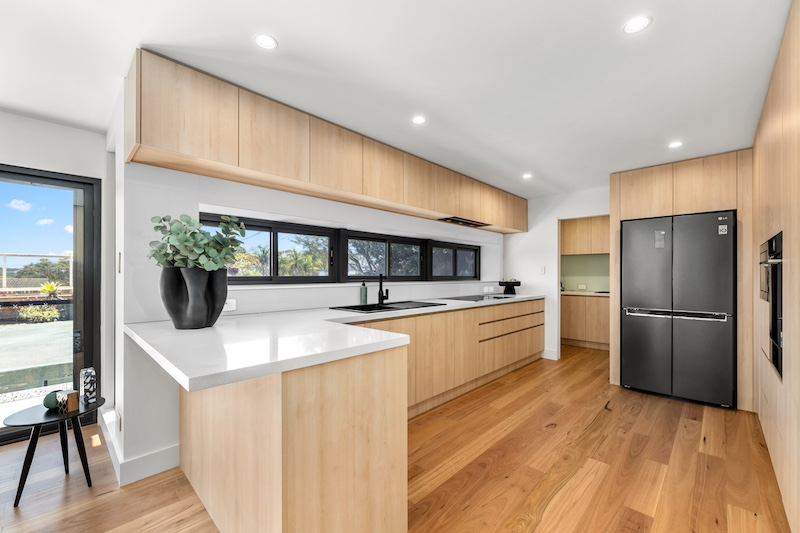
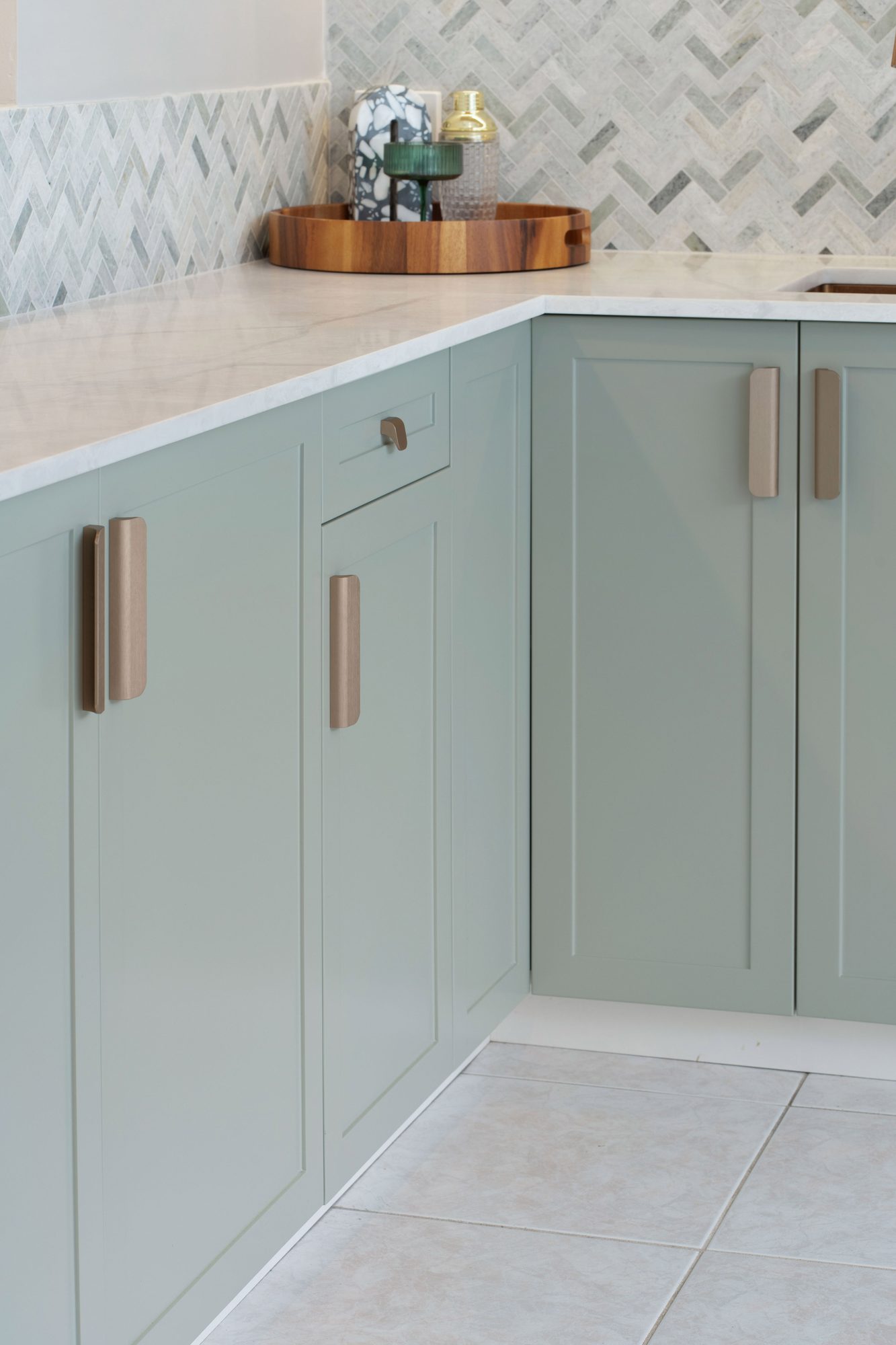
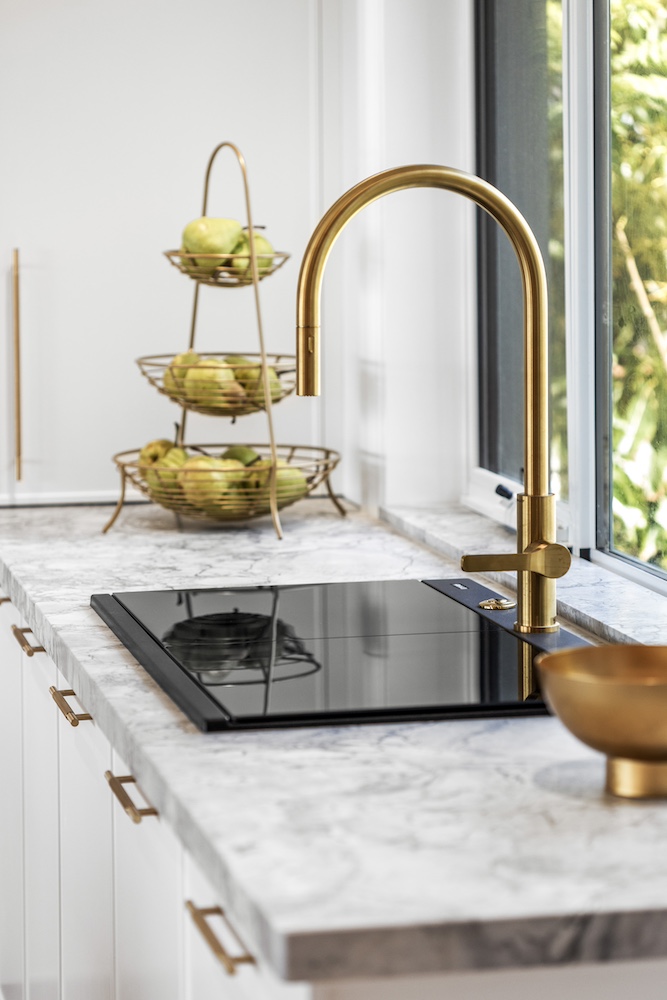
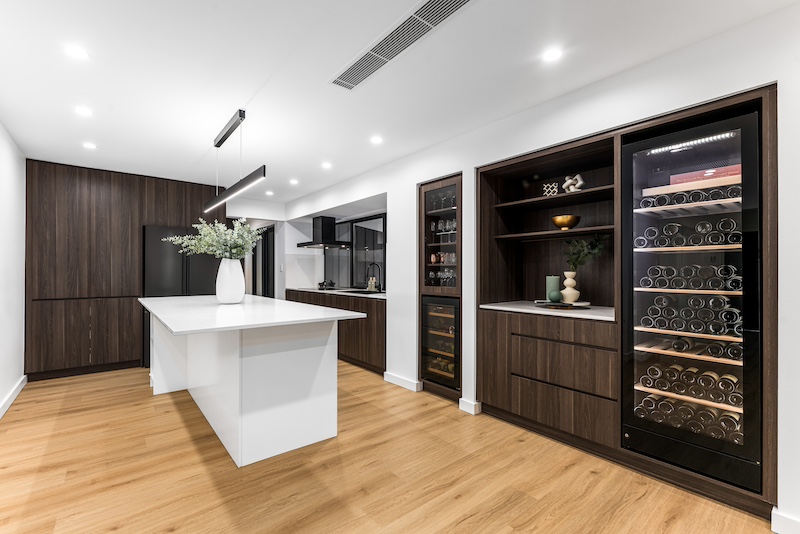
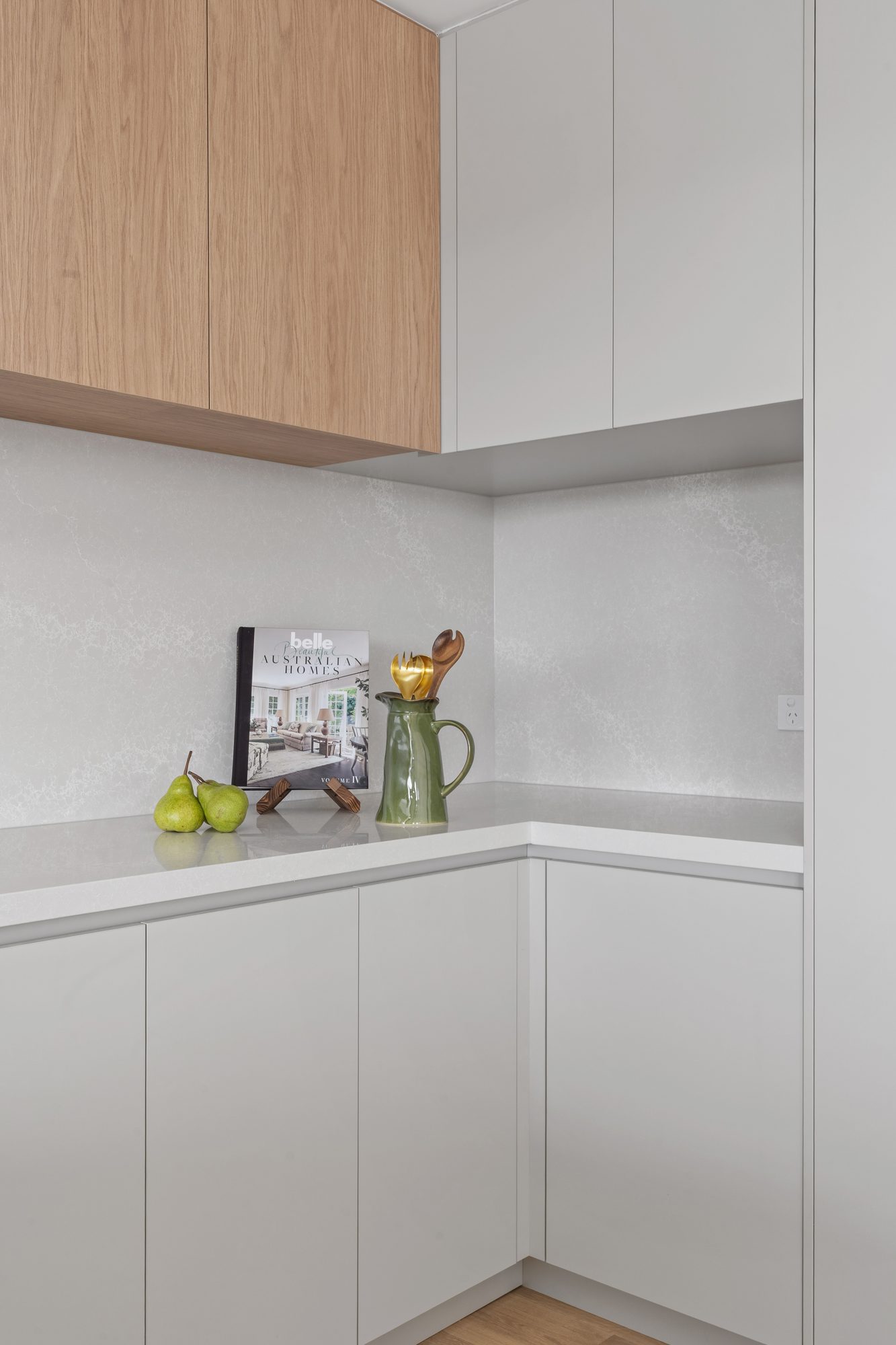
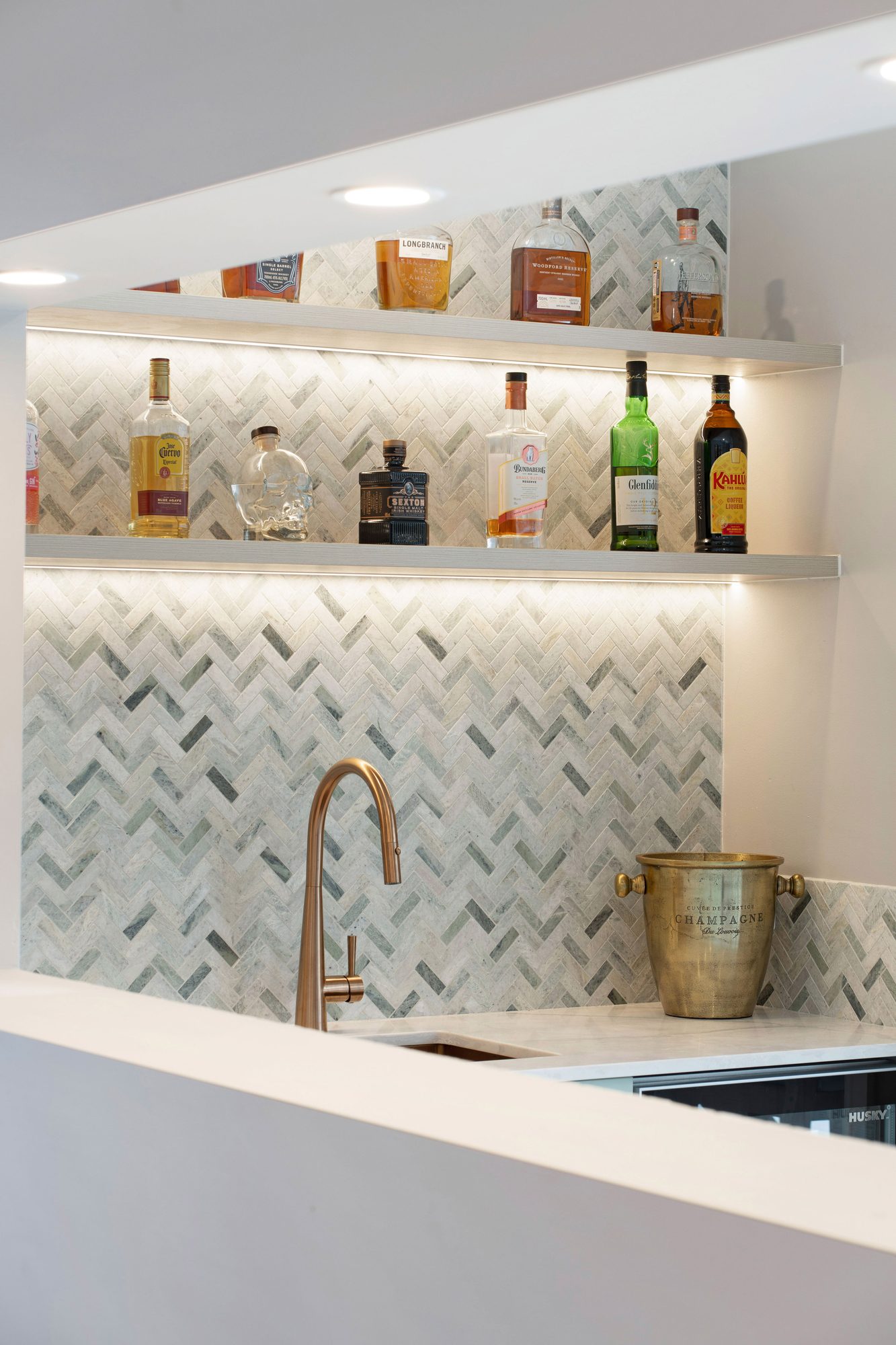
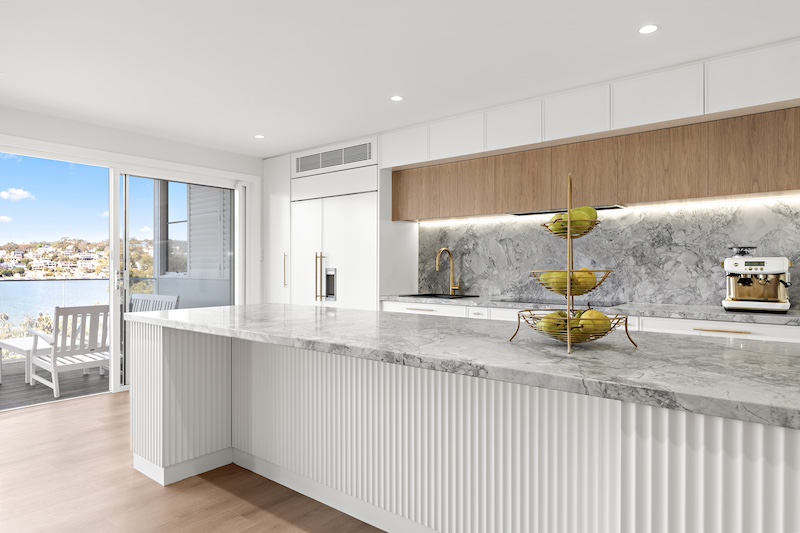
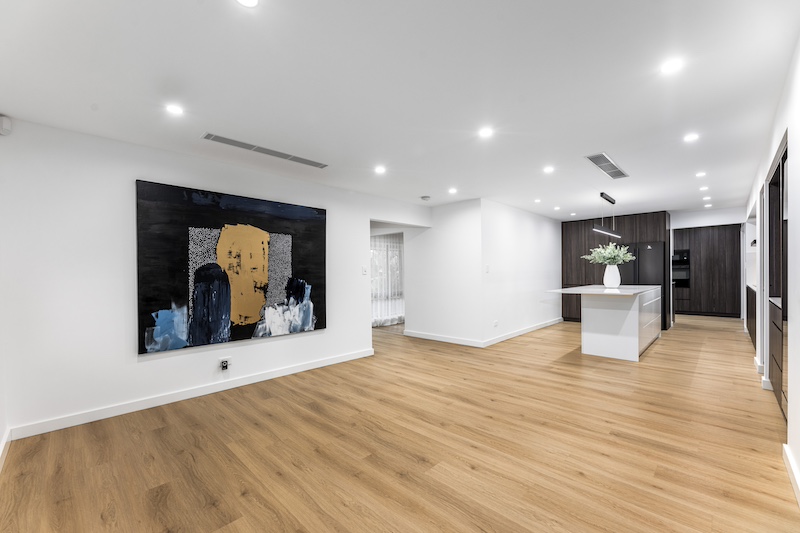
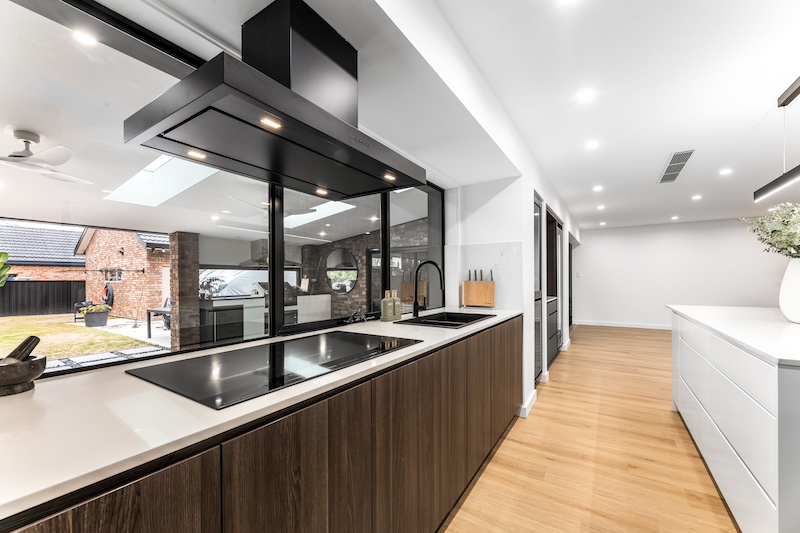
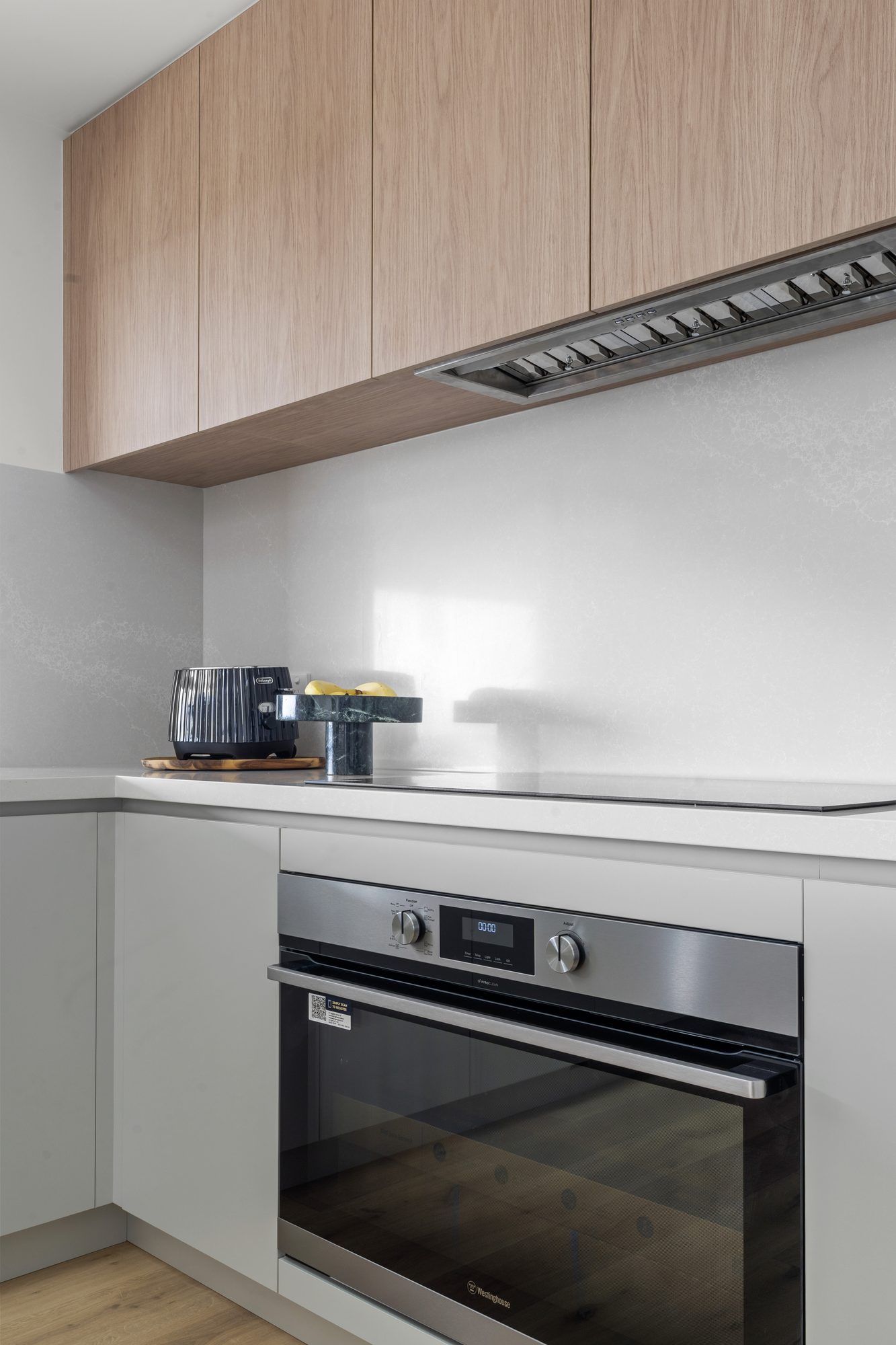
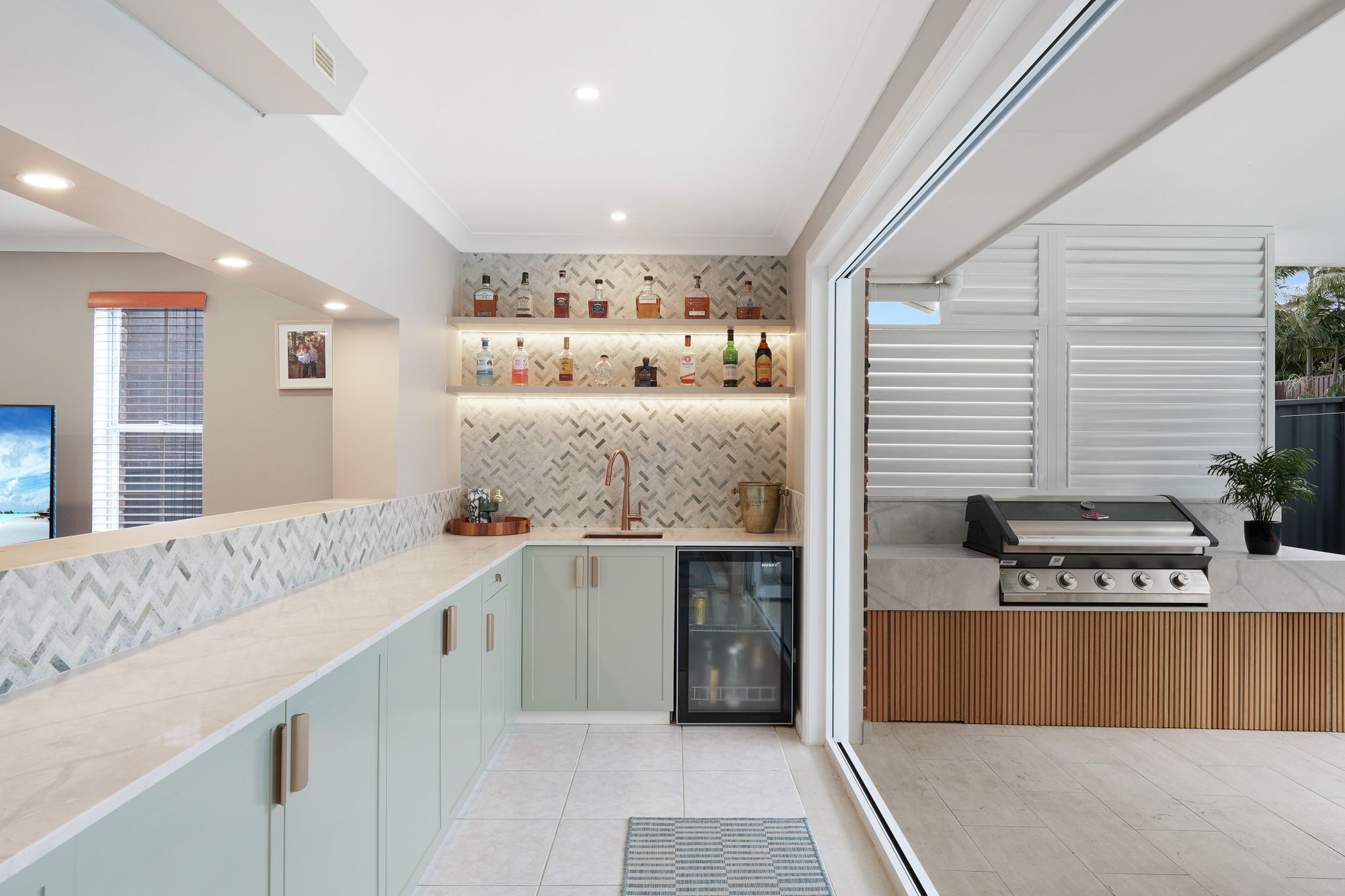
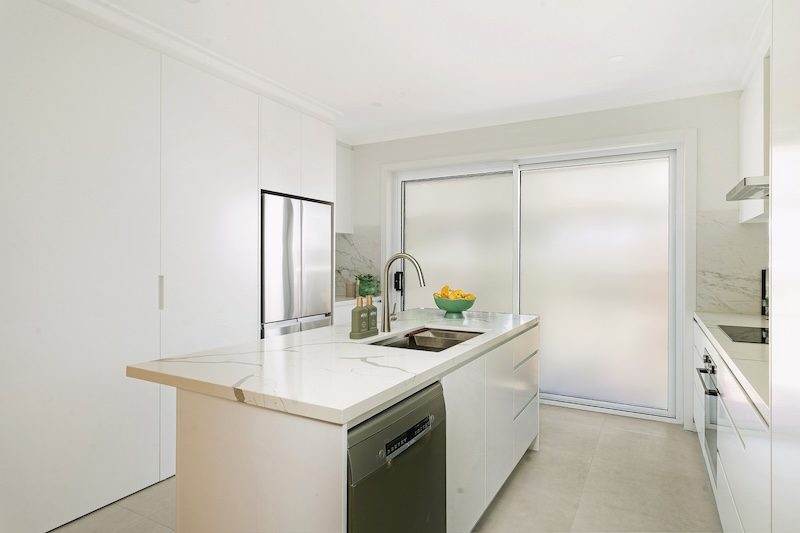
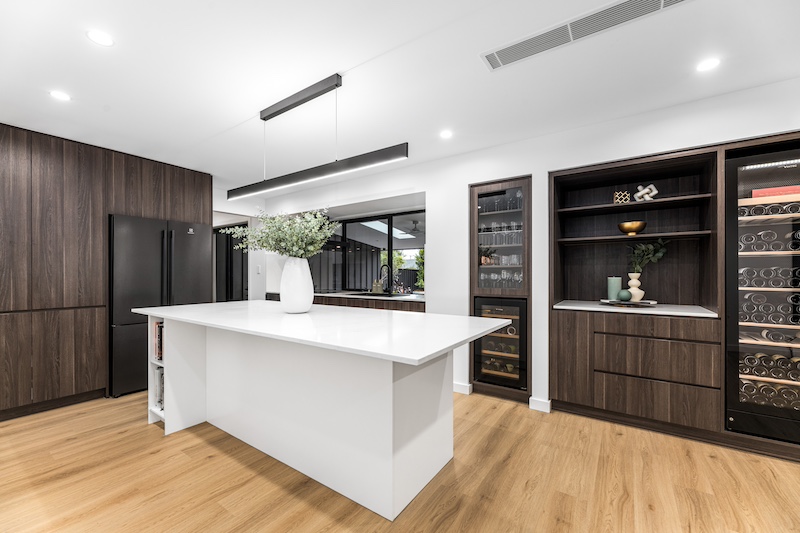
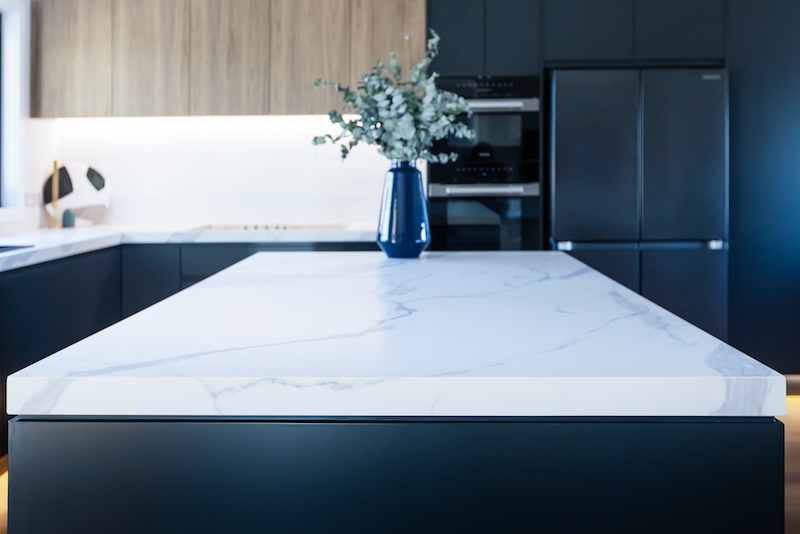
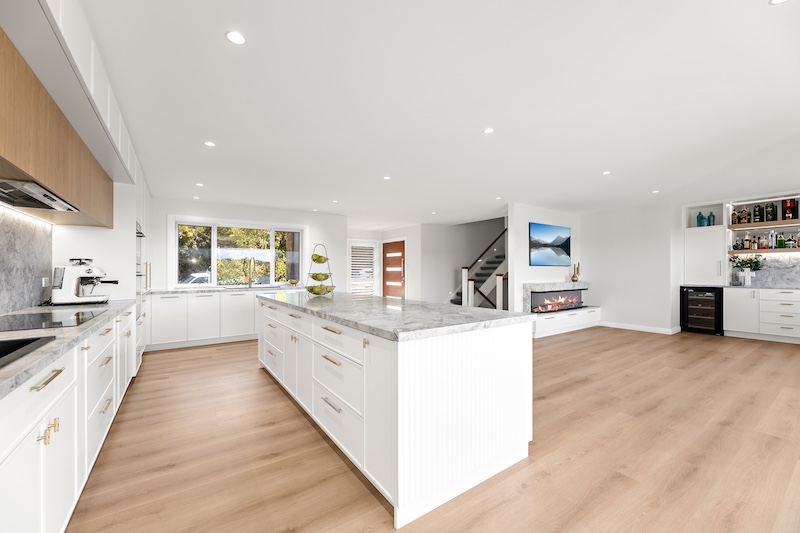
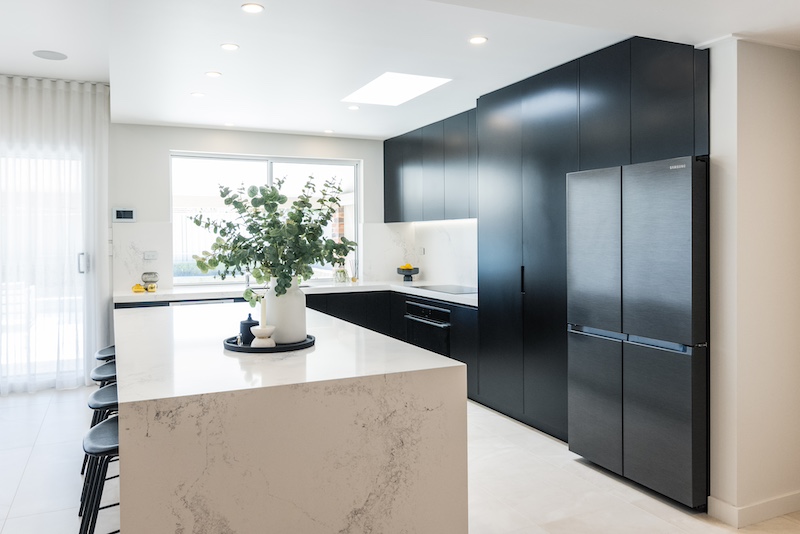
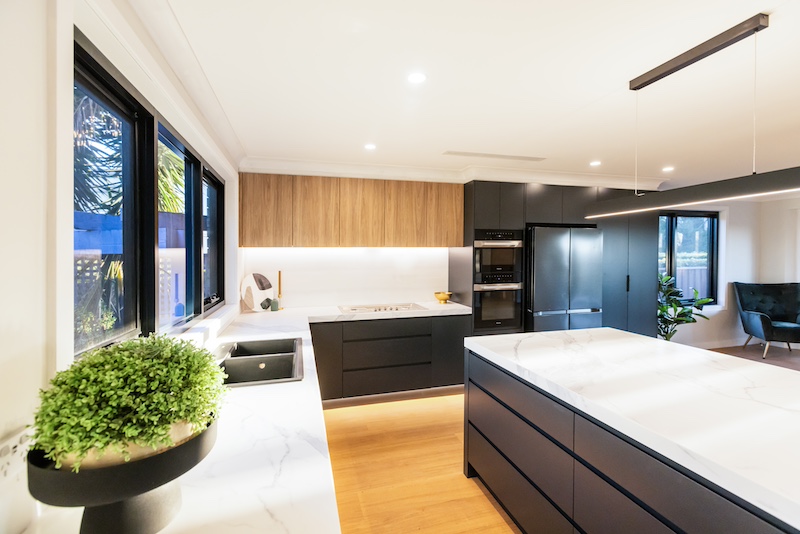
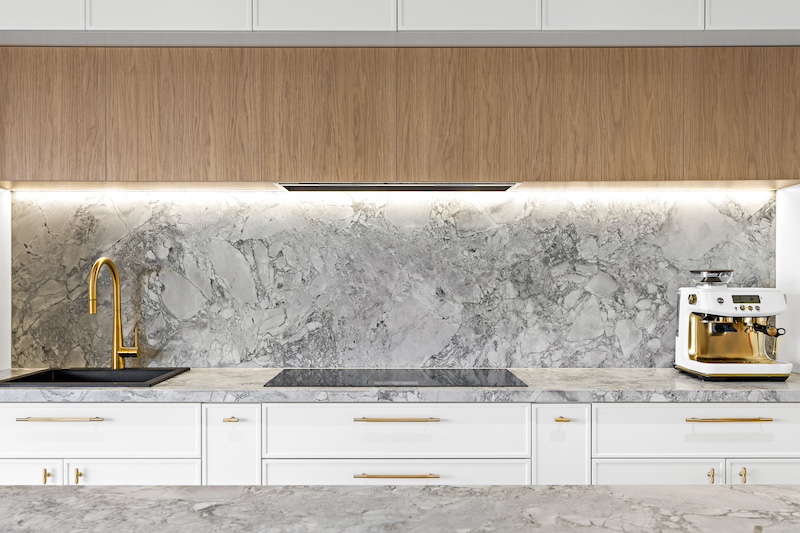
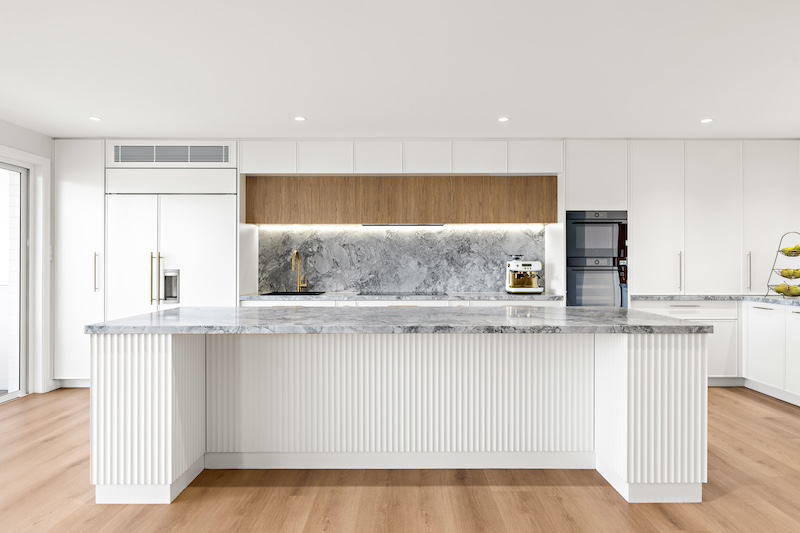
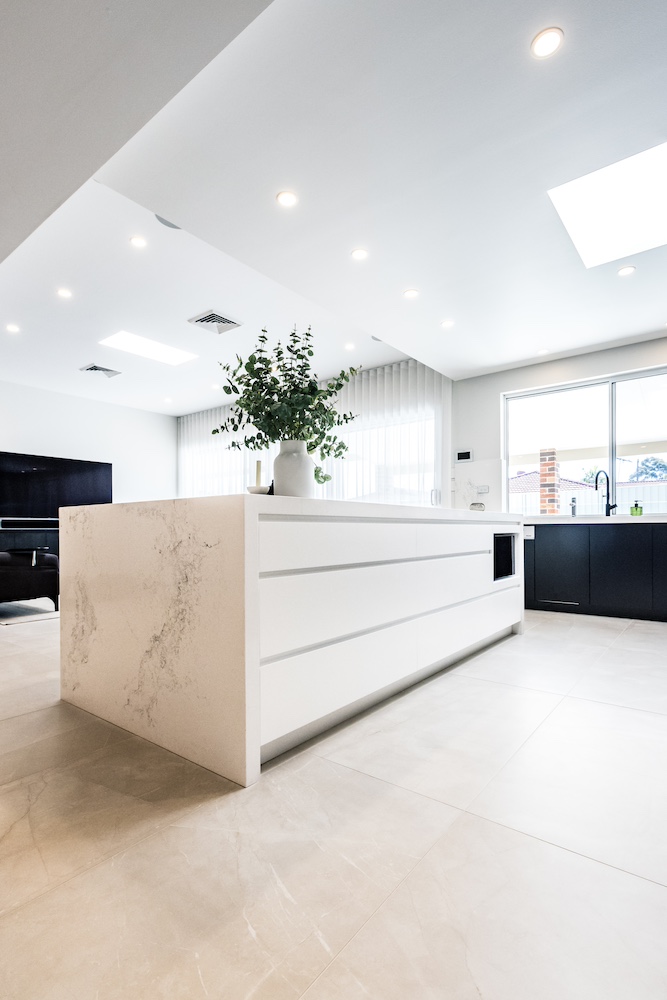
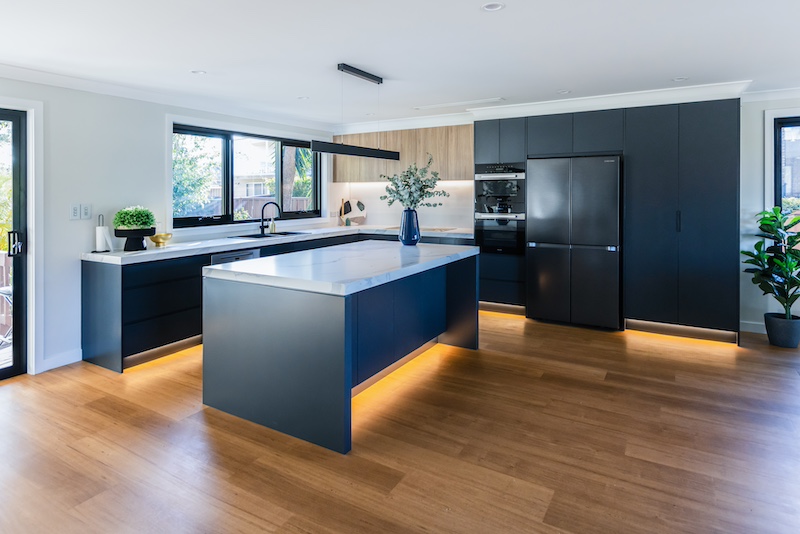
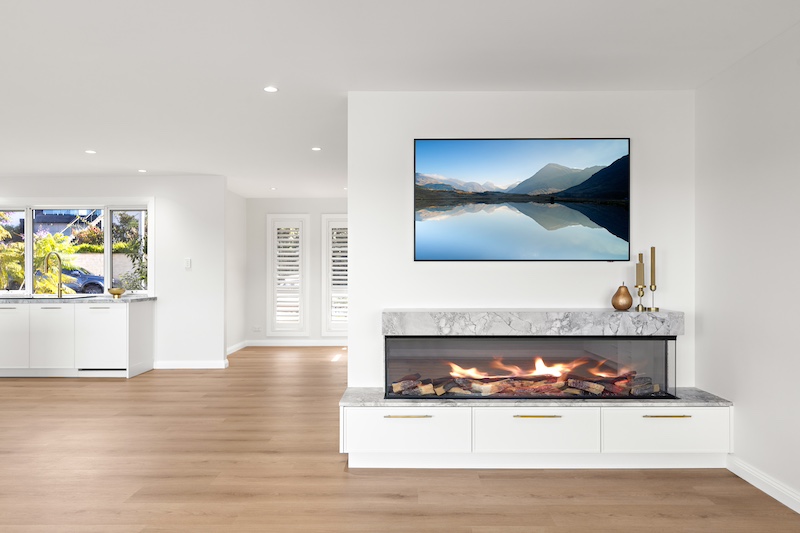
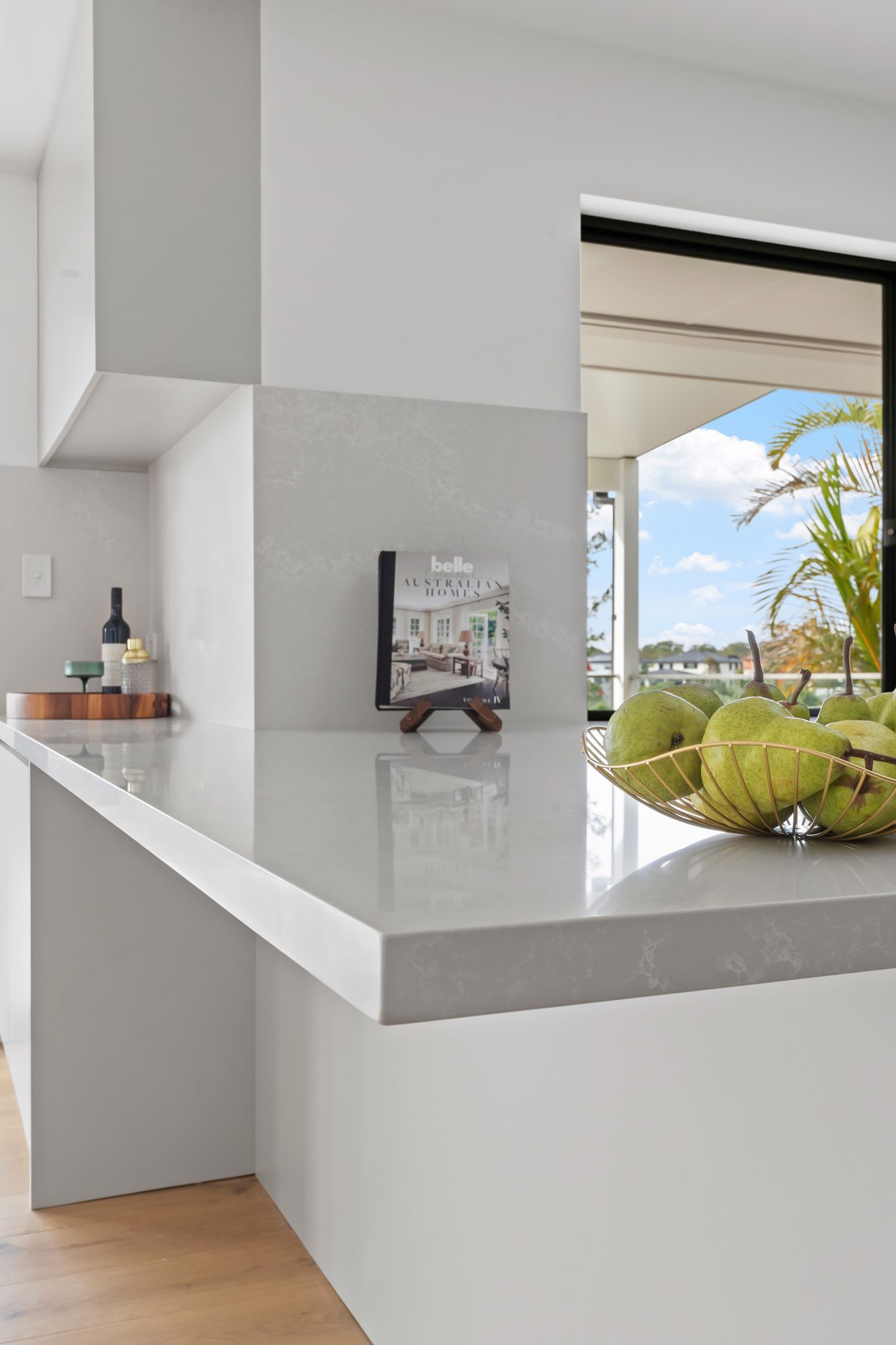
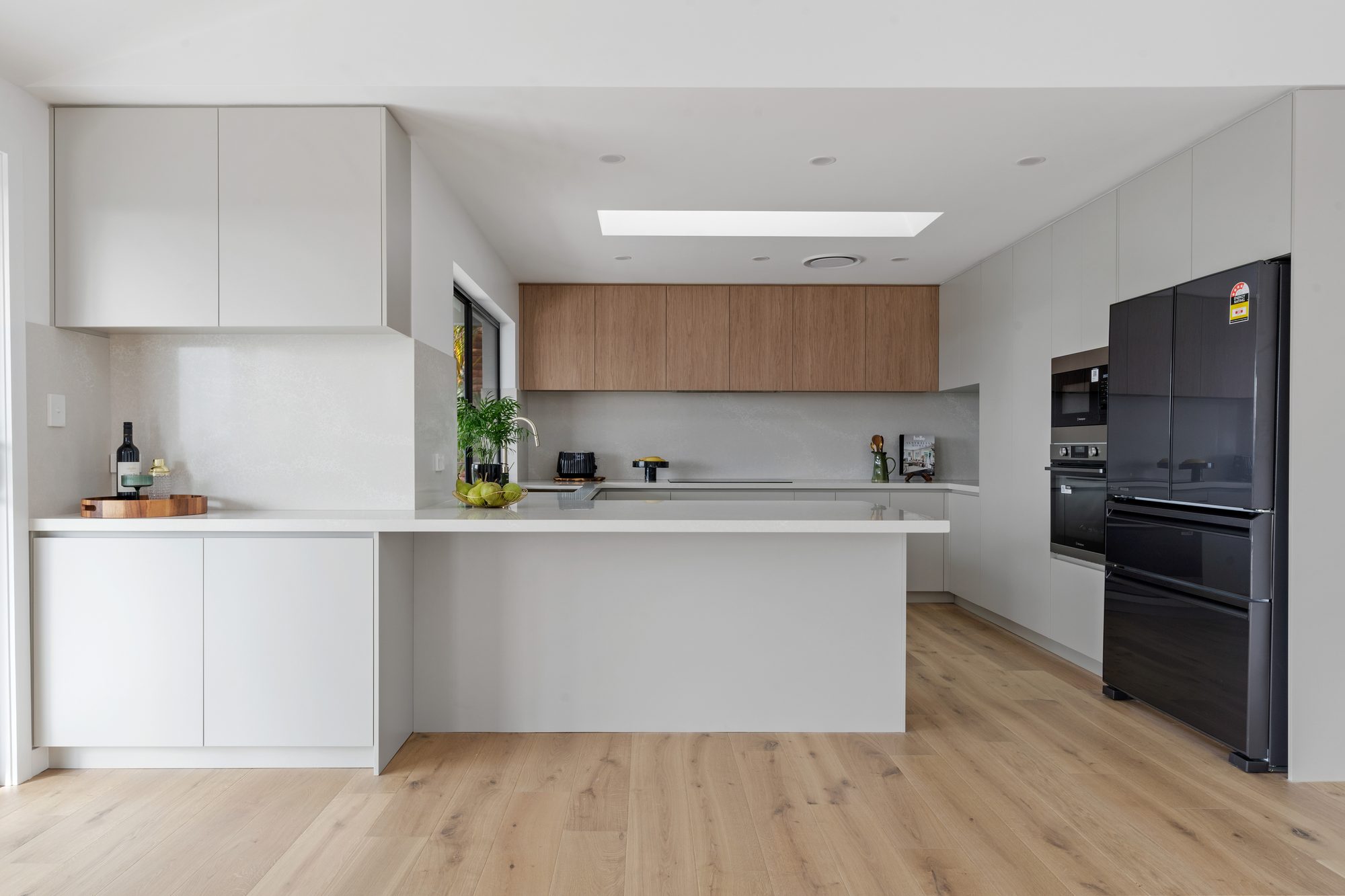
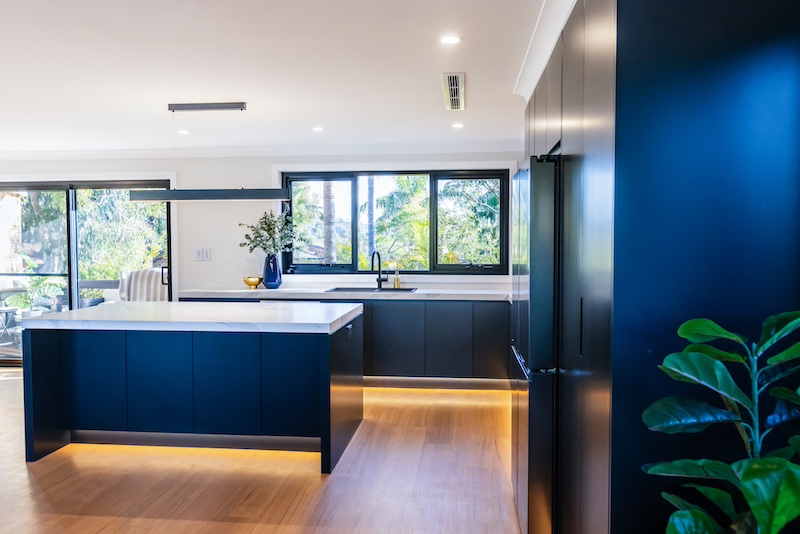
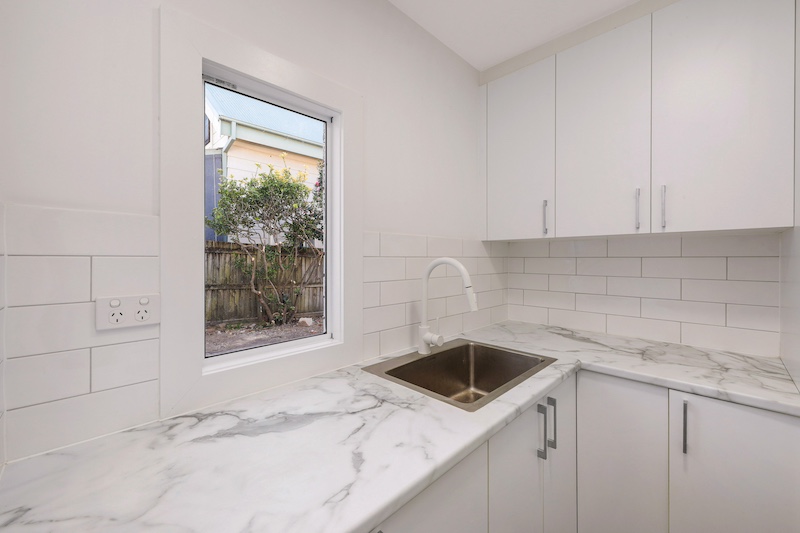
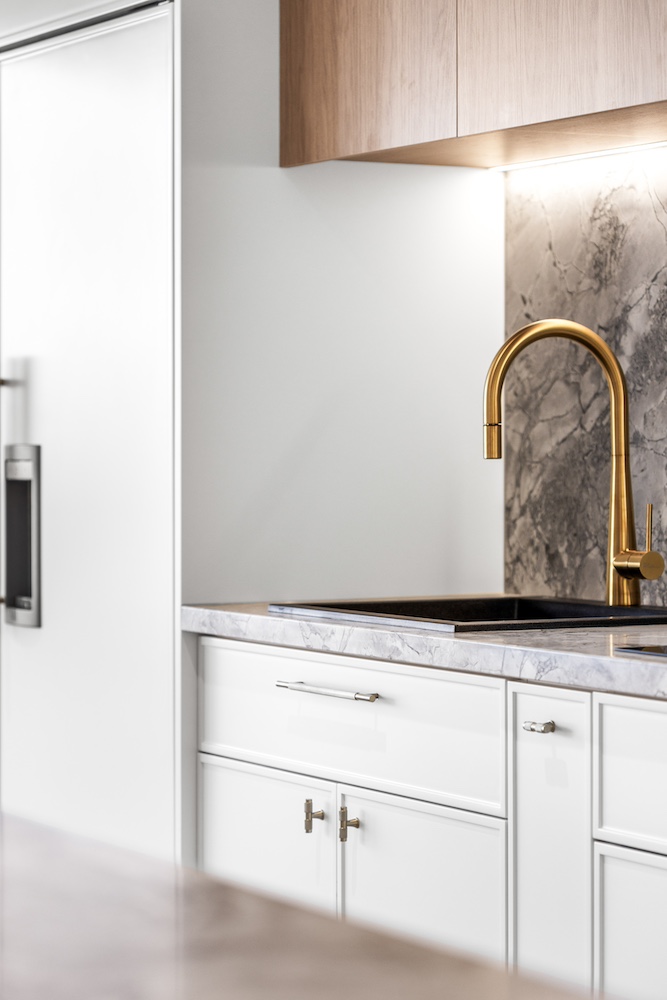
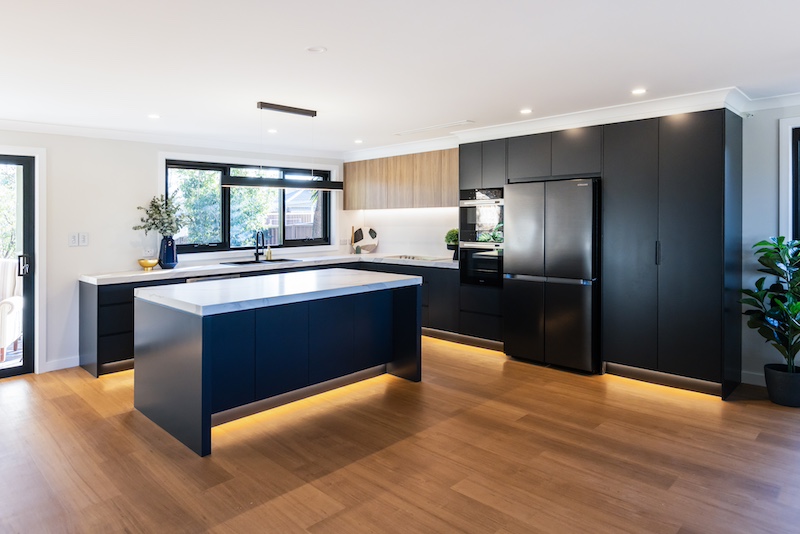
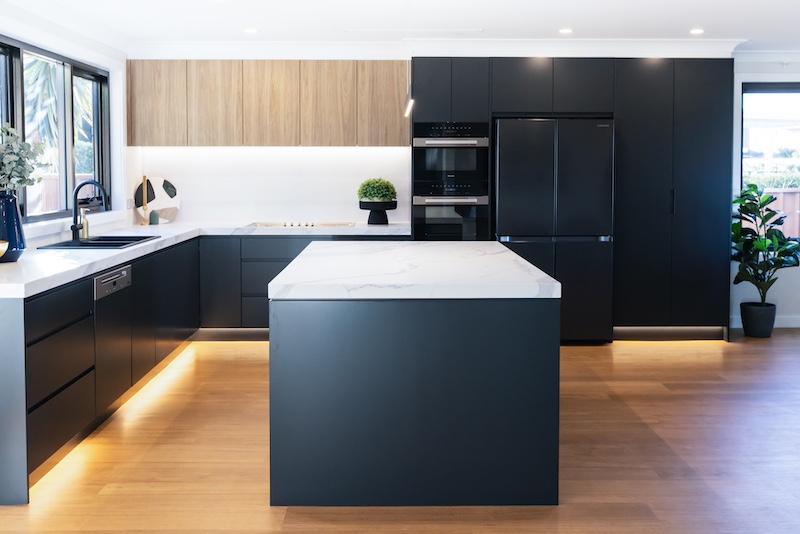
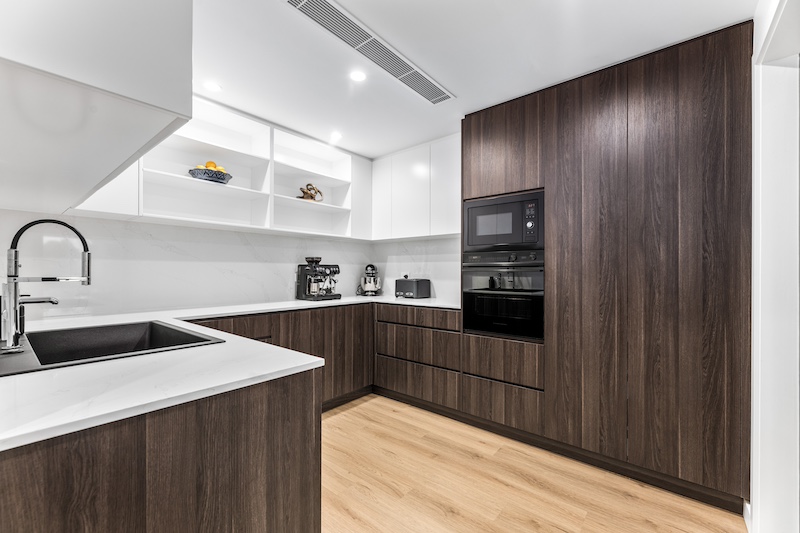
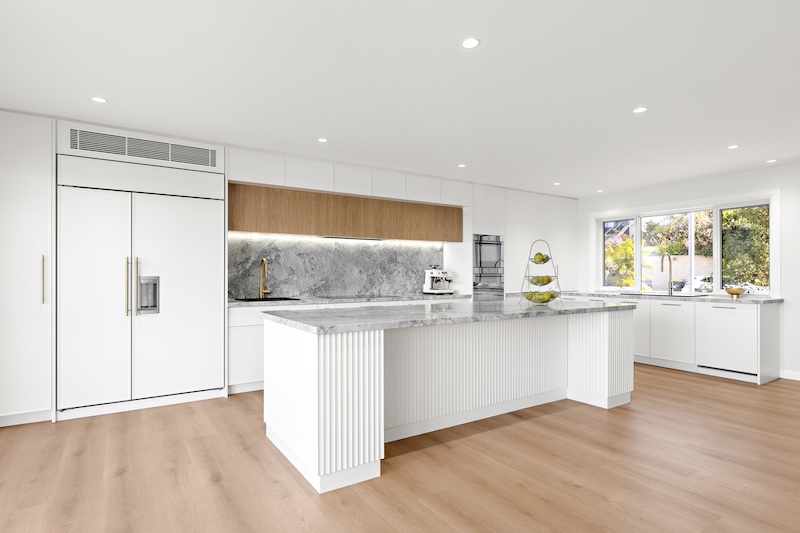
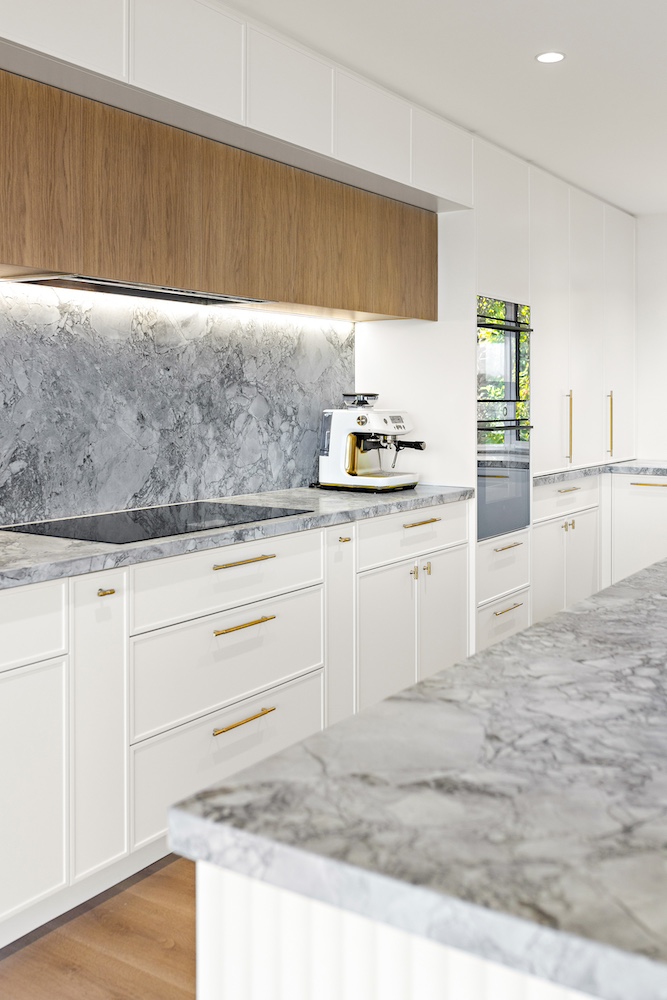
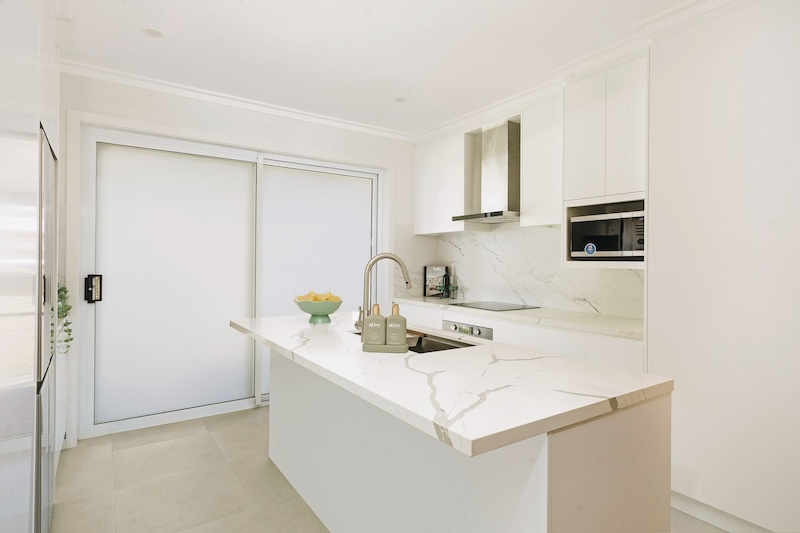
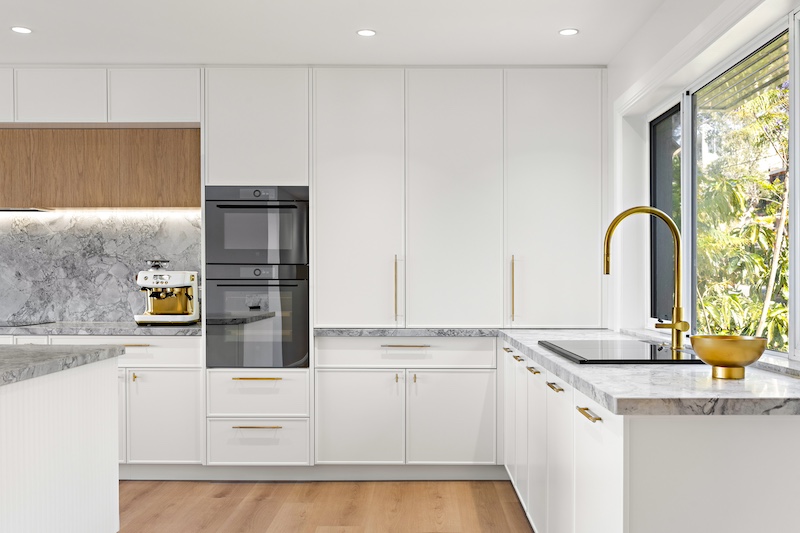
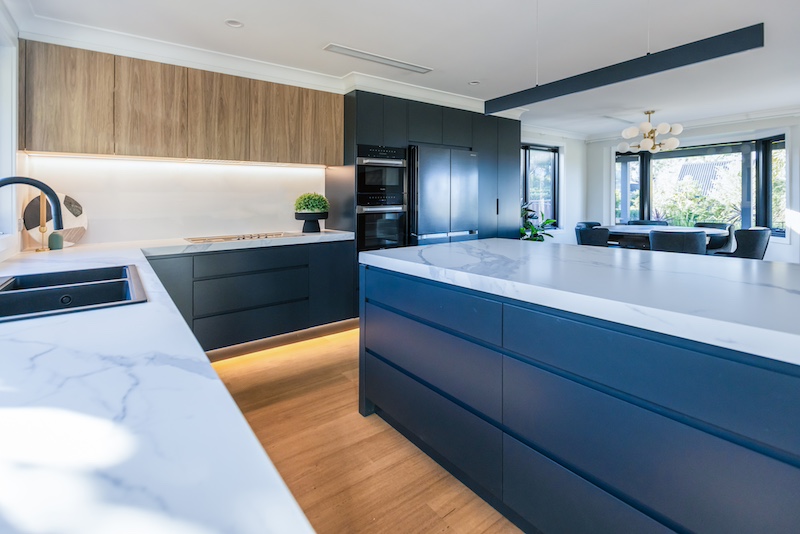
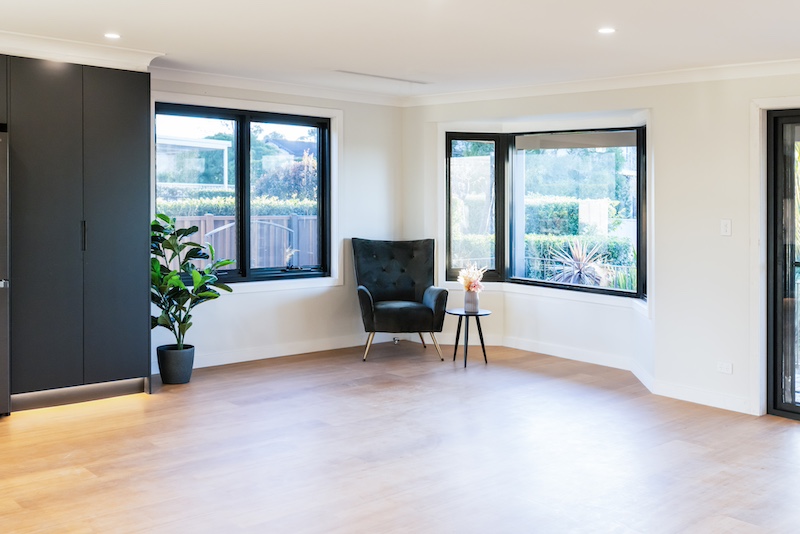
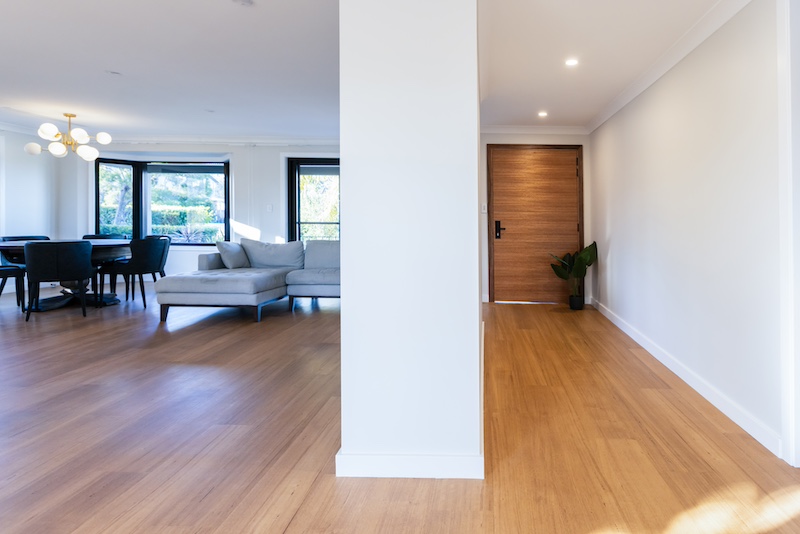
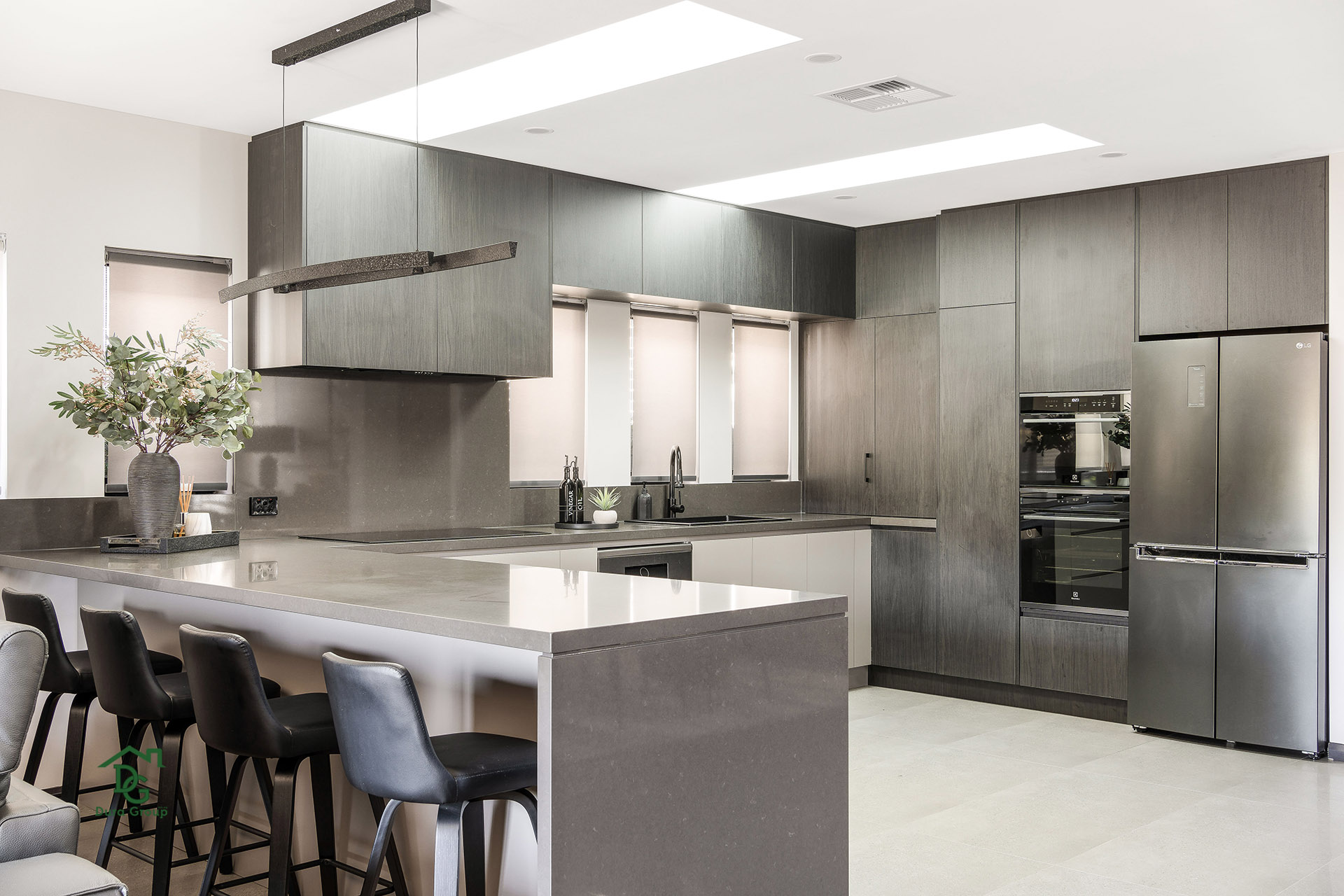
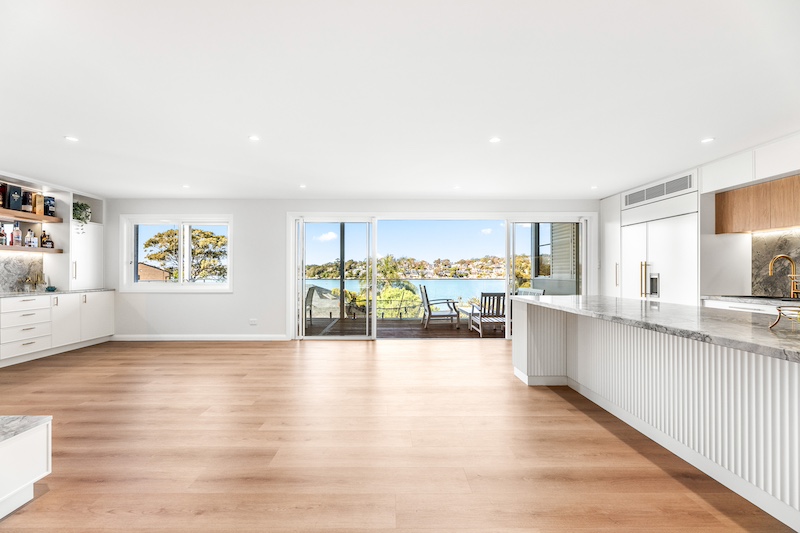
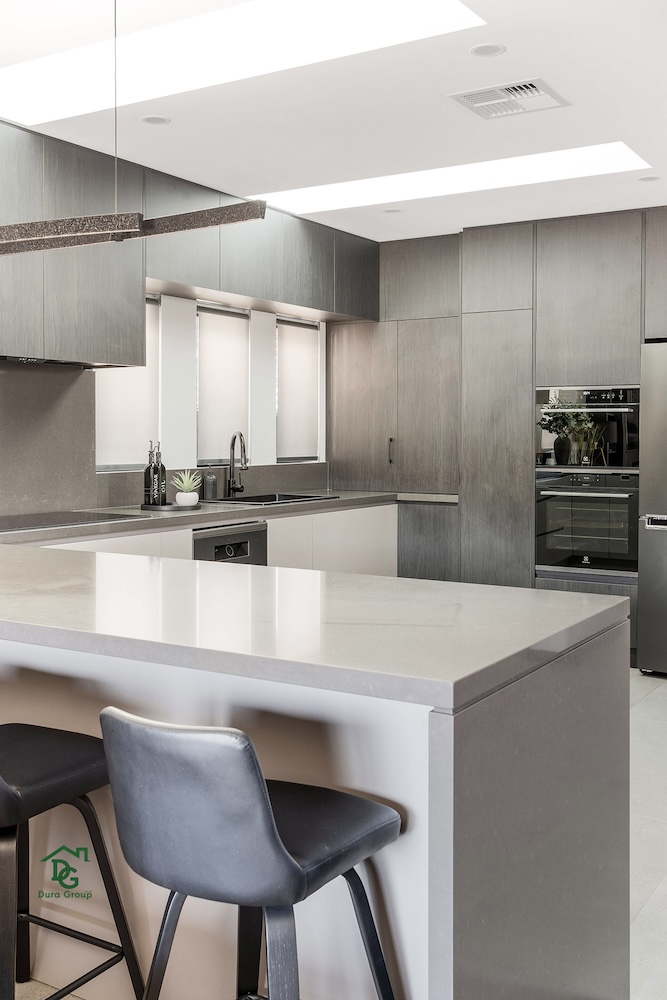
Kitchen renovations in Canterbury typically involve removing walls between dated galley kitchens and living areas to create open-plan layouts. Dura Group manages the full scope, from structural engineering and beam installation to cabinetry, stone benchtops, and appliance fit-out.
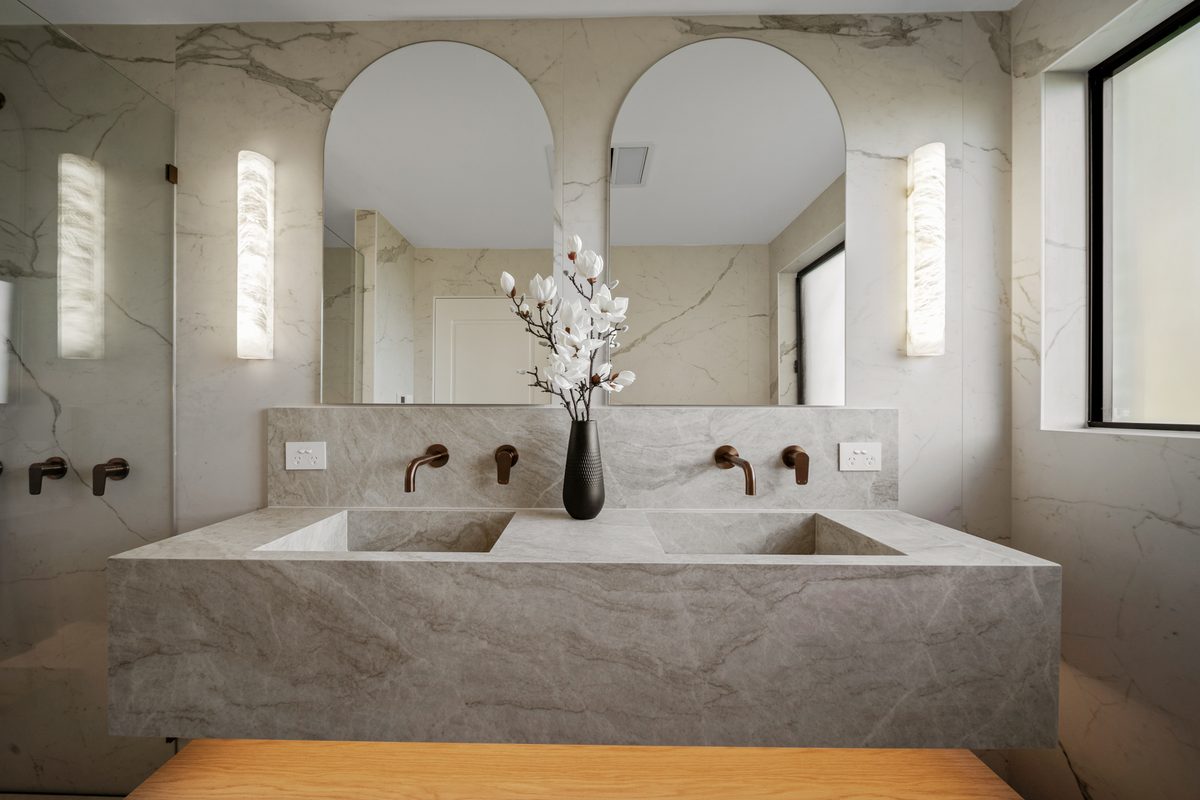
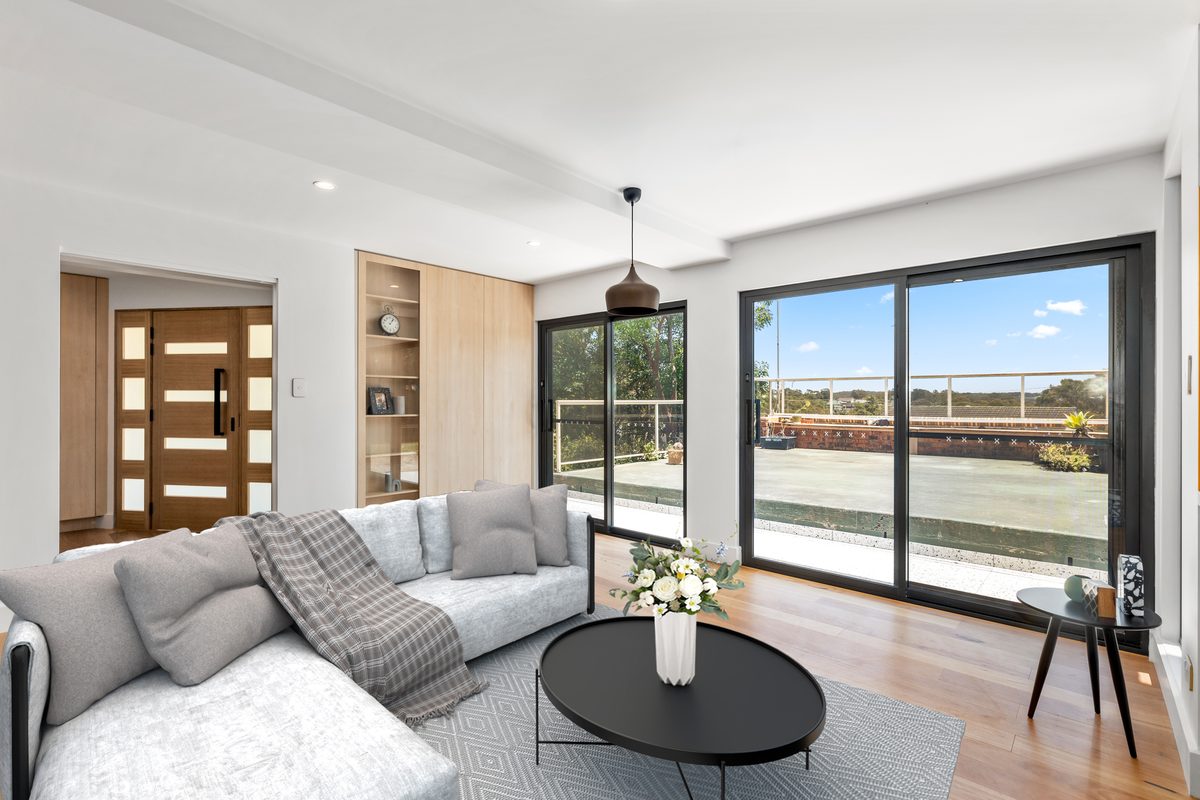
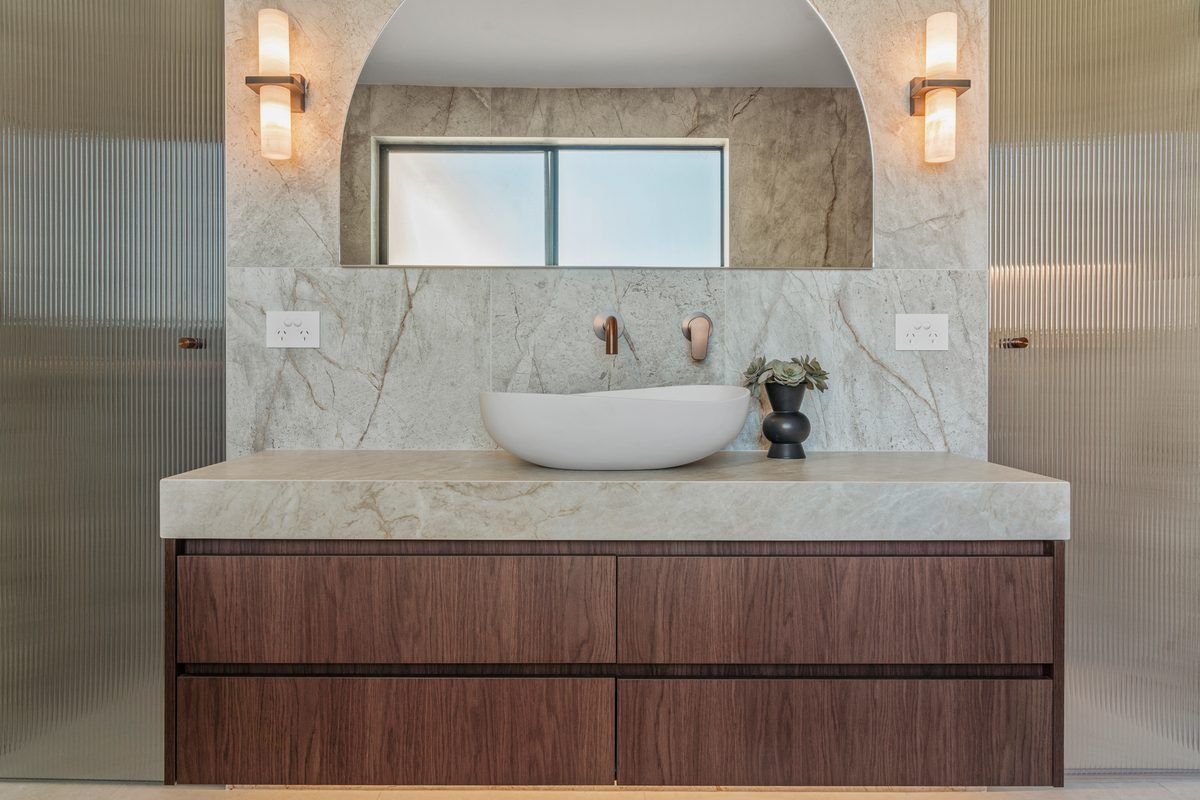
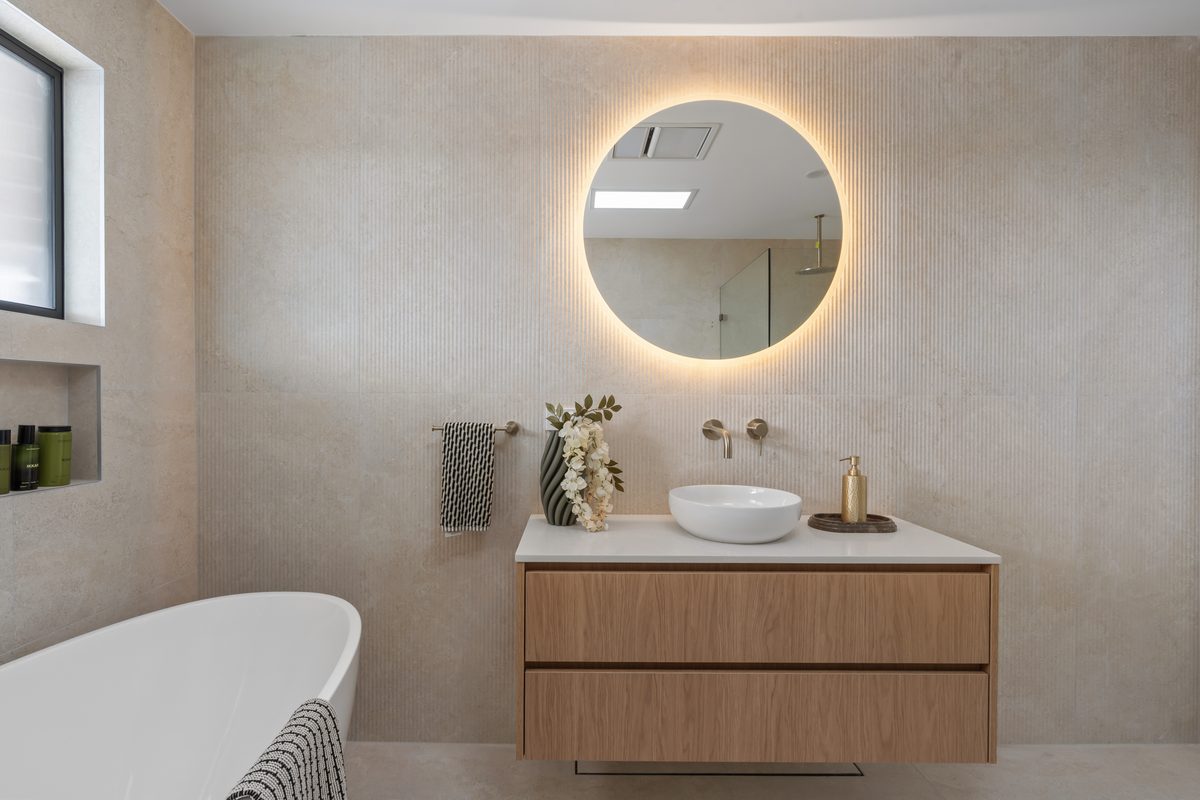
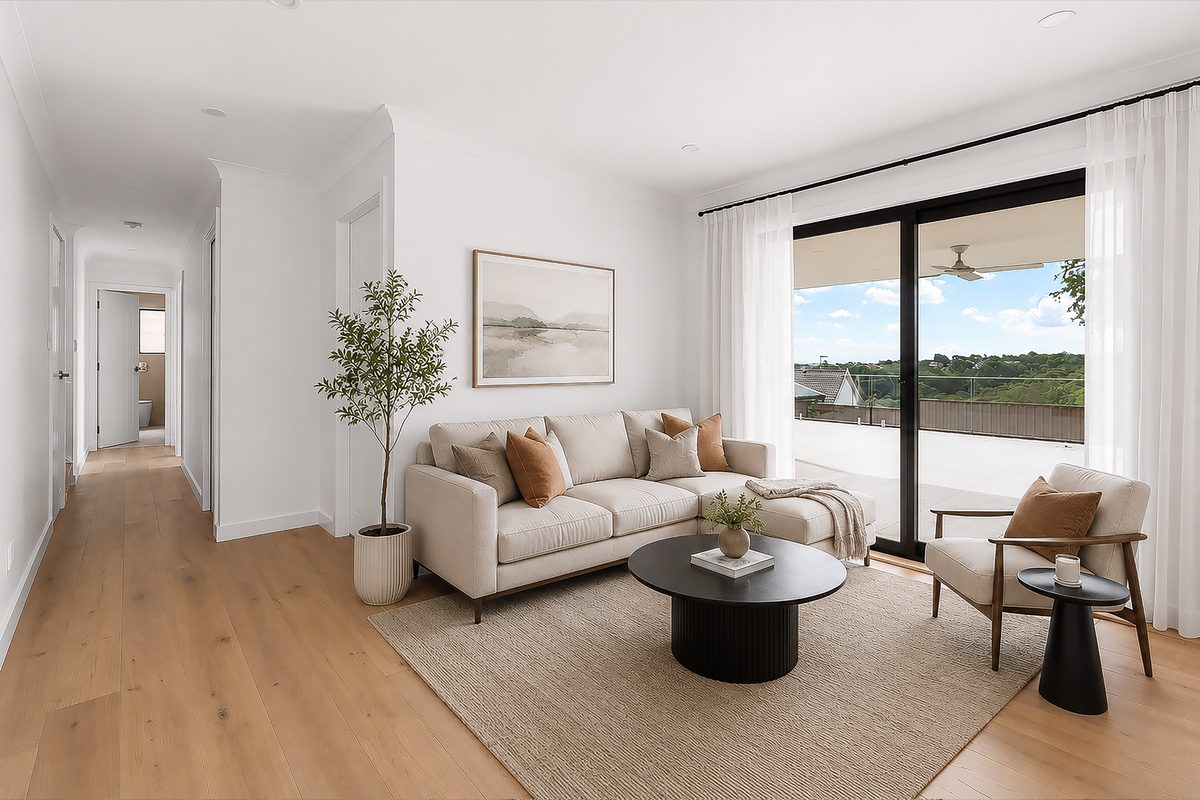
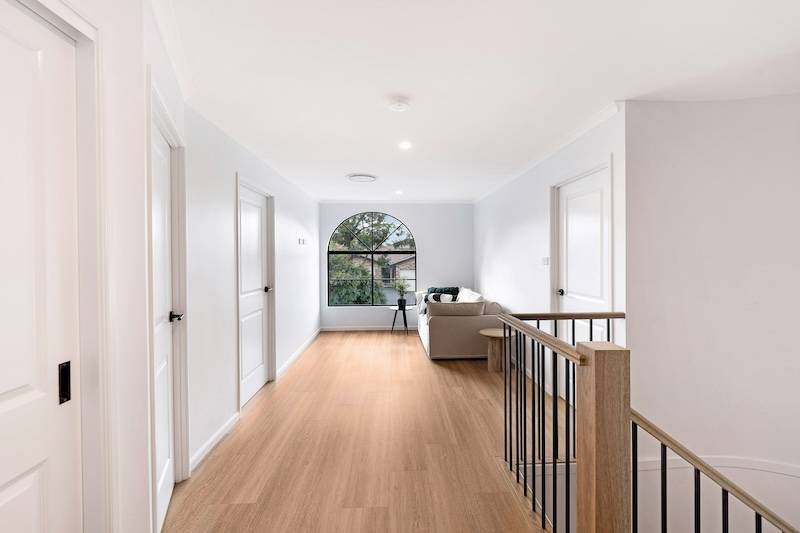
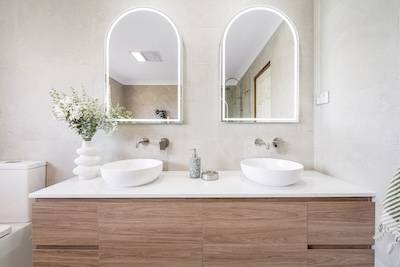
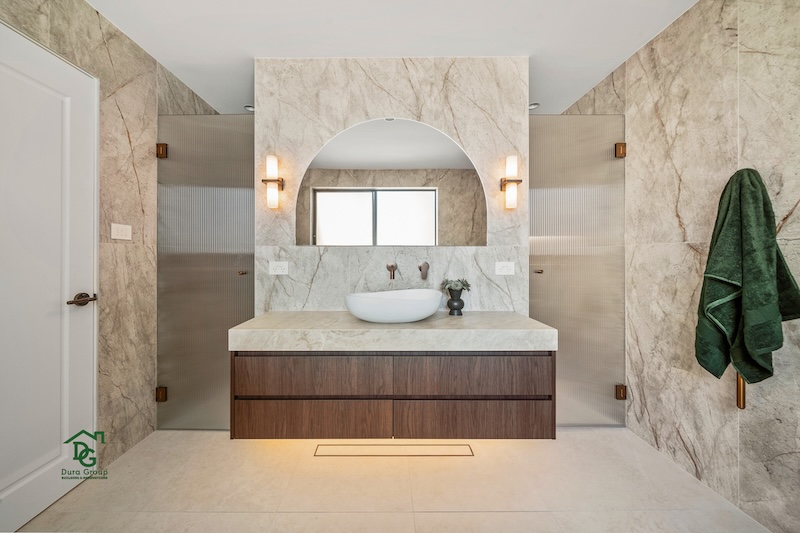
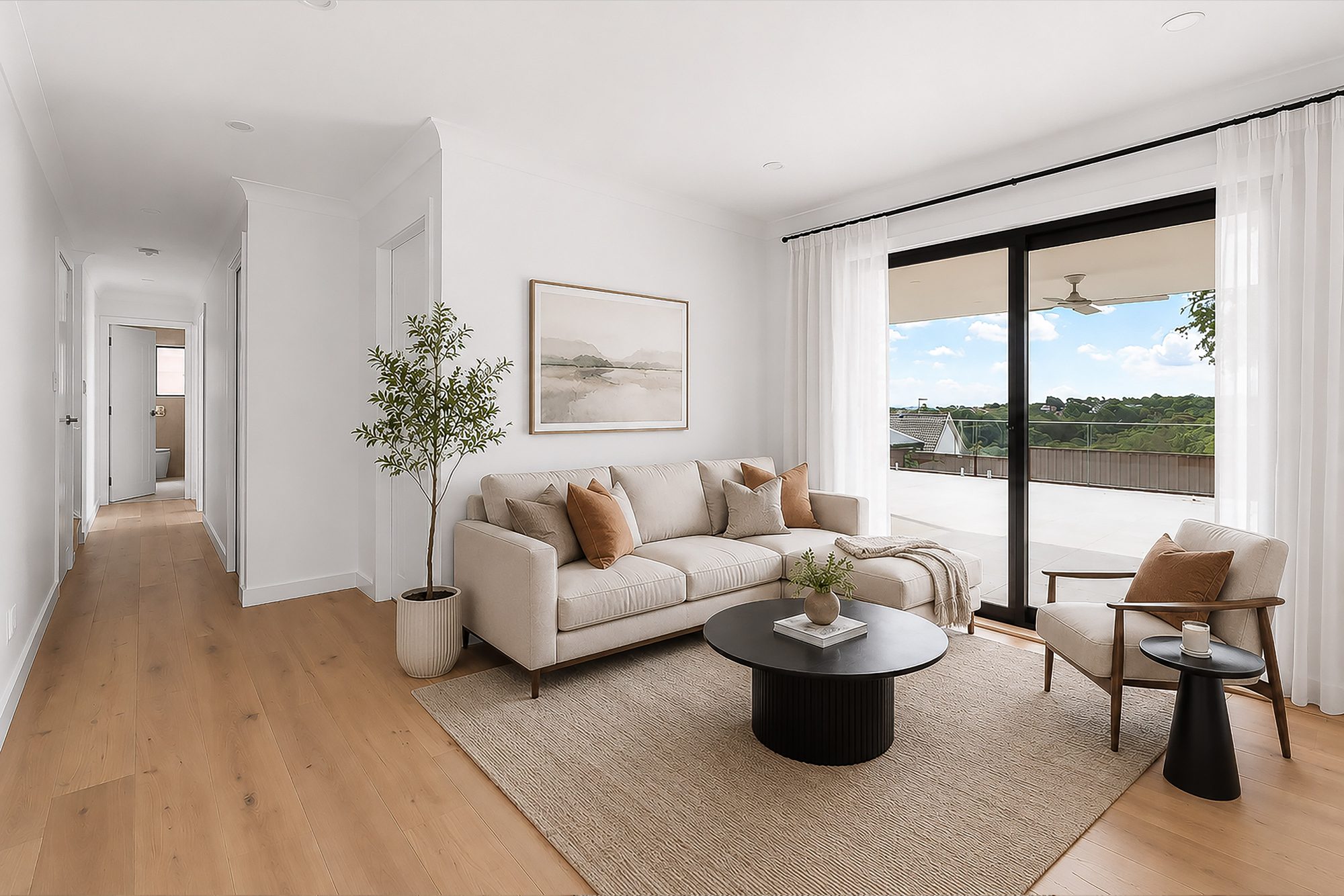
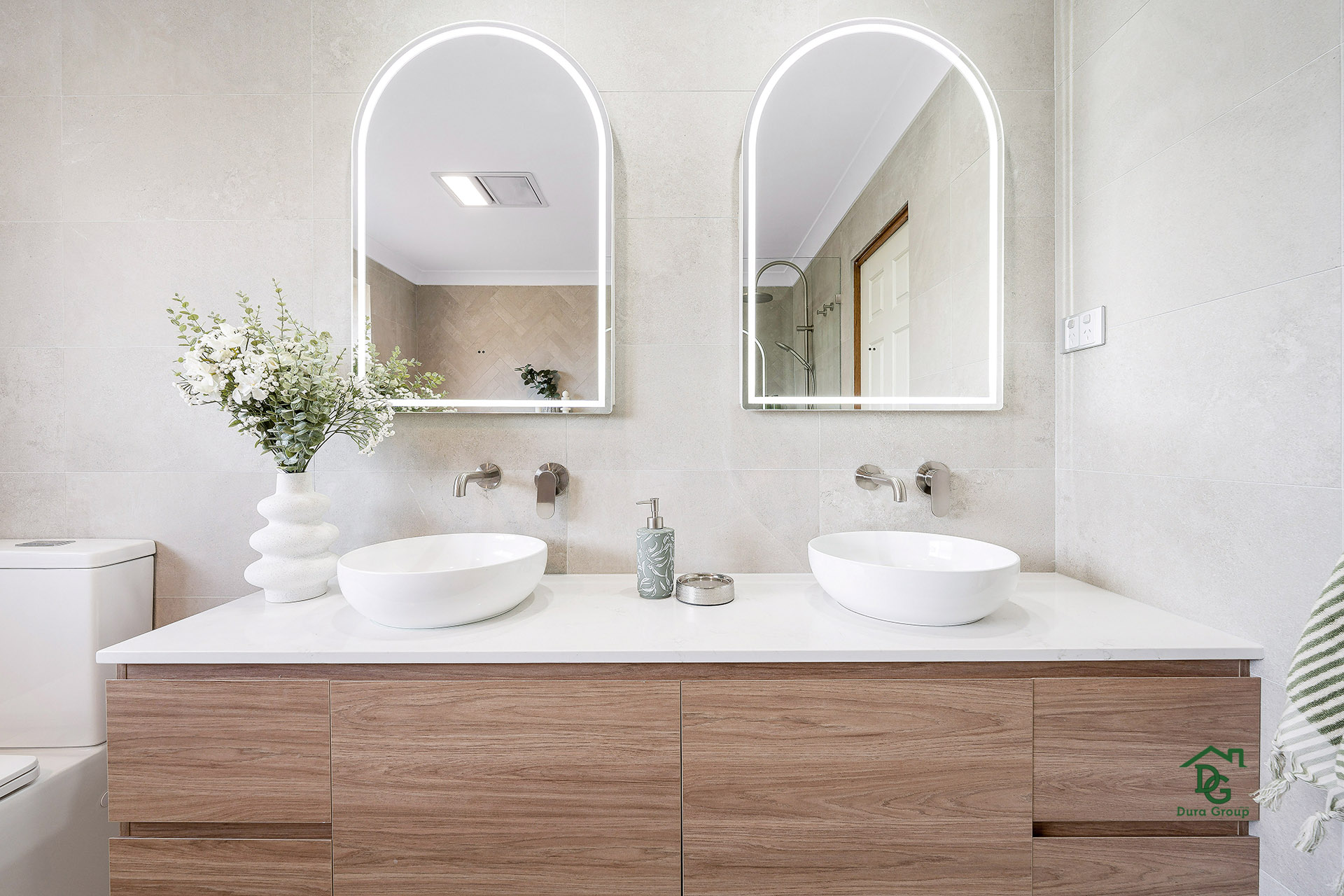
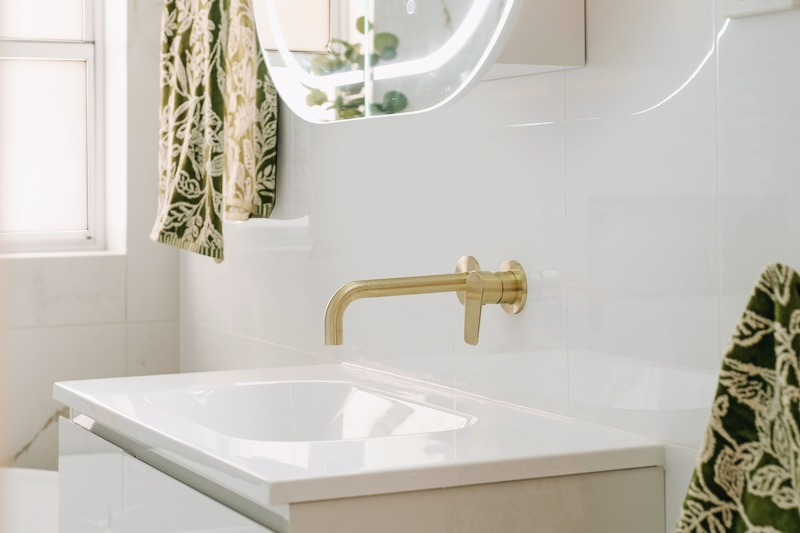
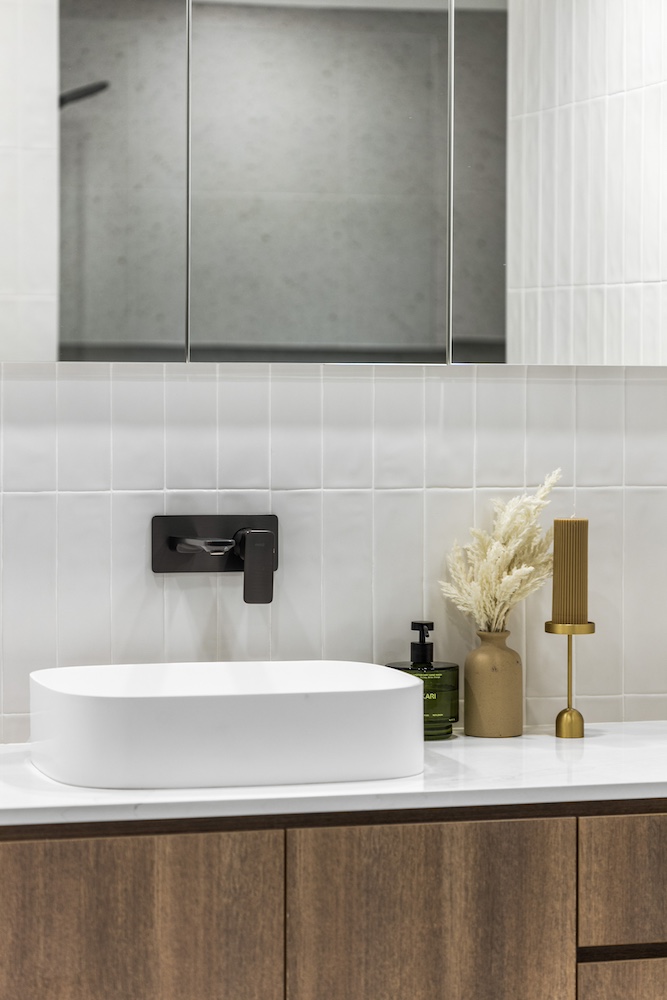
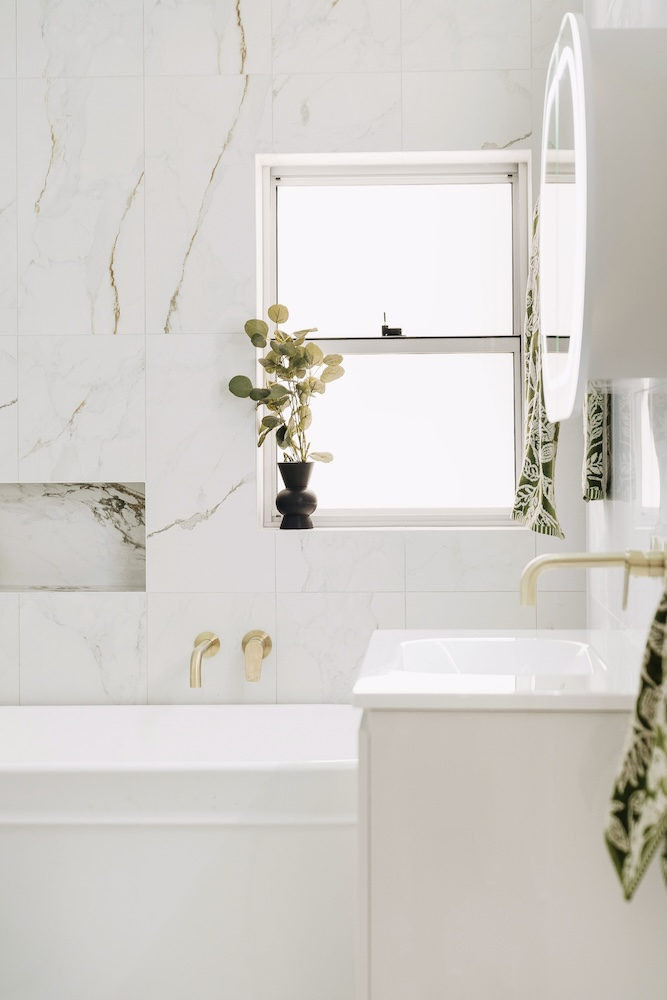
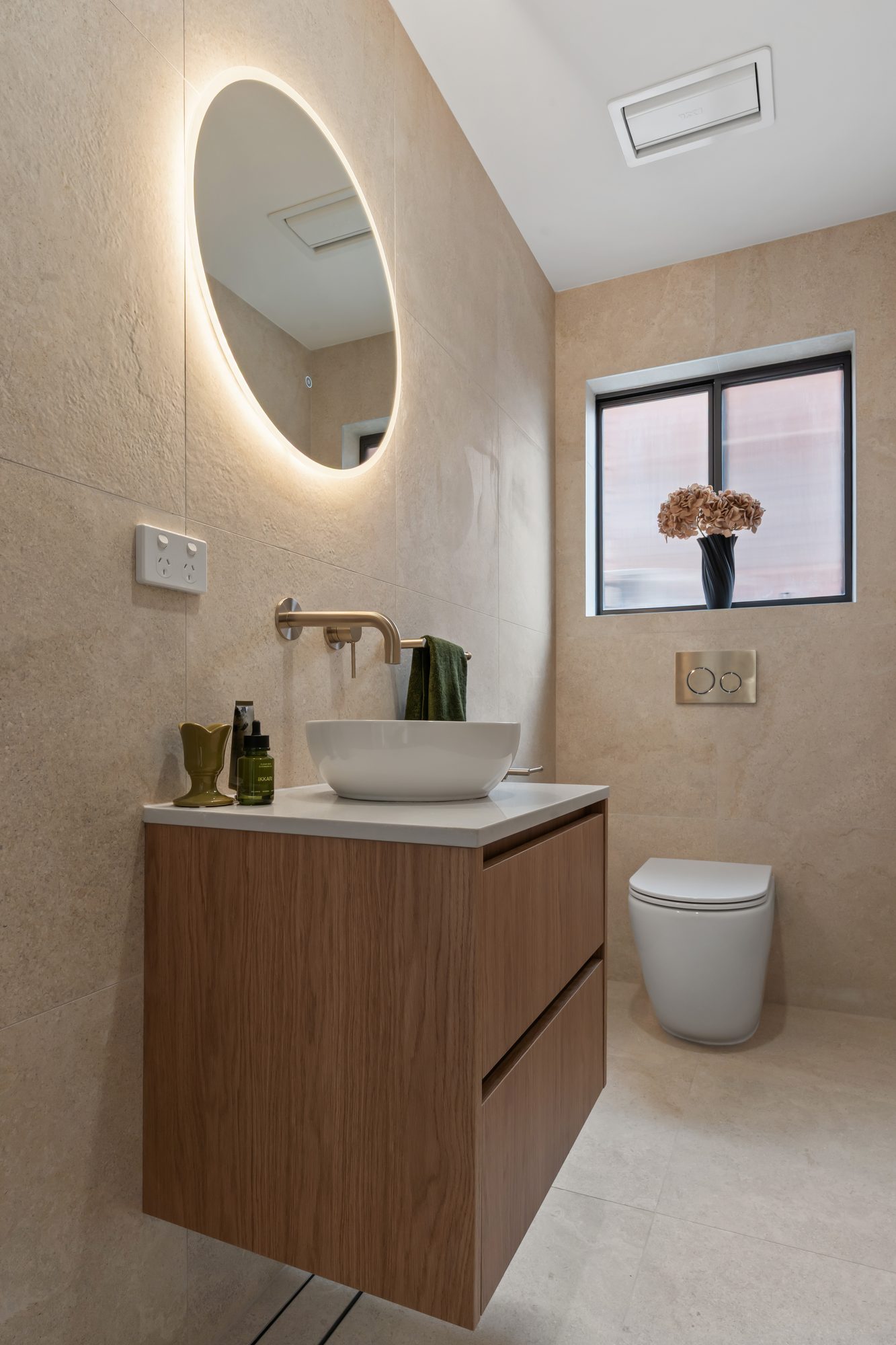
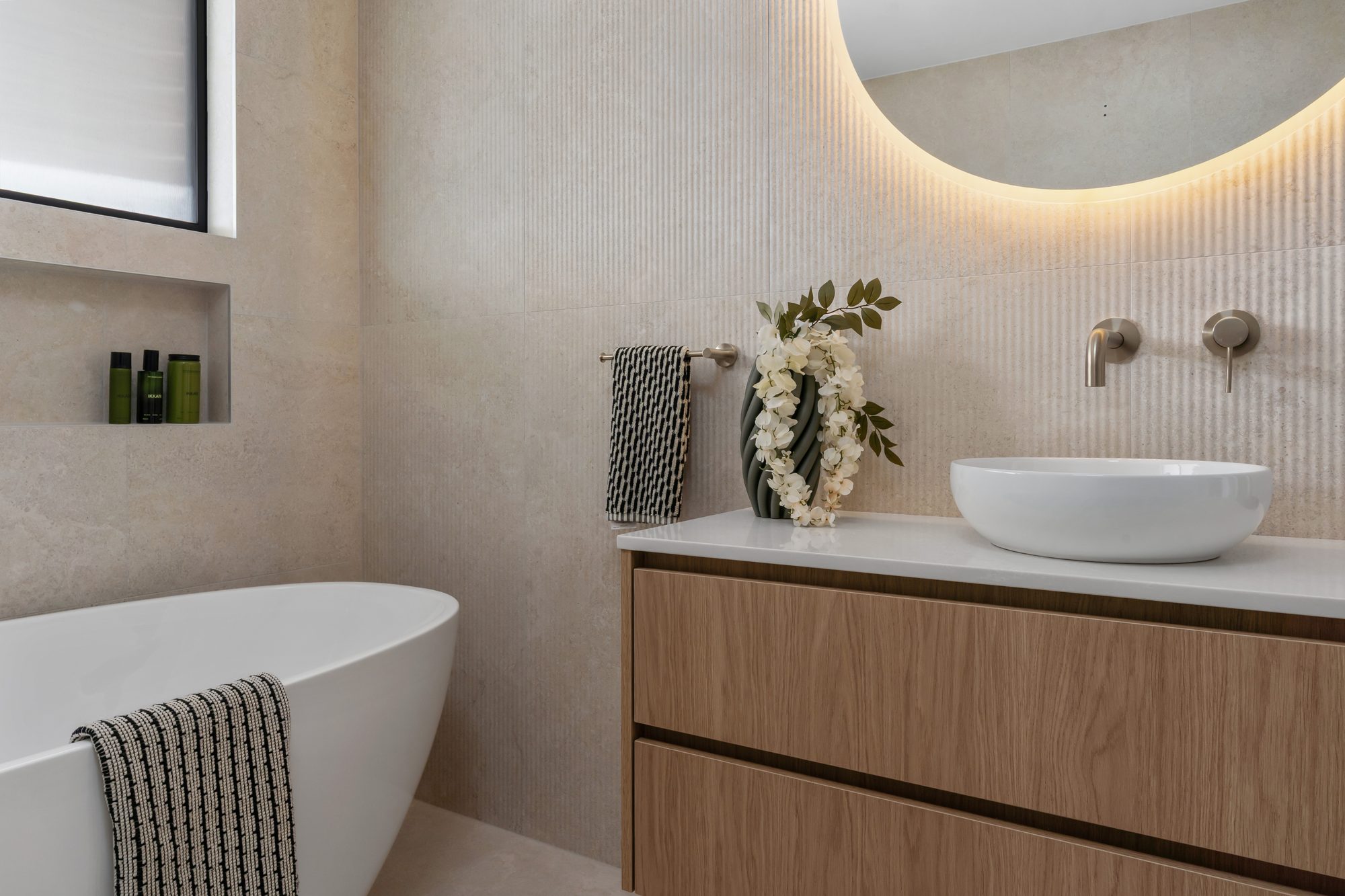
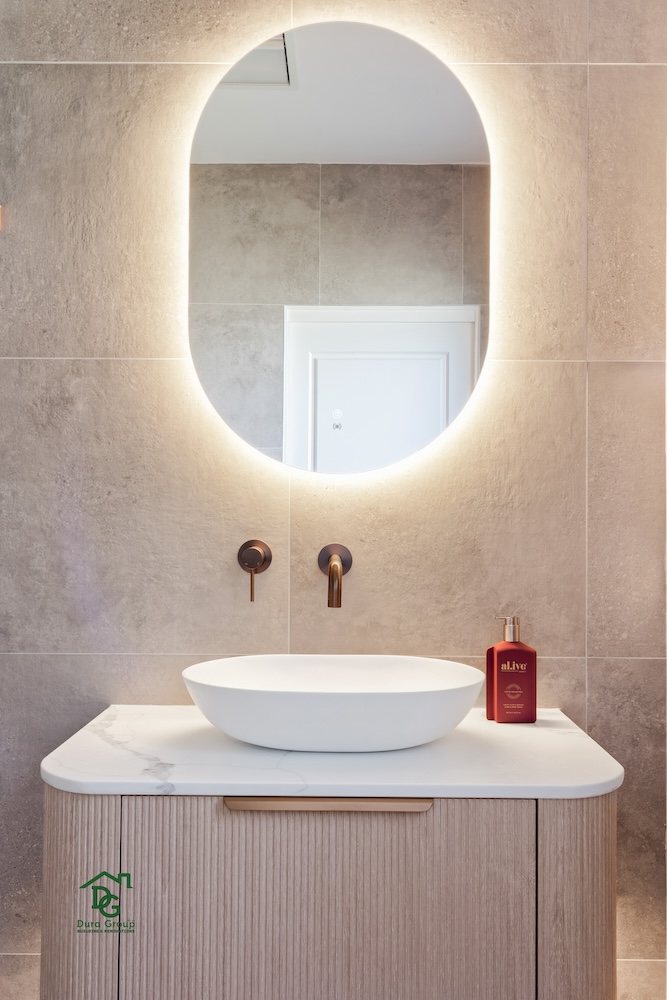
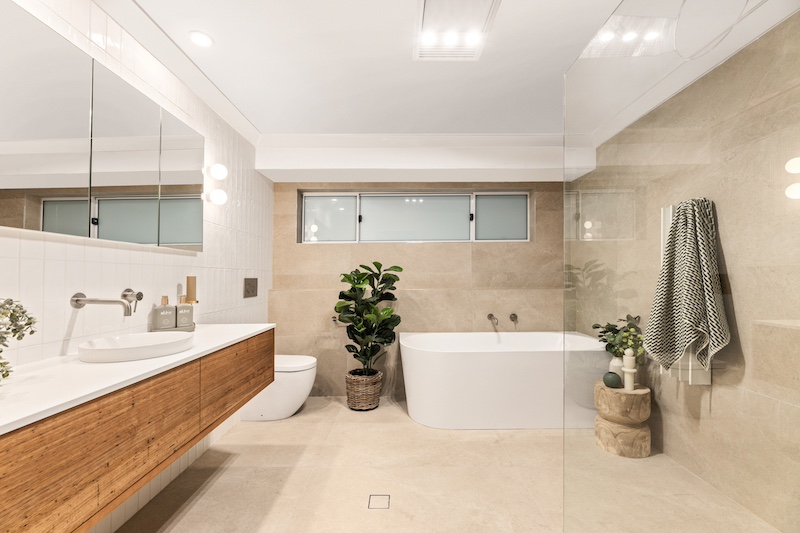
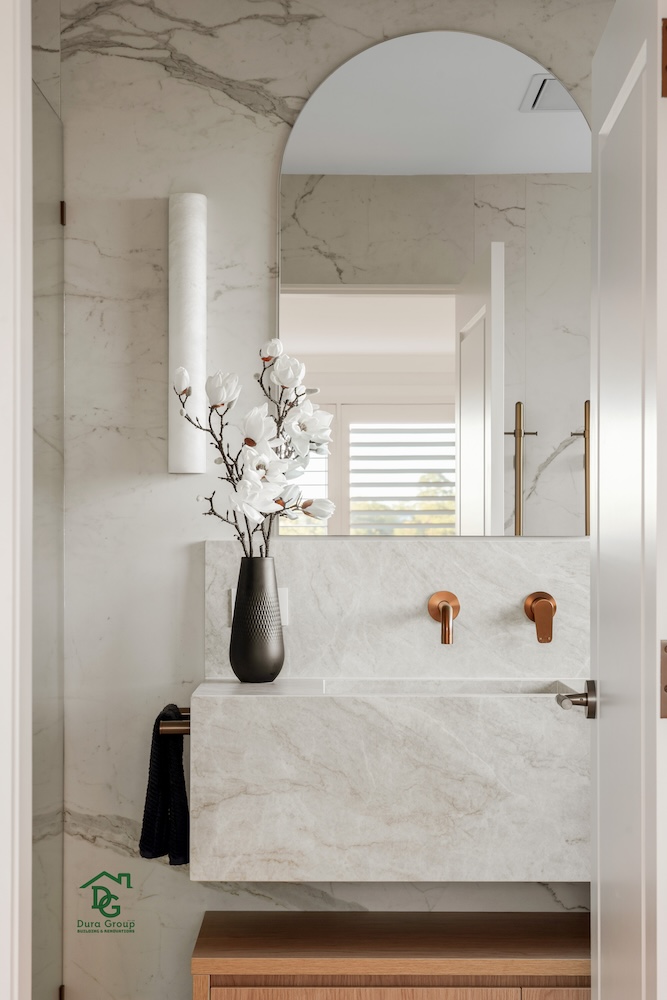
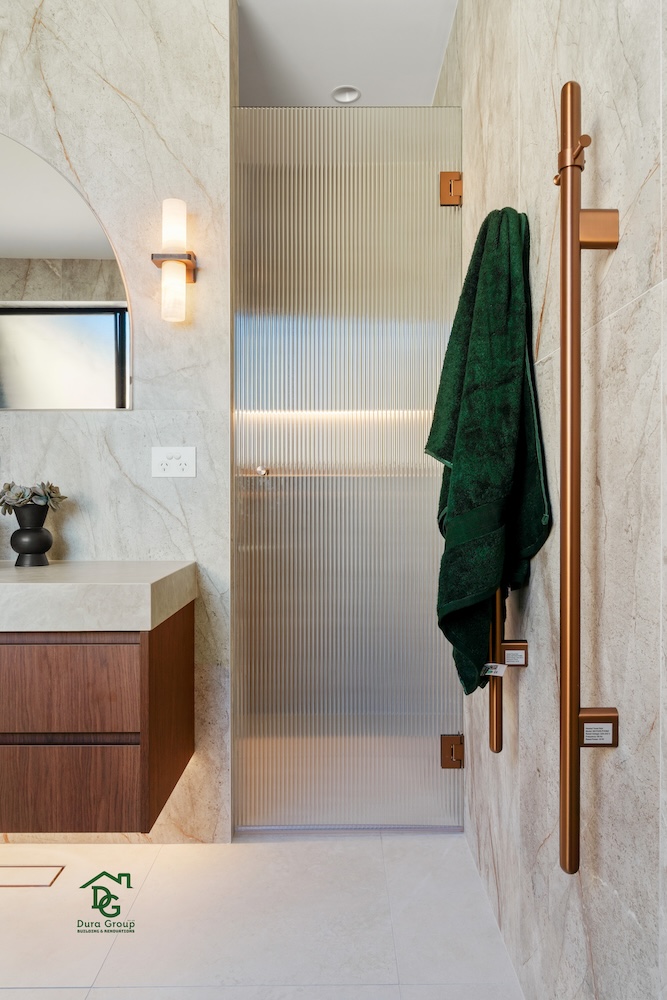
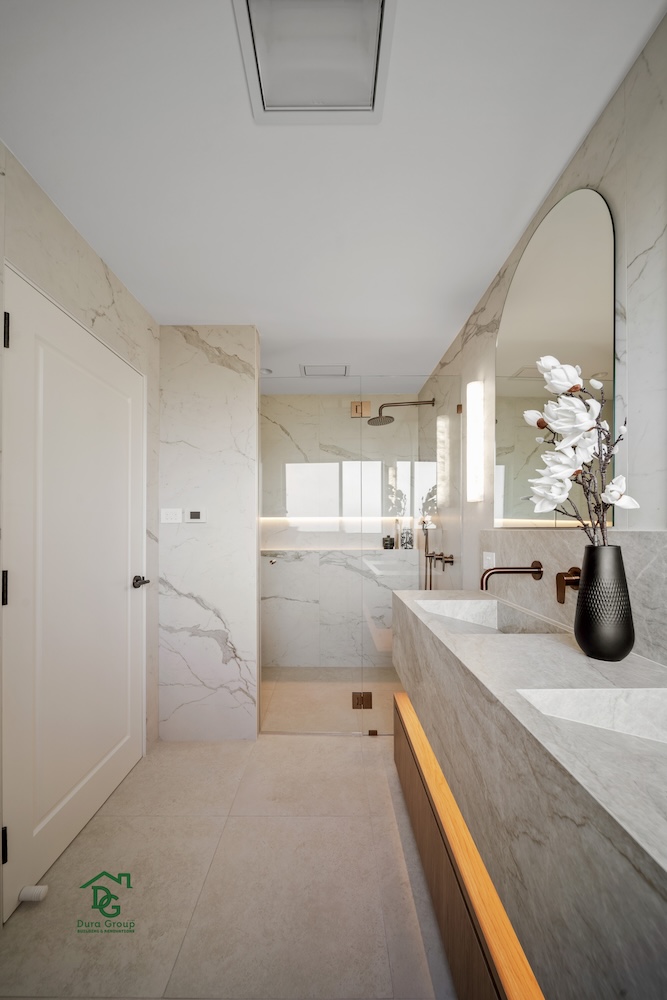
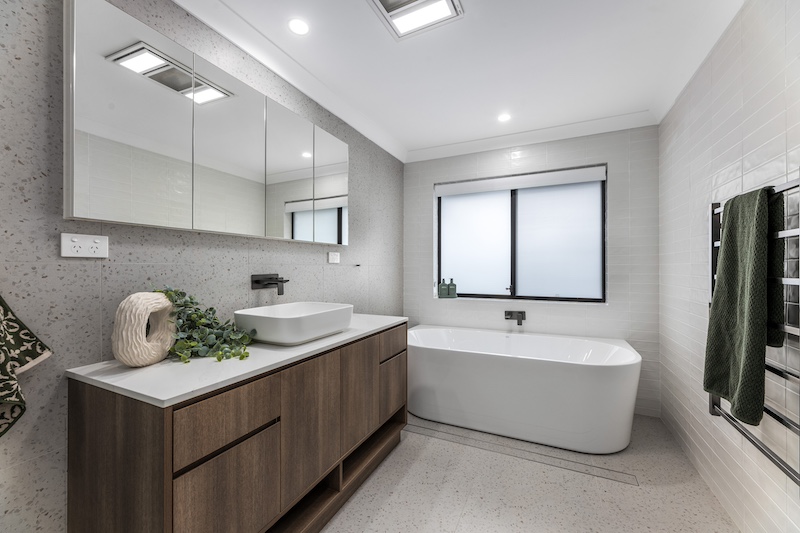
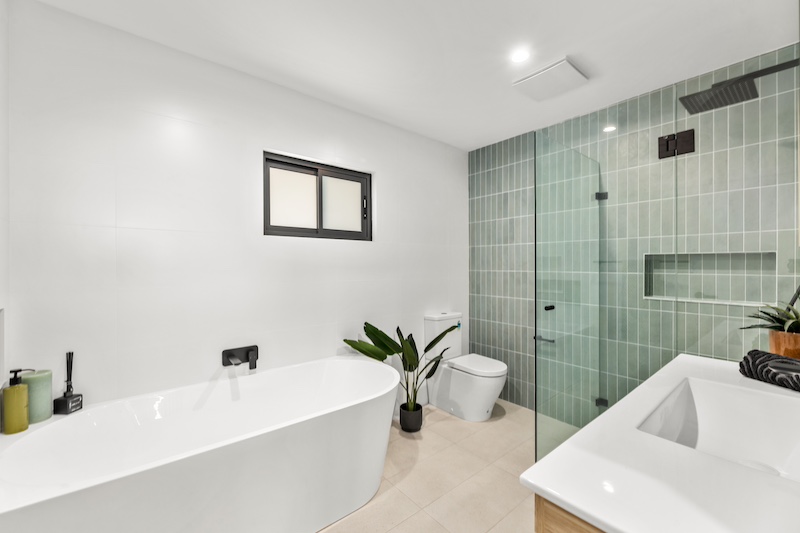
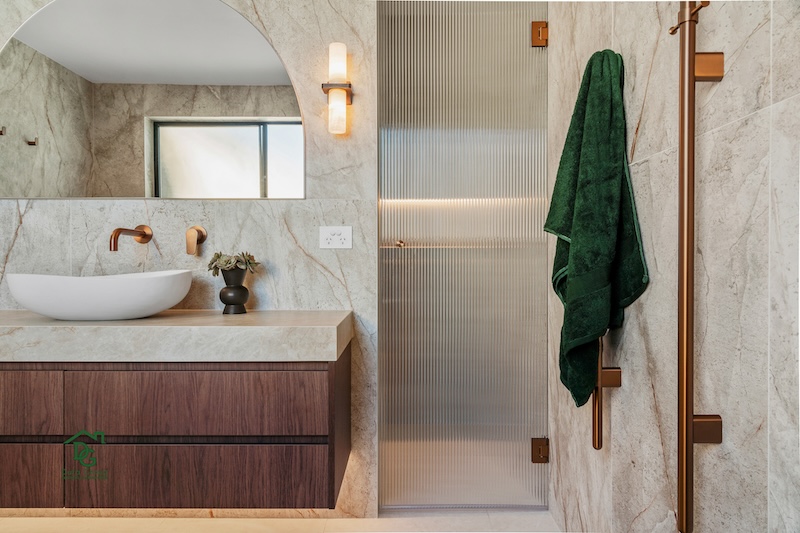
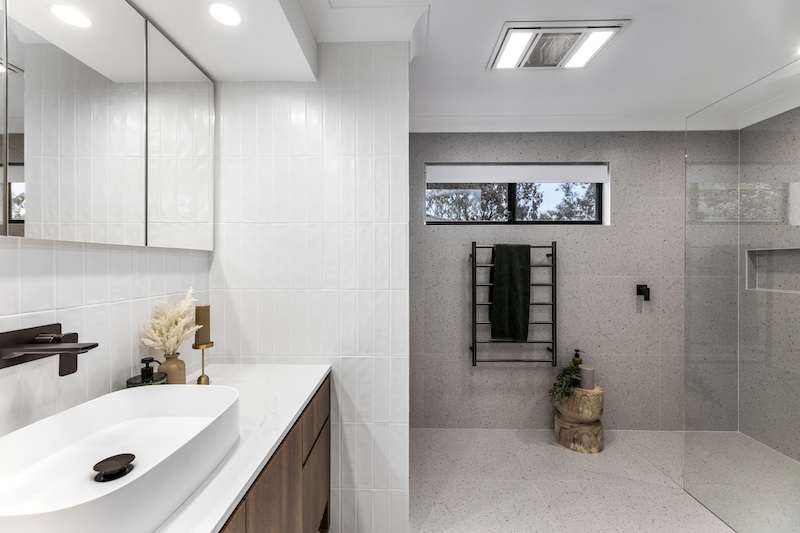
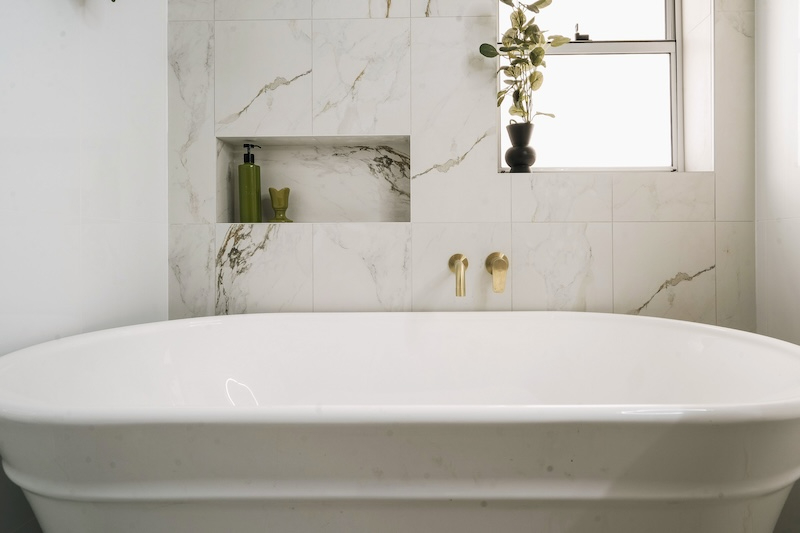
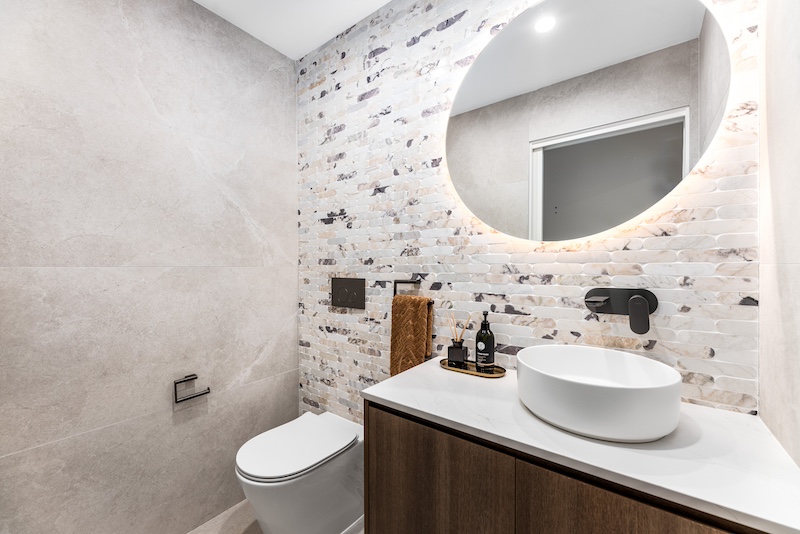
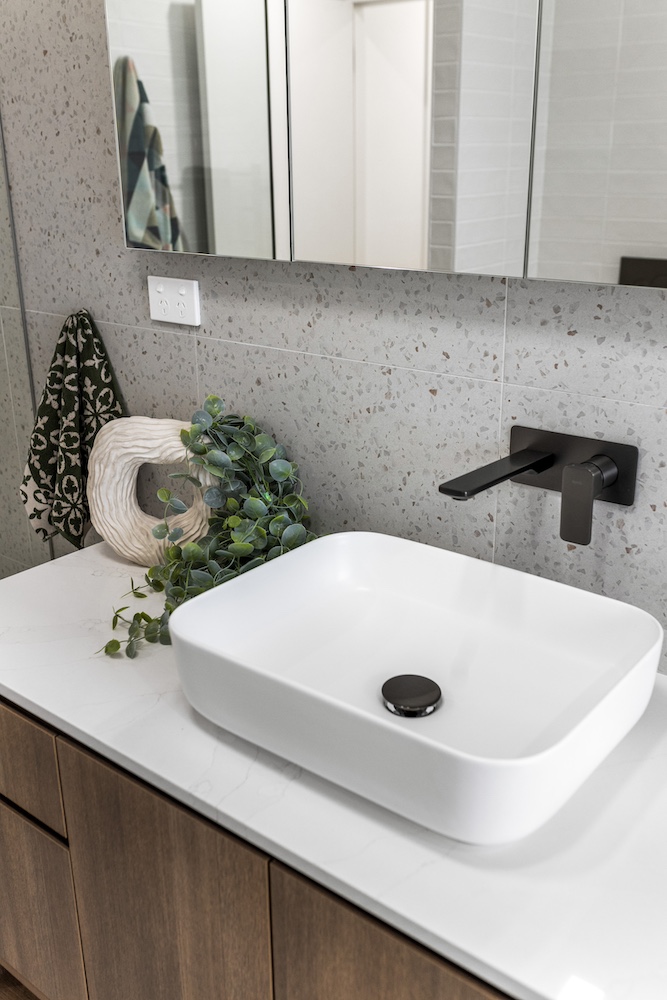
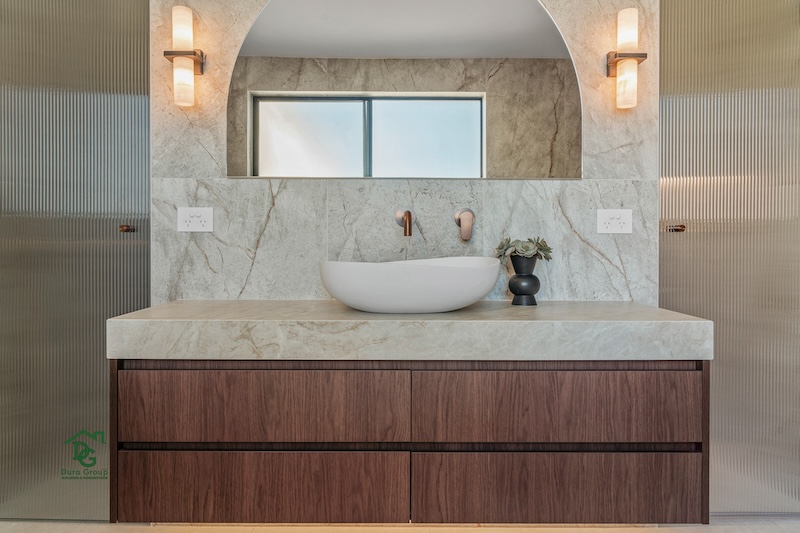
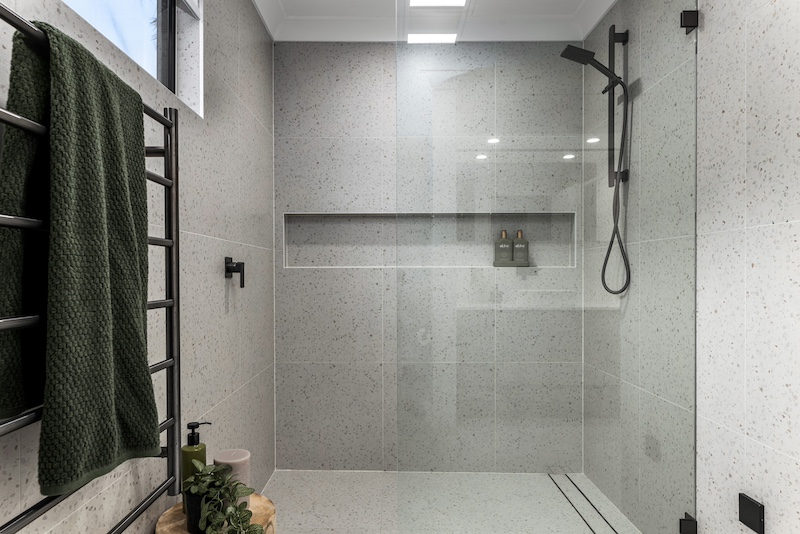
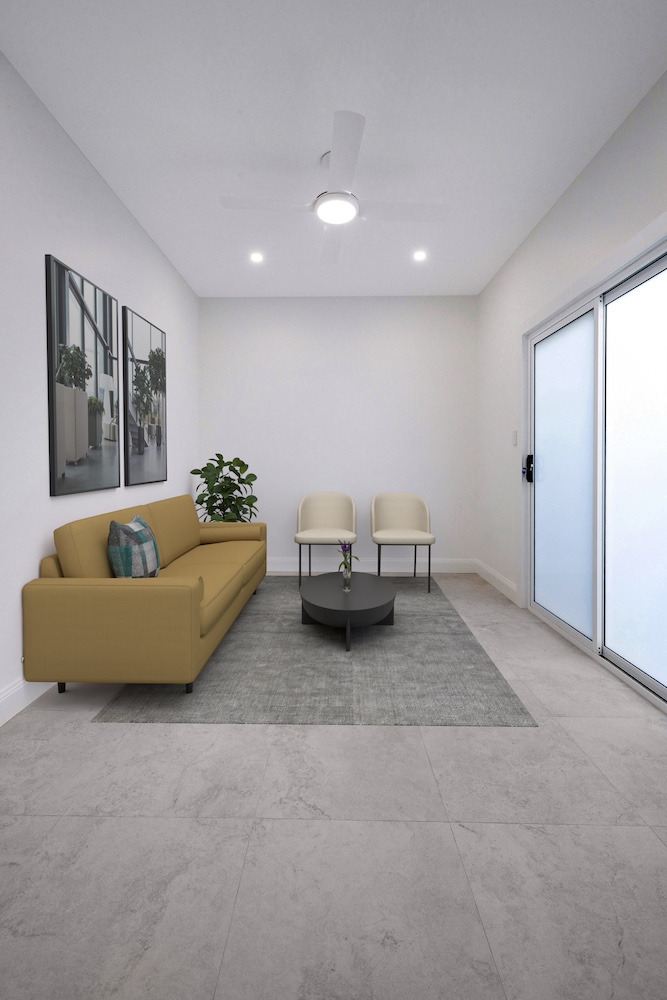
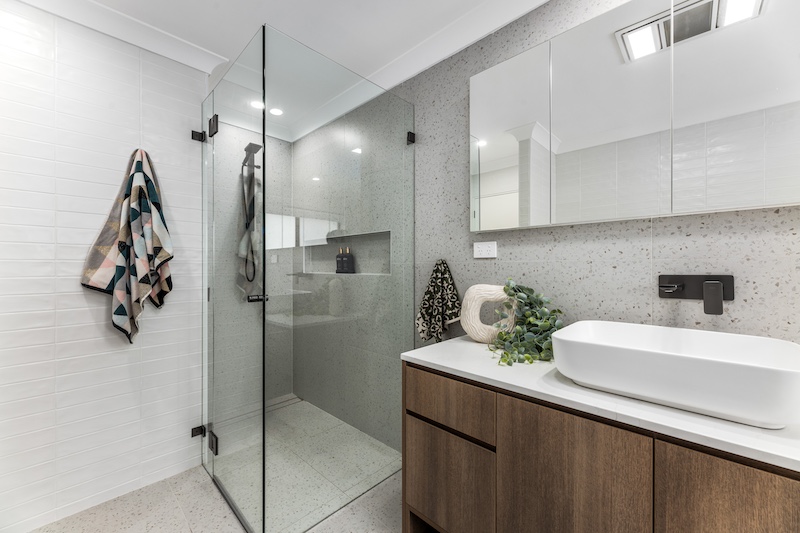
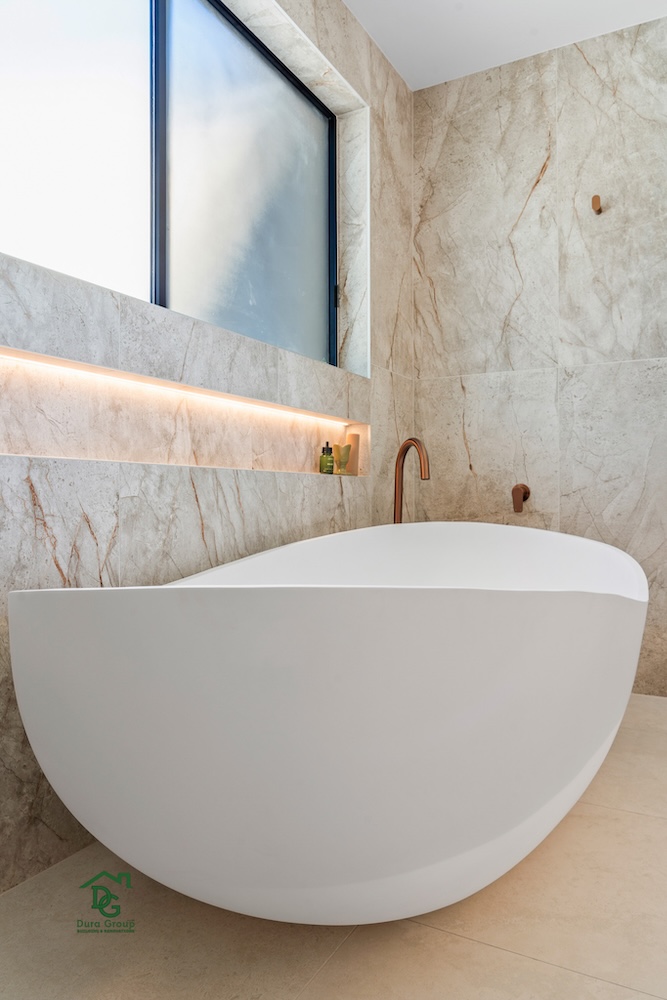
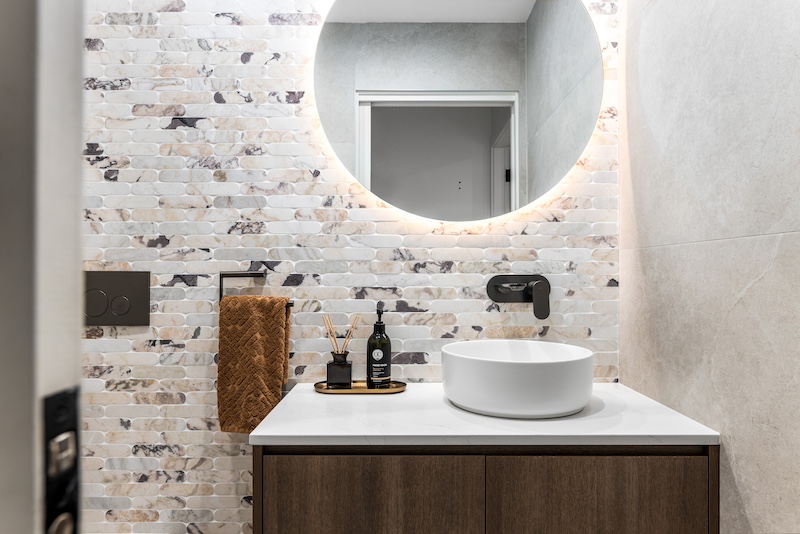
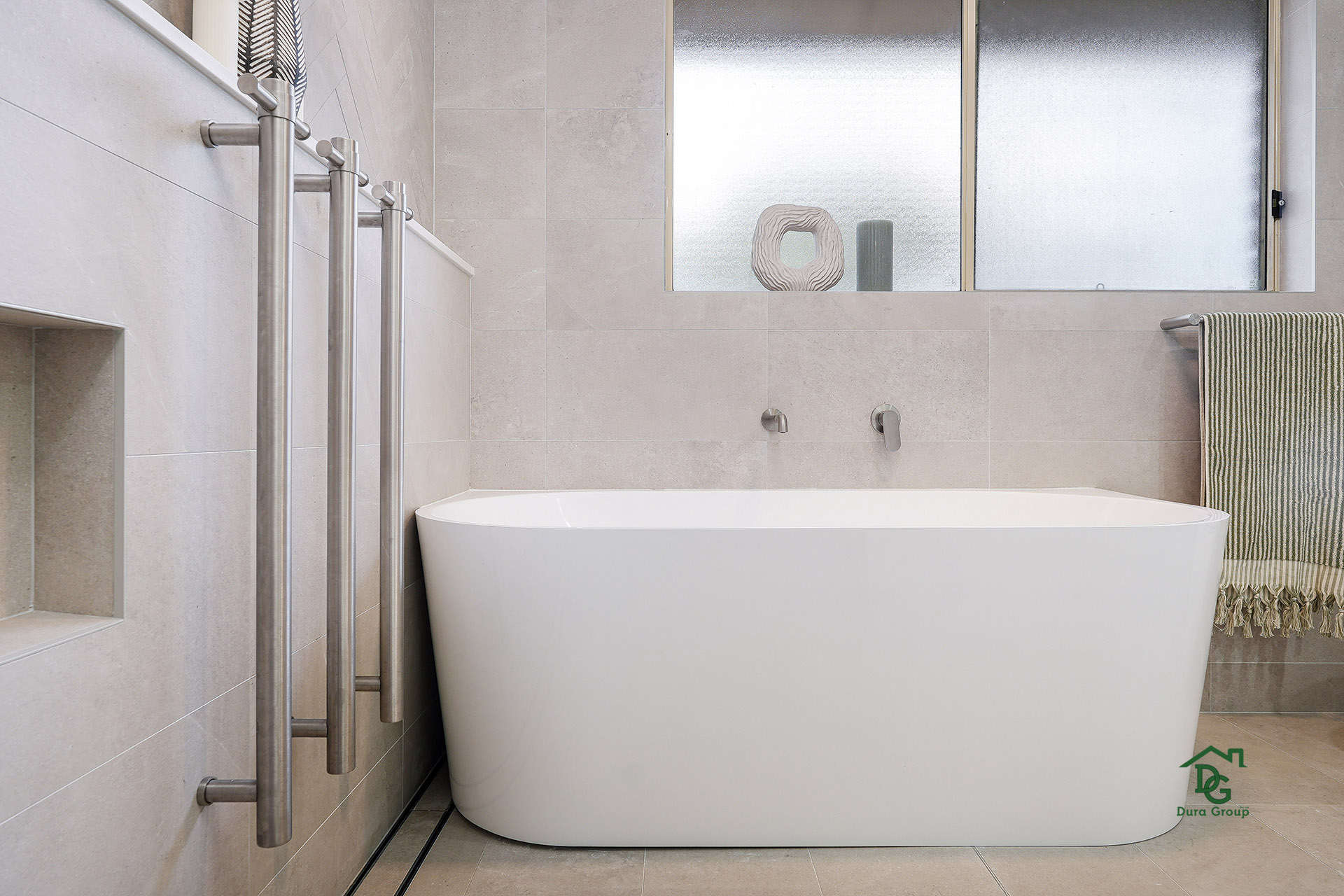
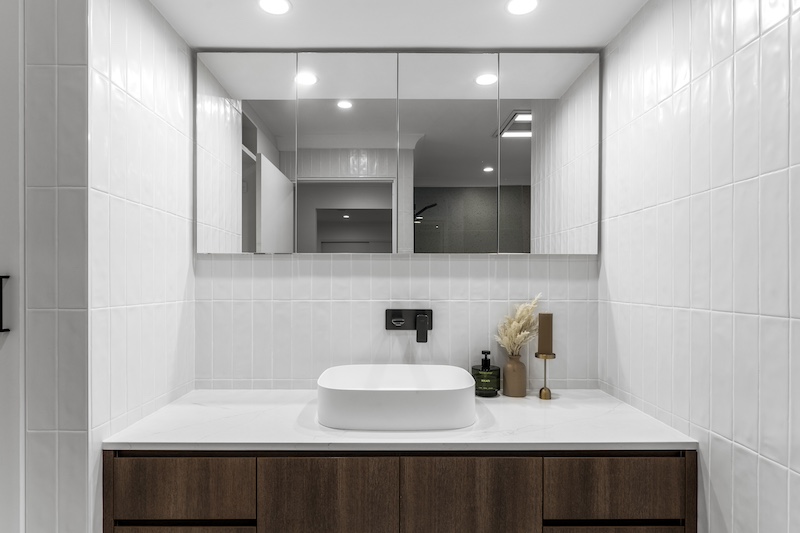
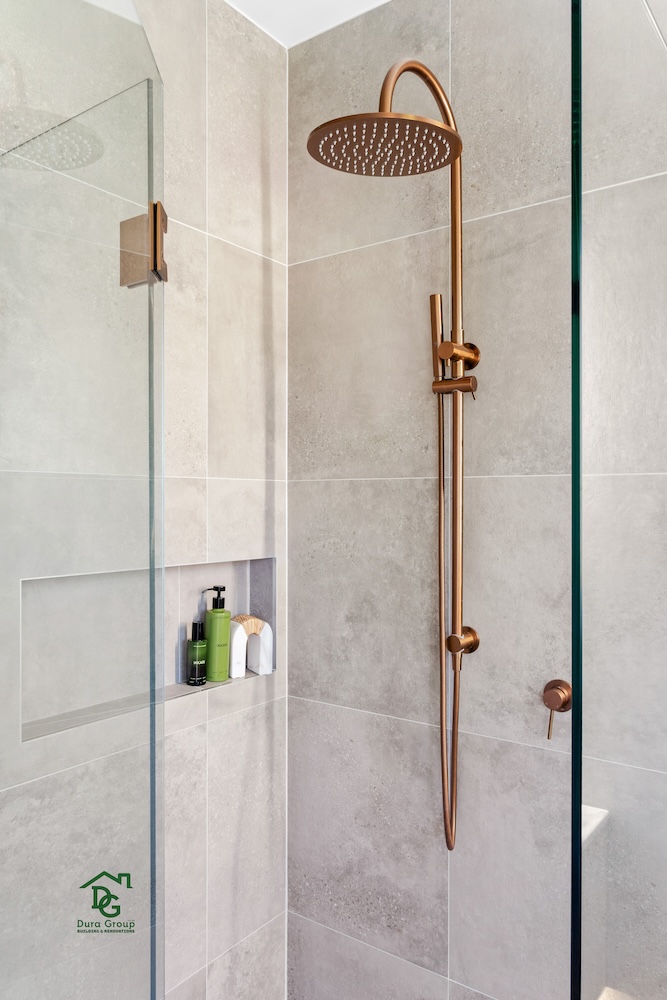
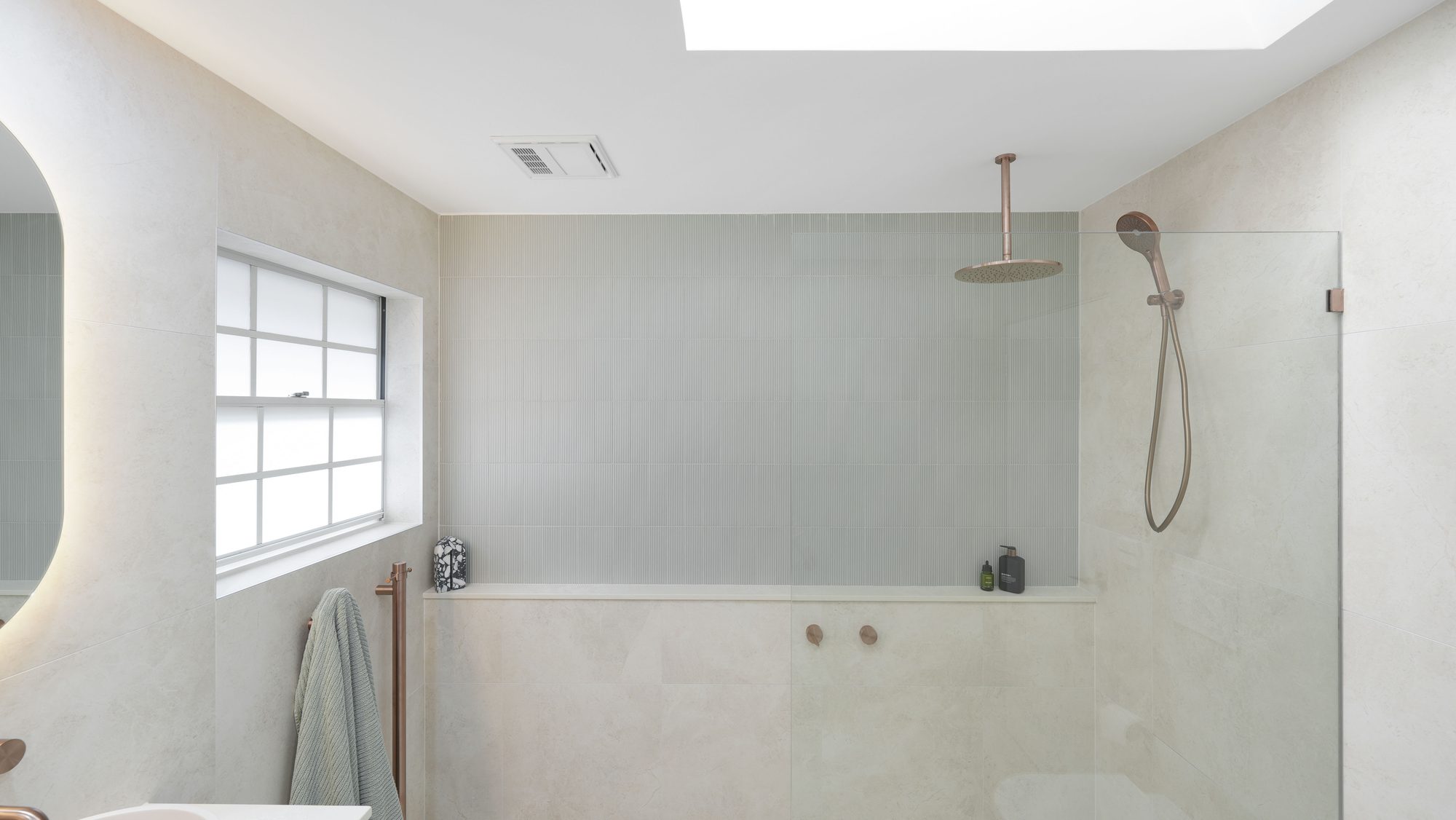
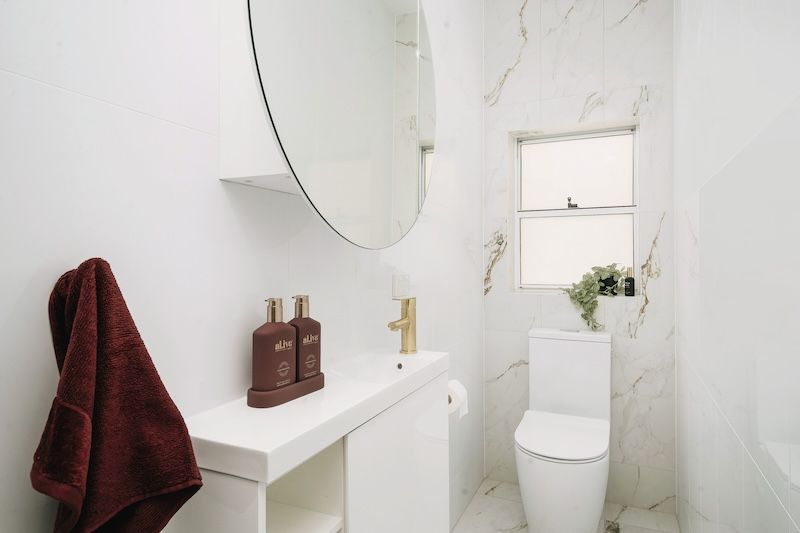
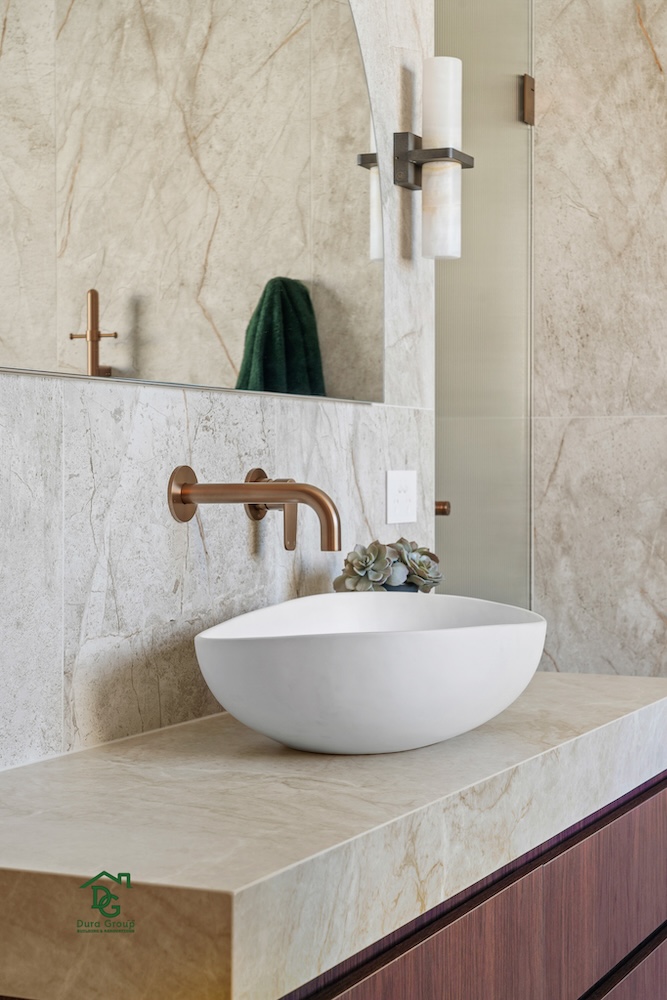
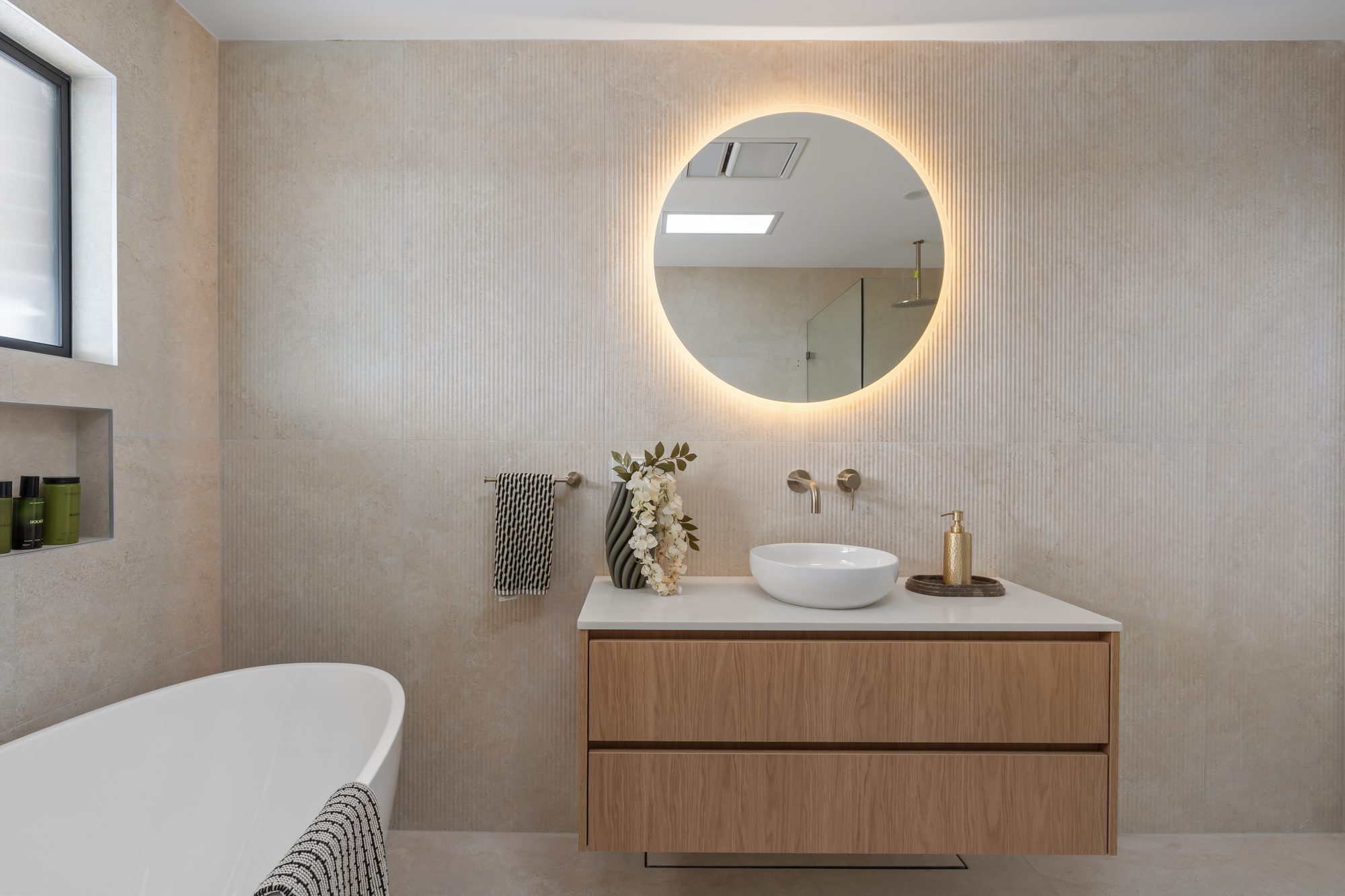
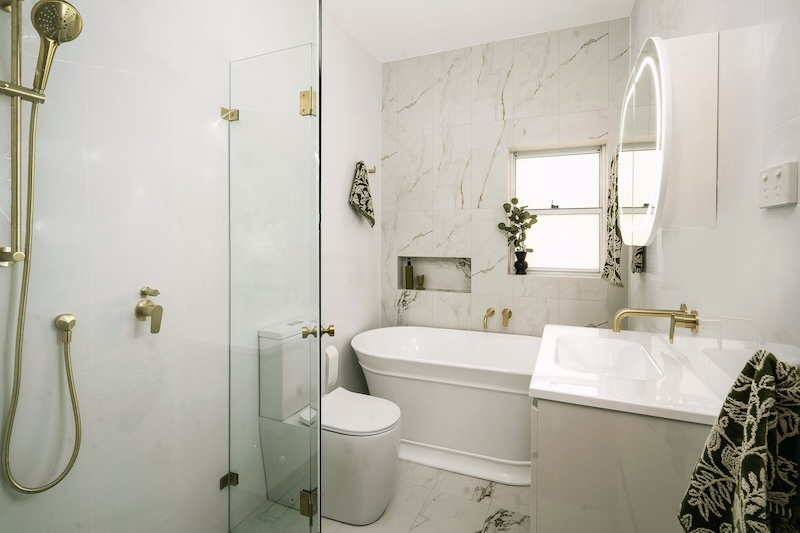
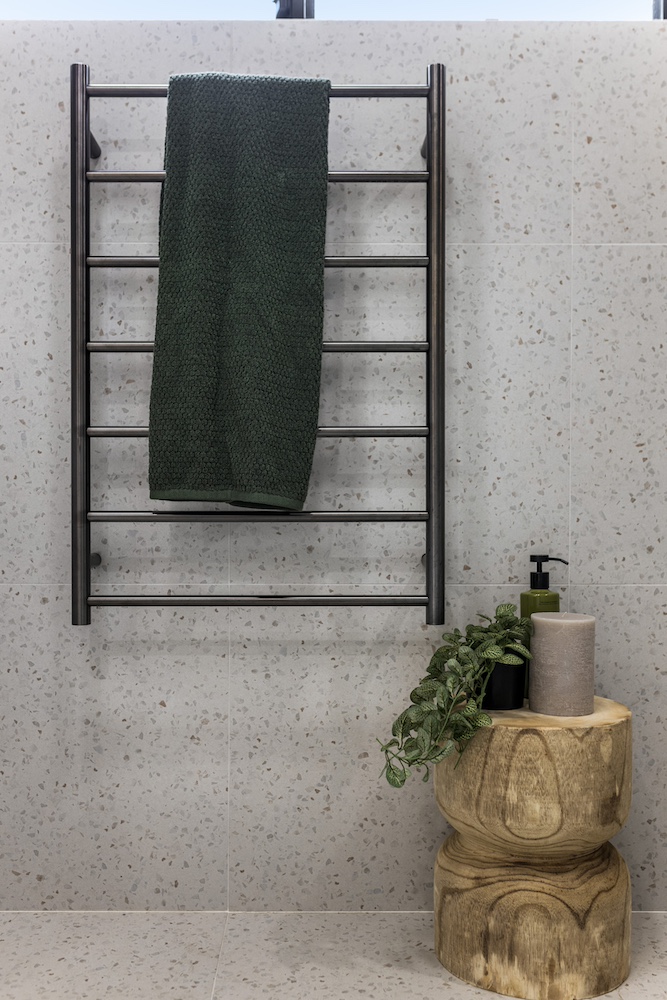
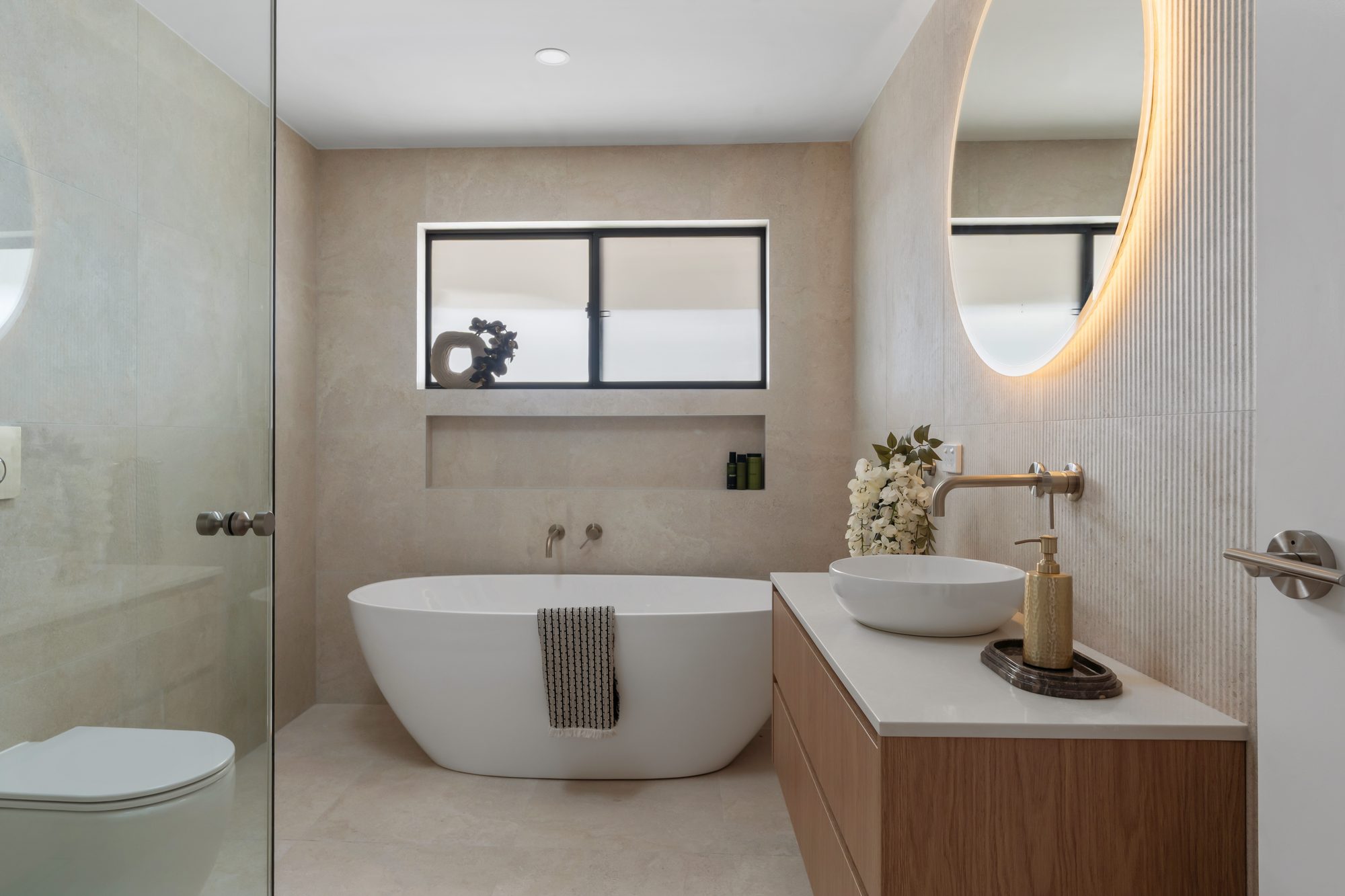
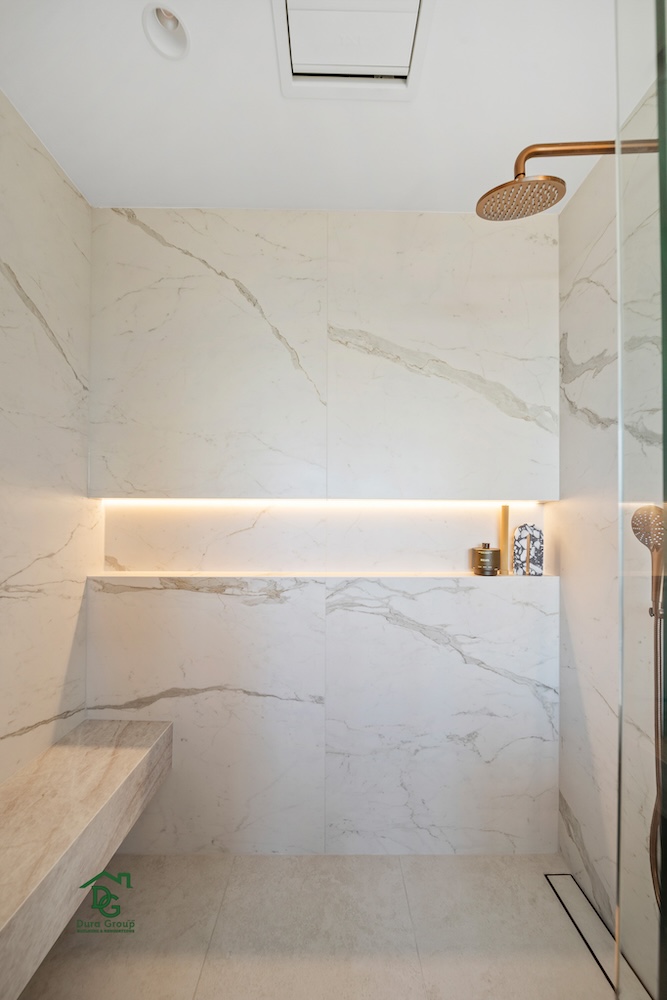
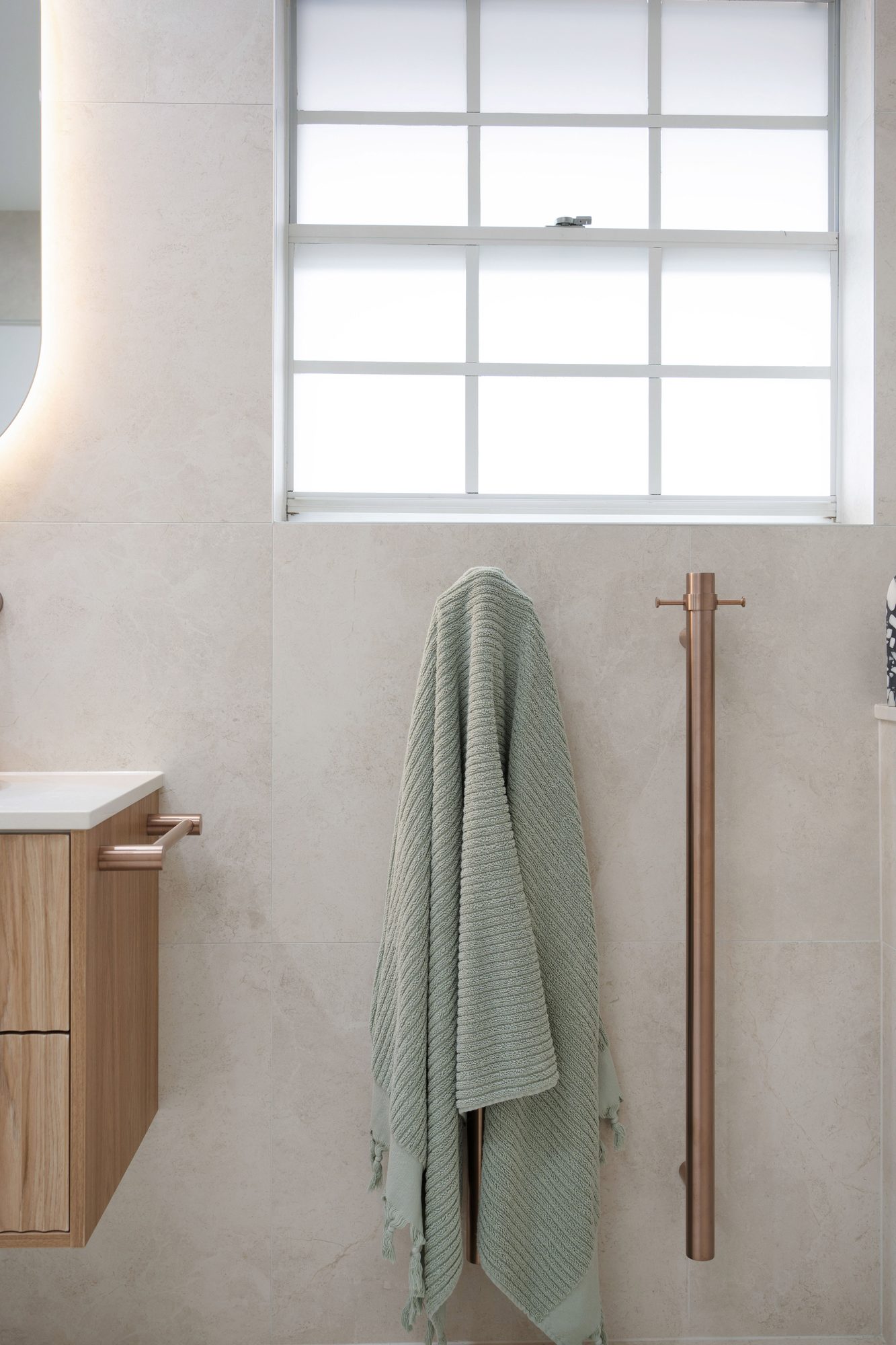
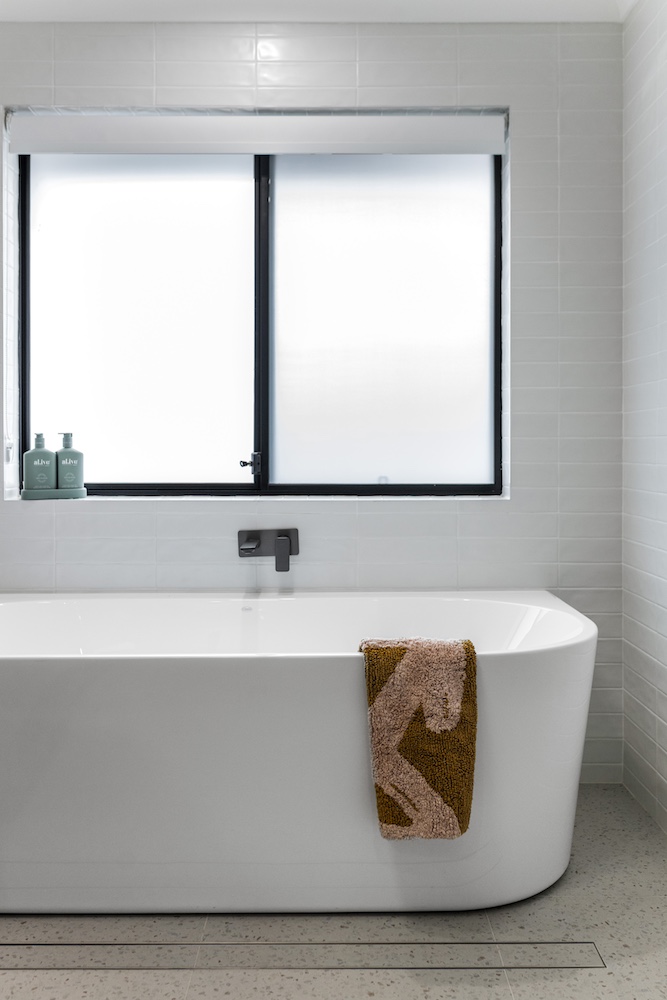
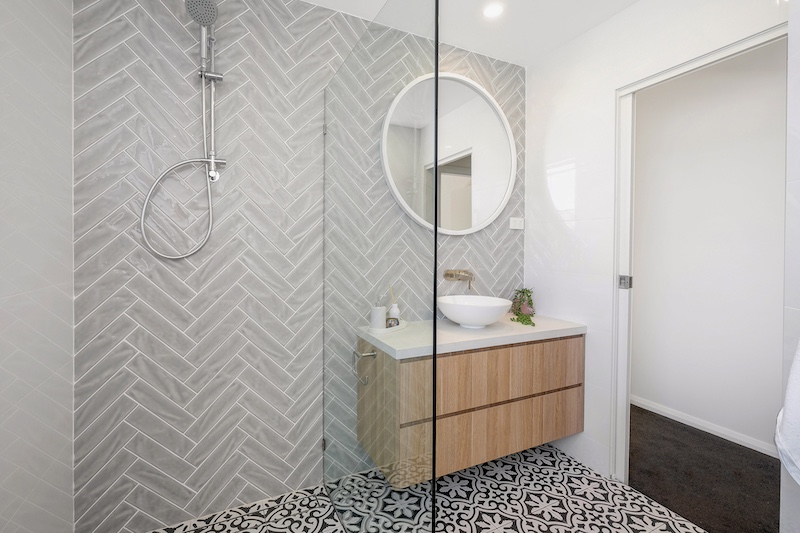
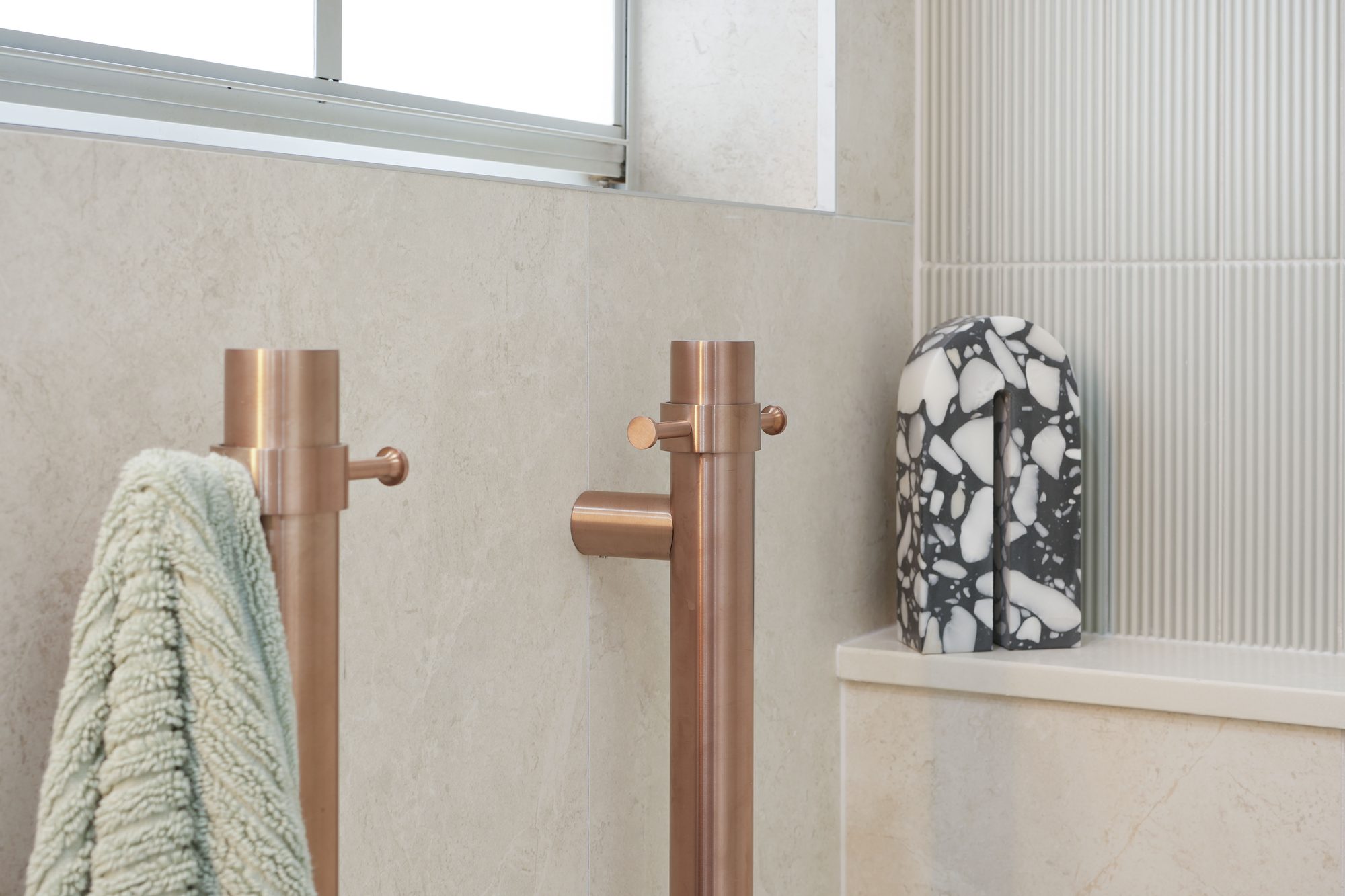
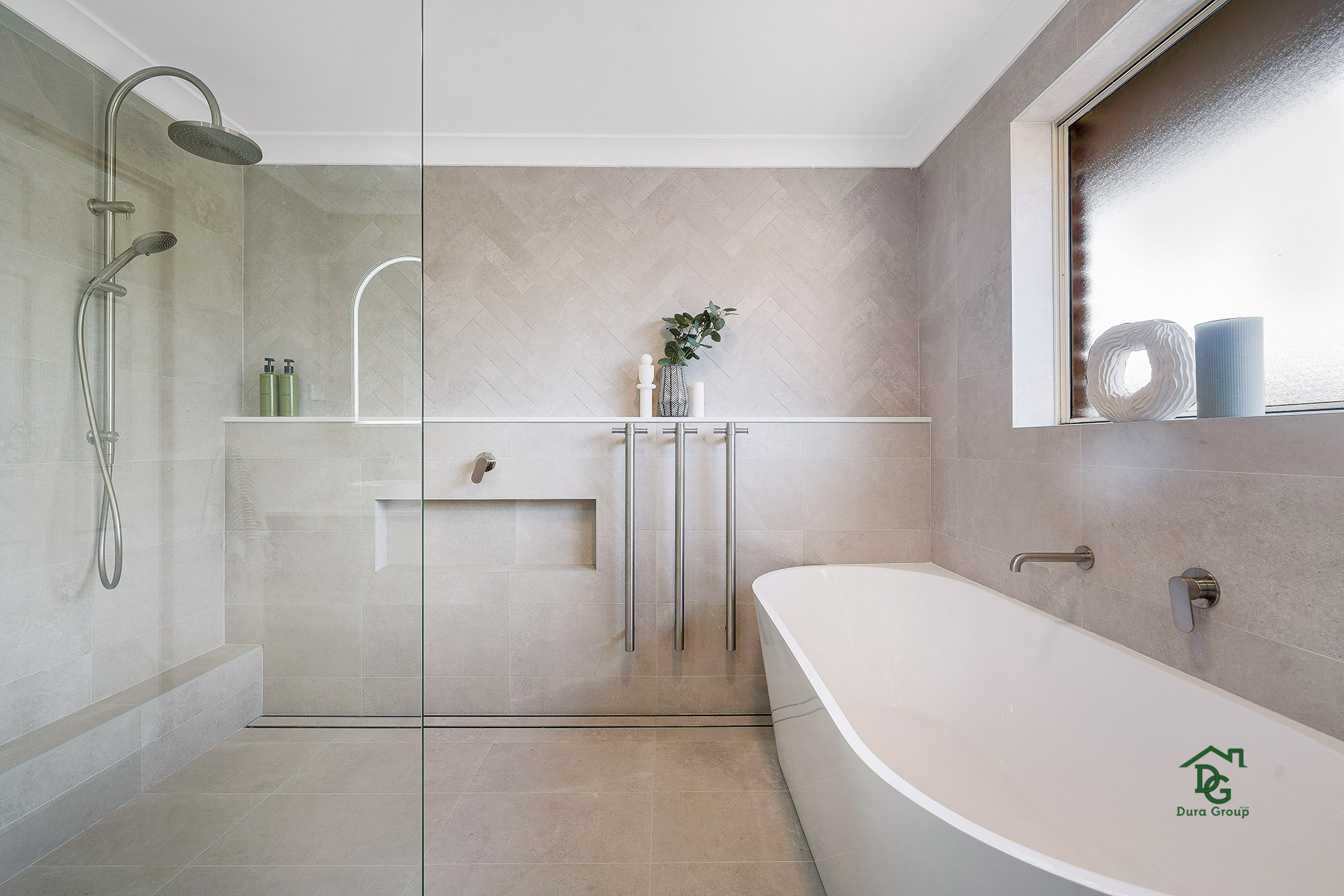
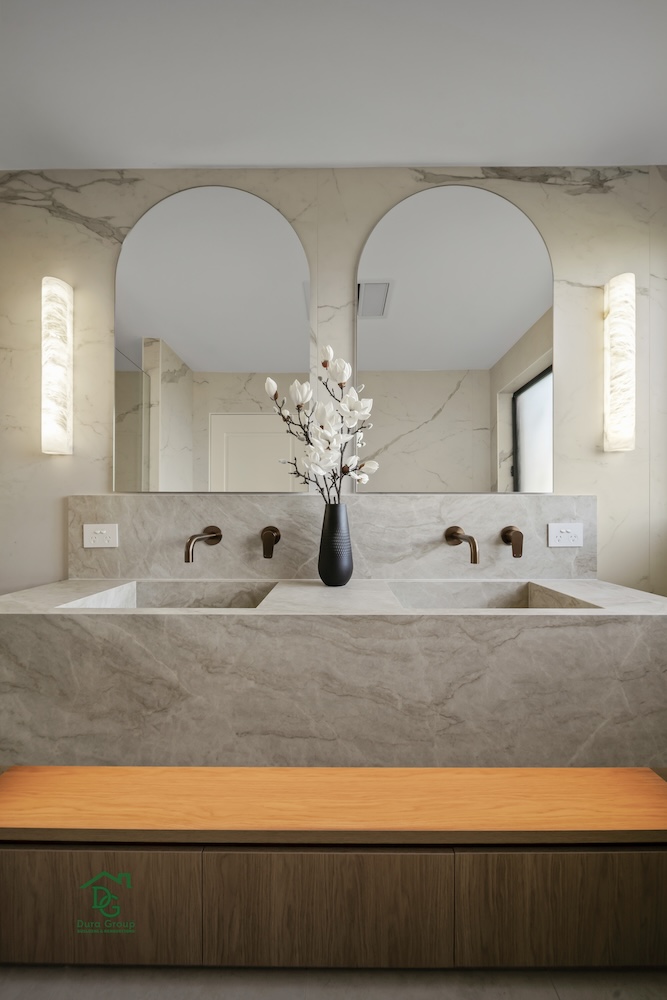
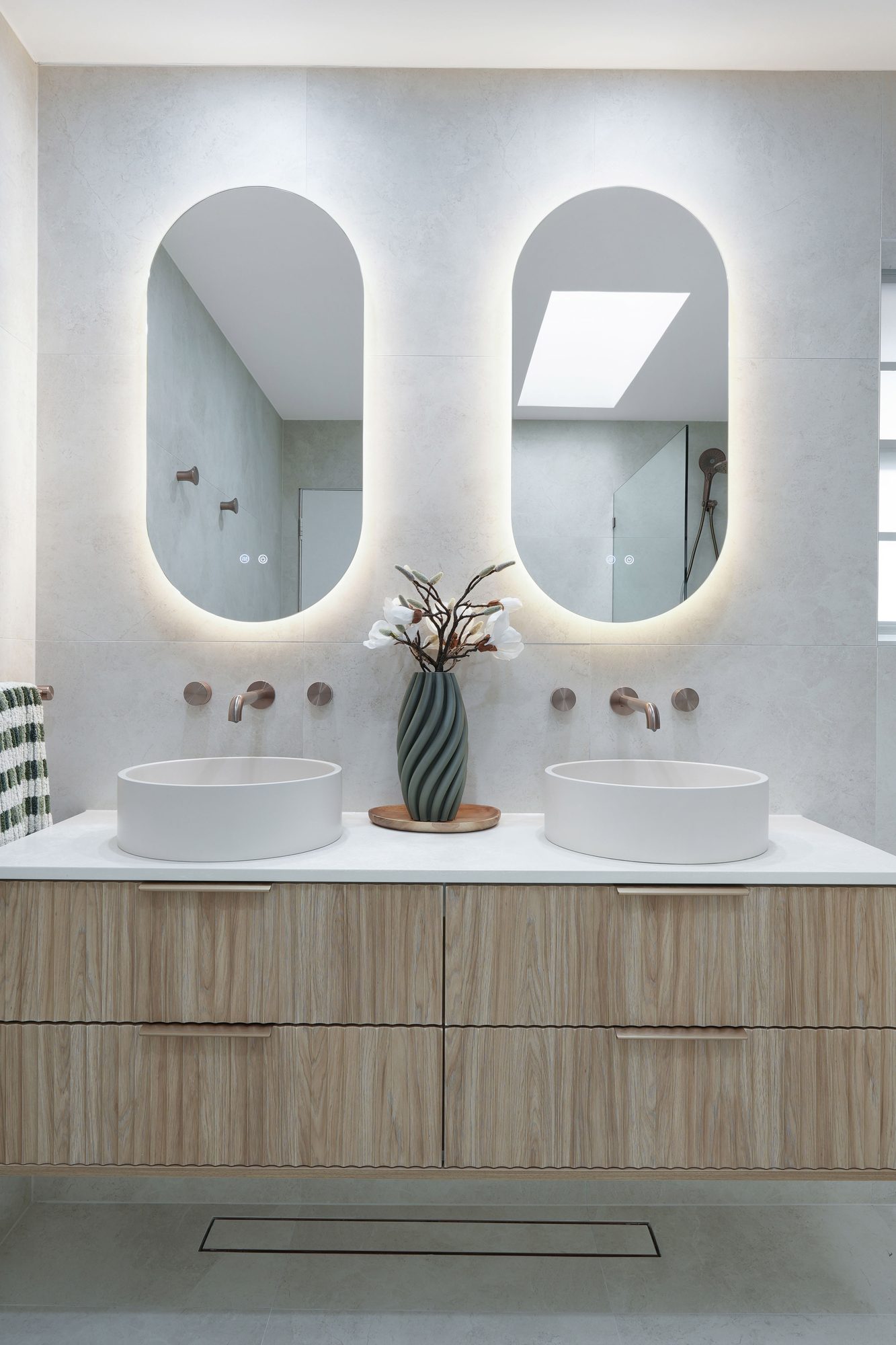
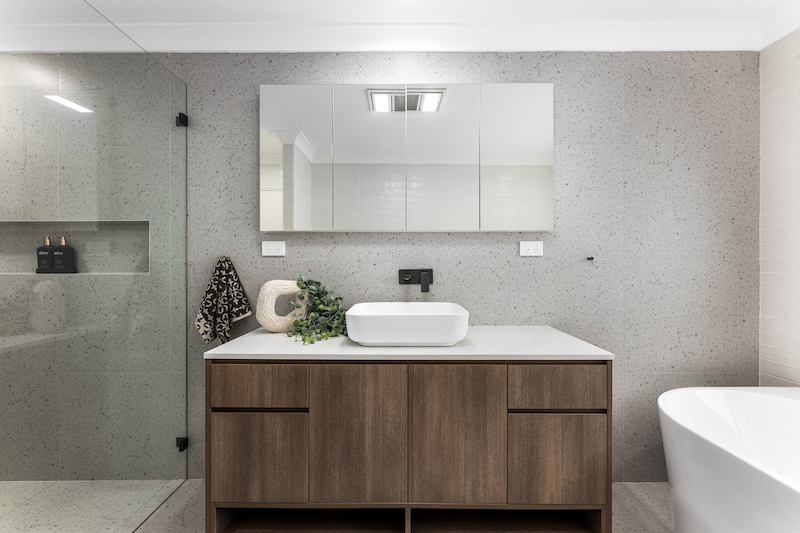
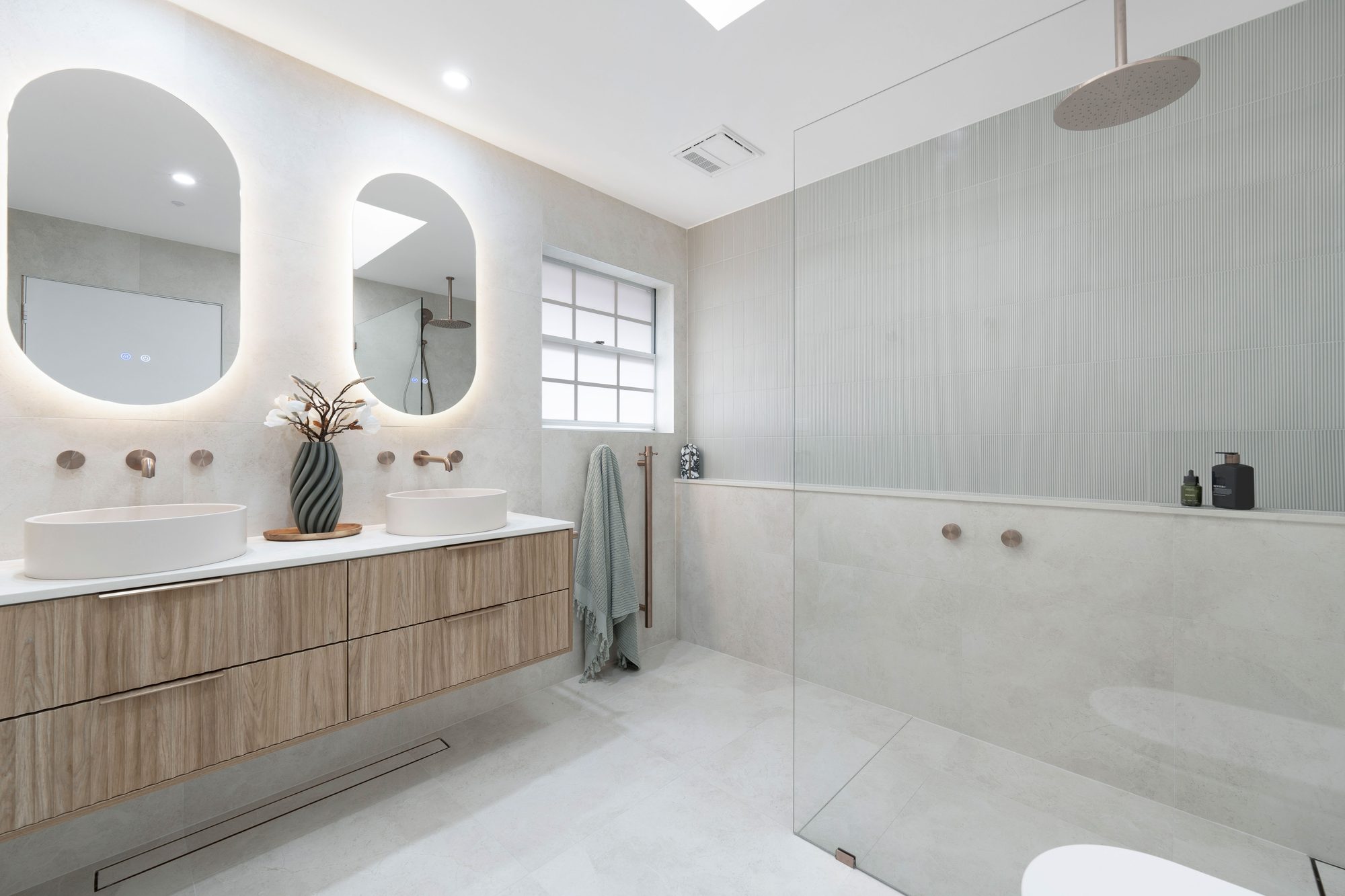
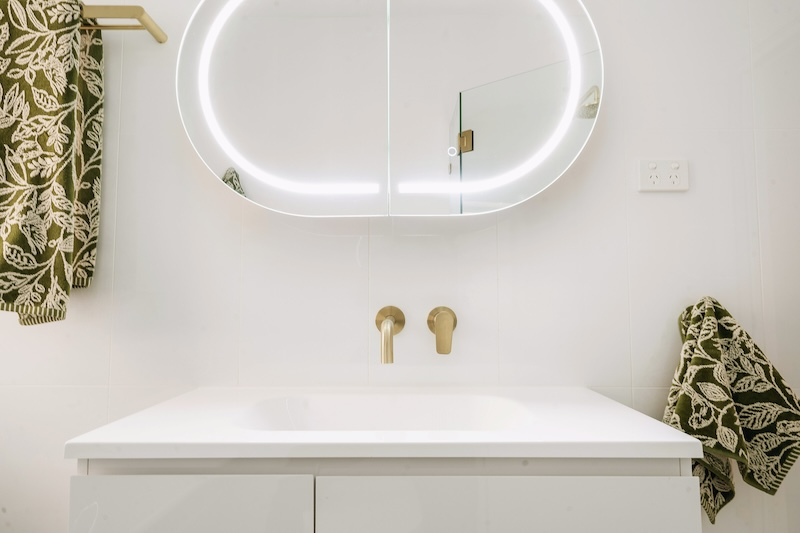
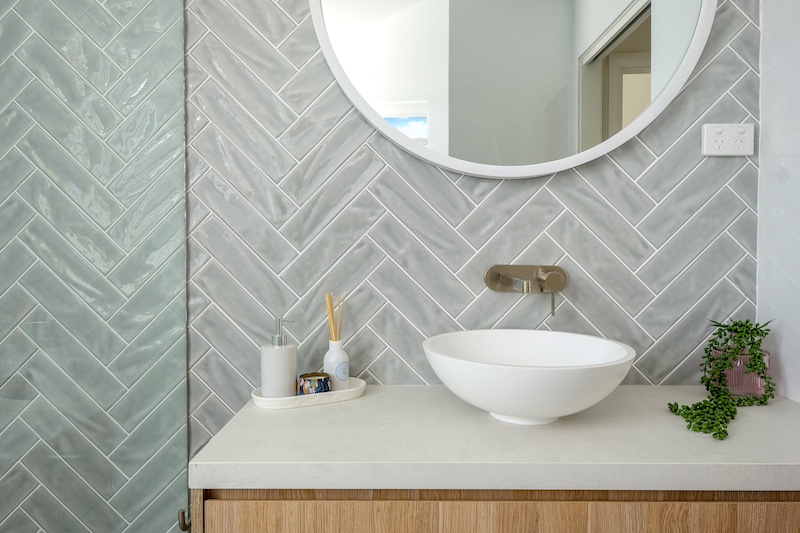
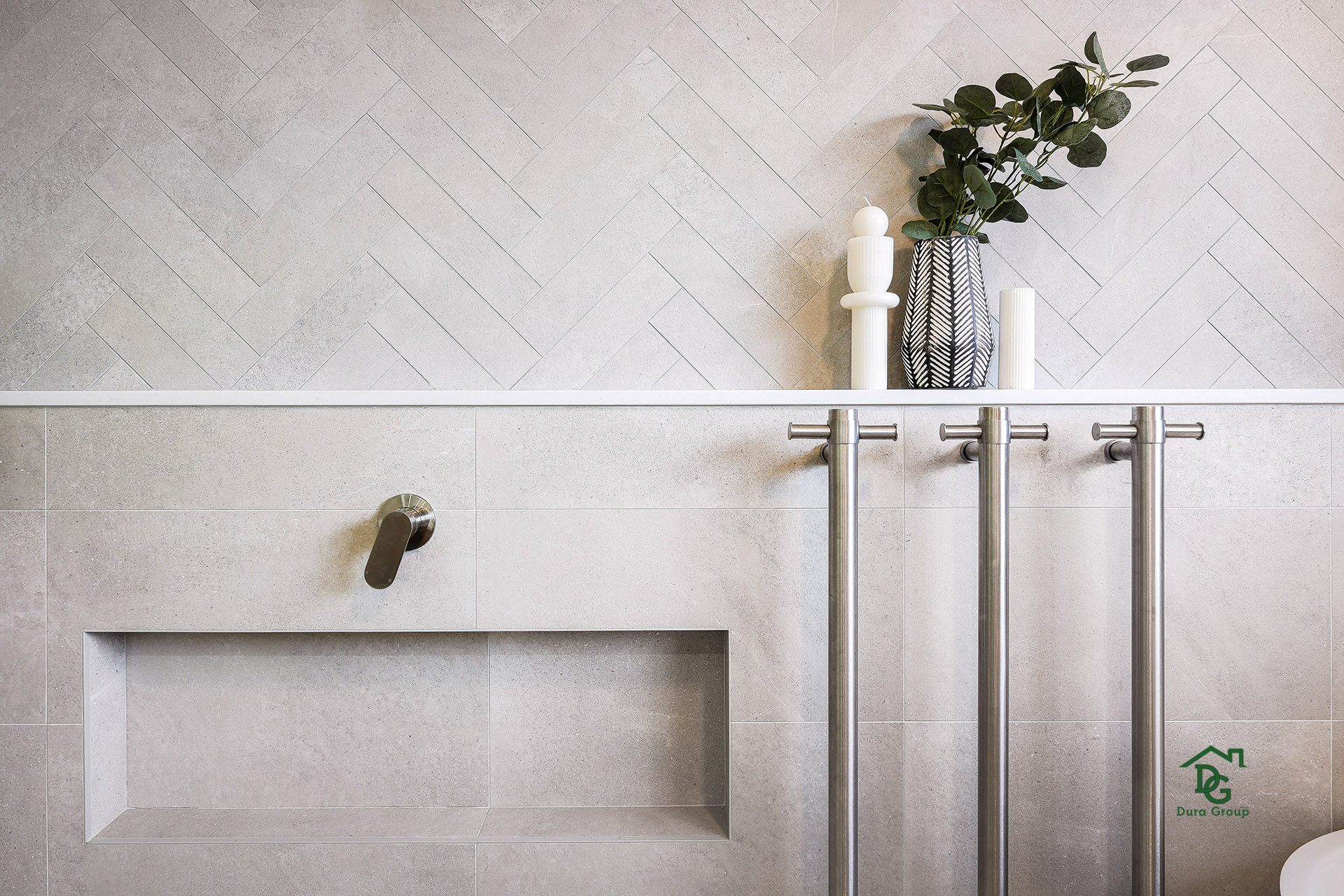
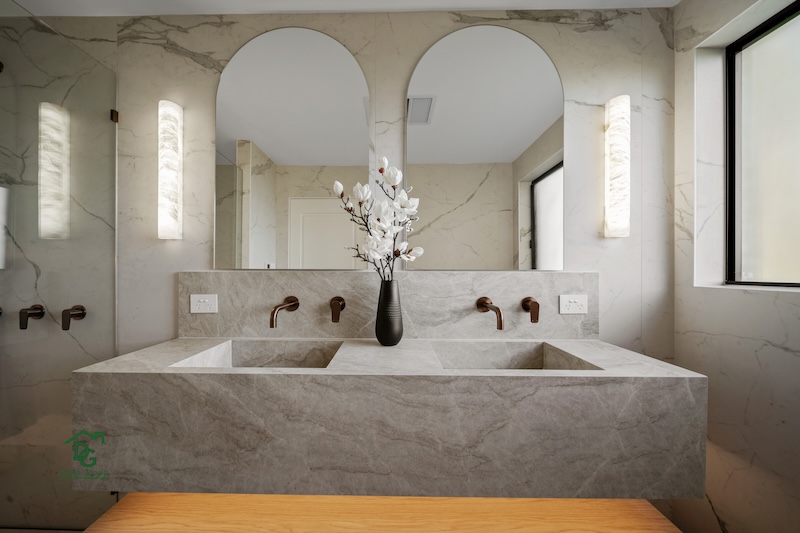
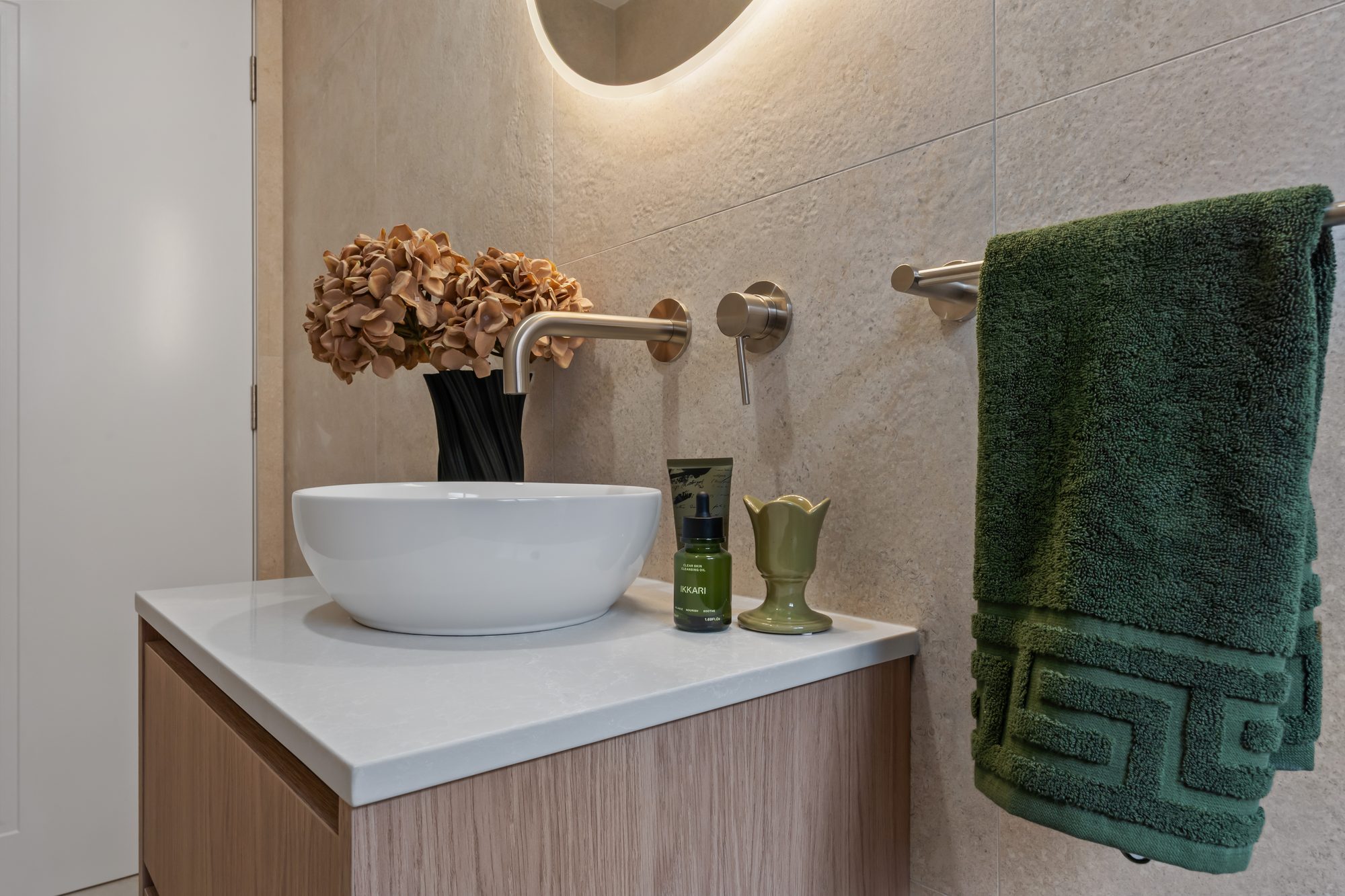
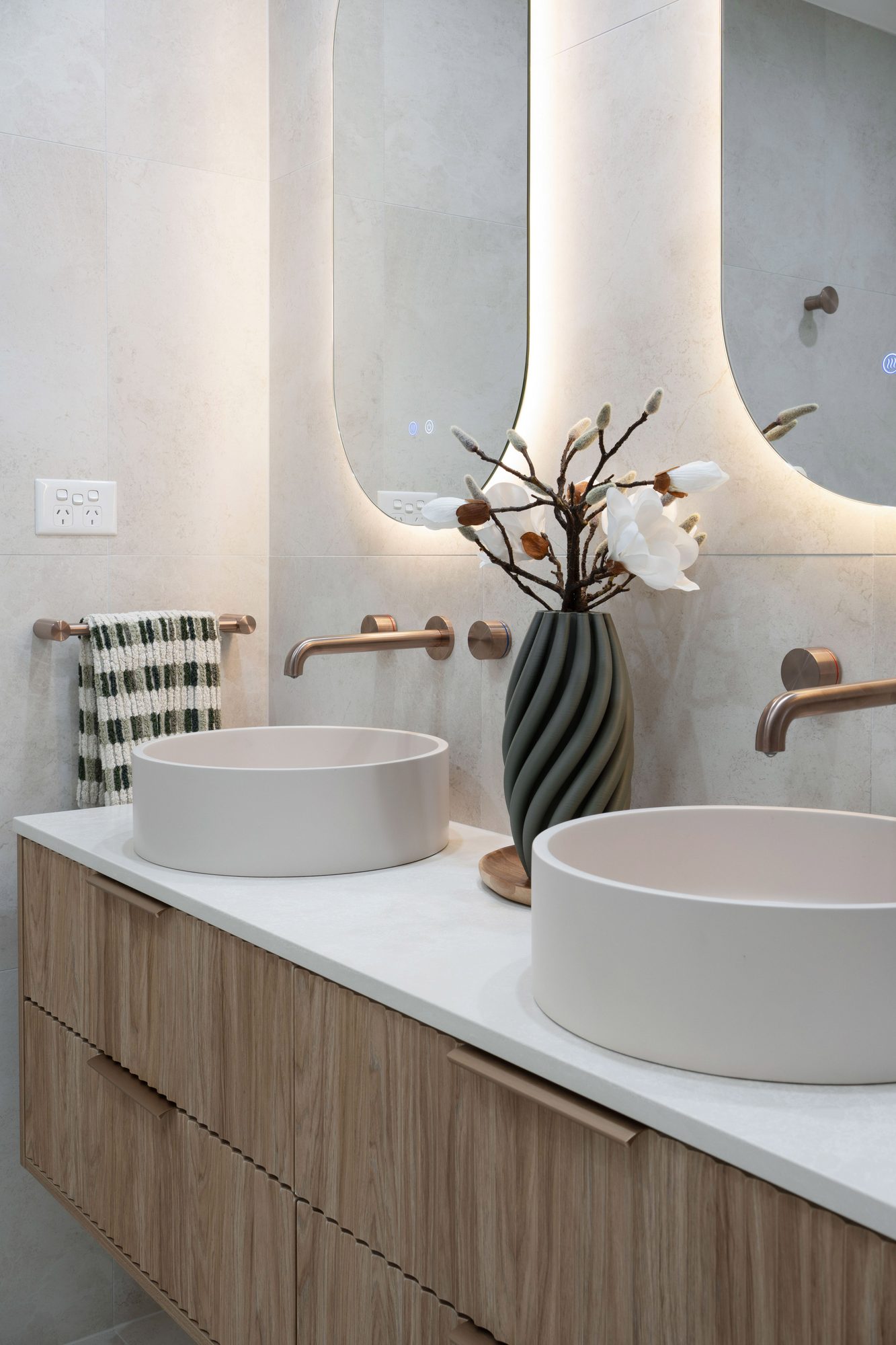
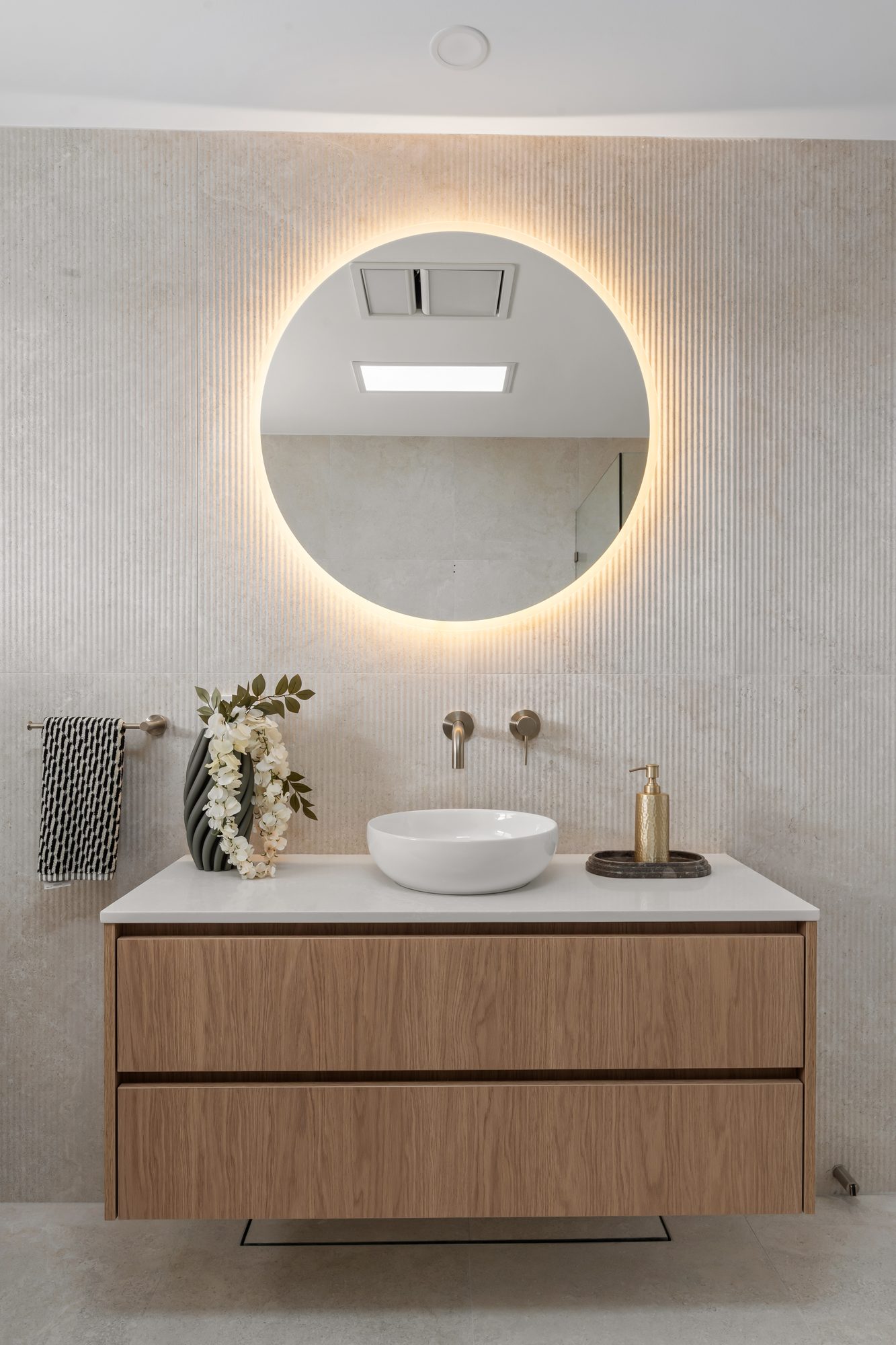
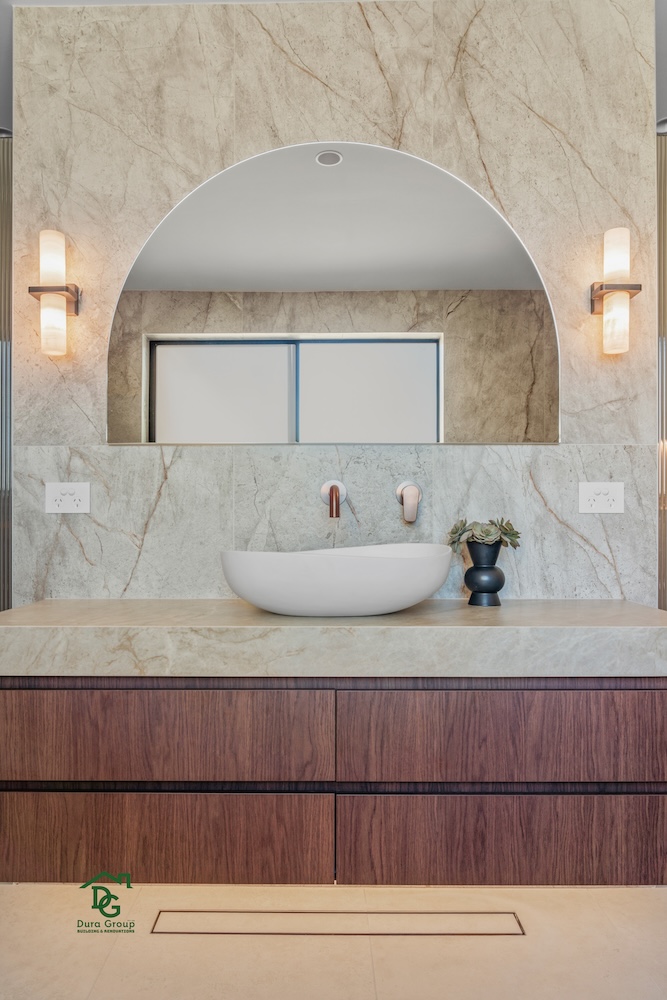
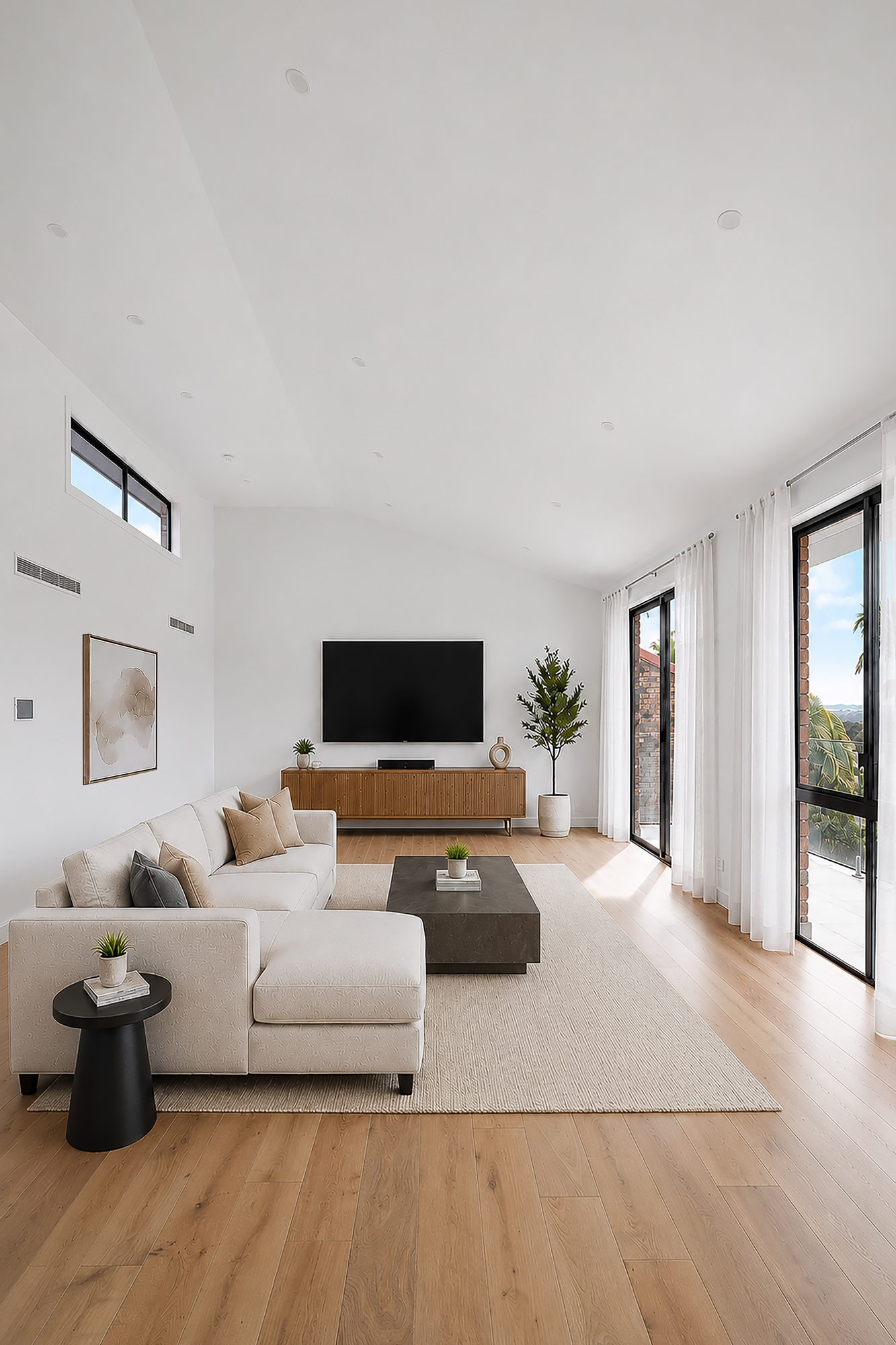
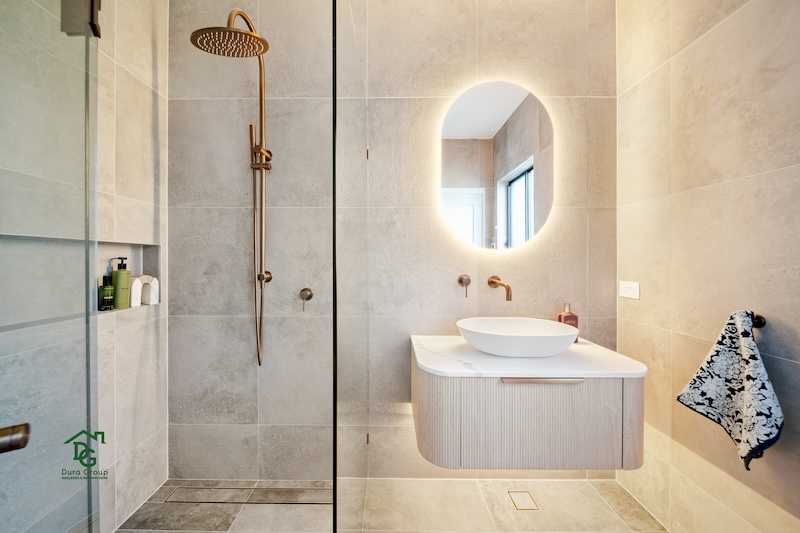
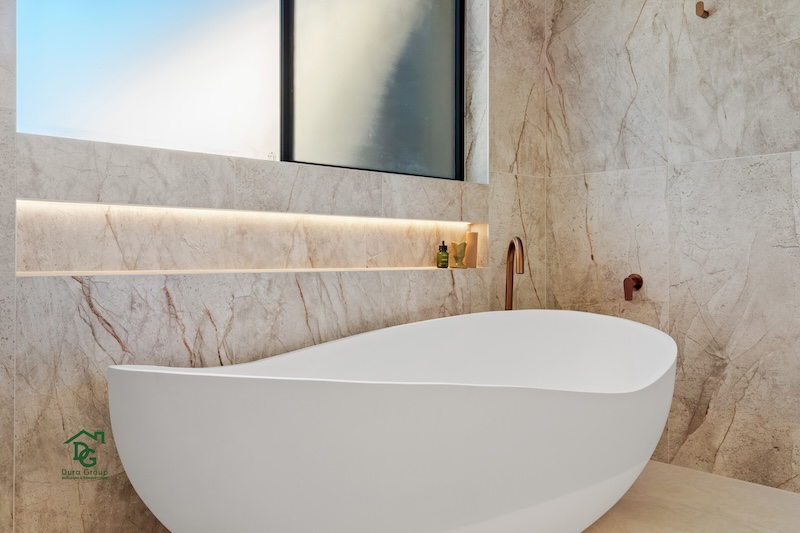
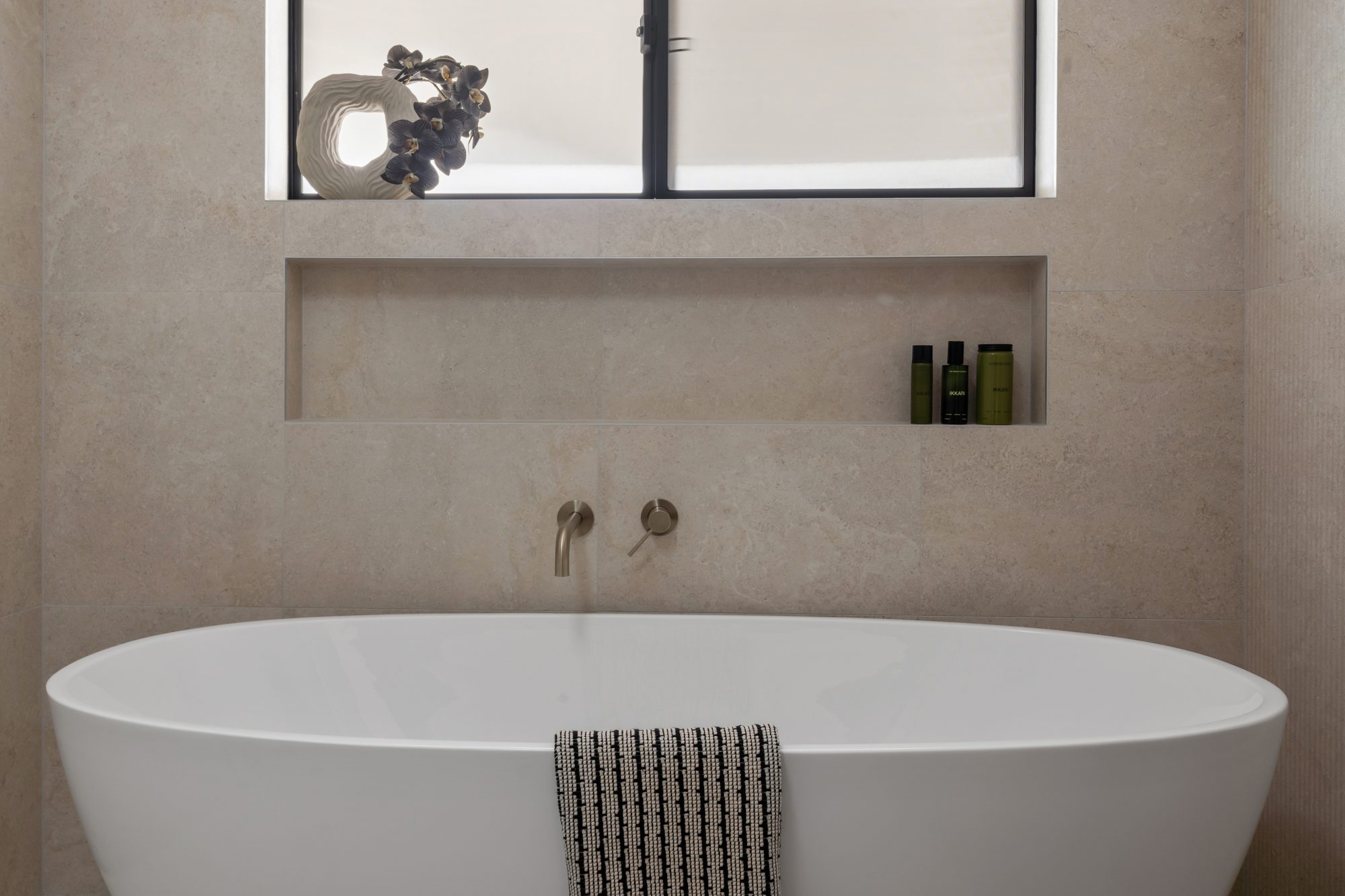
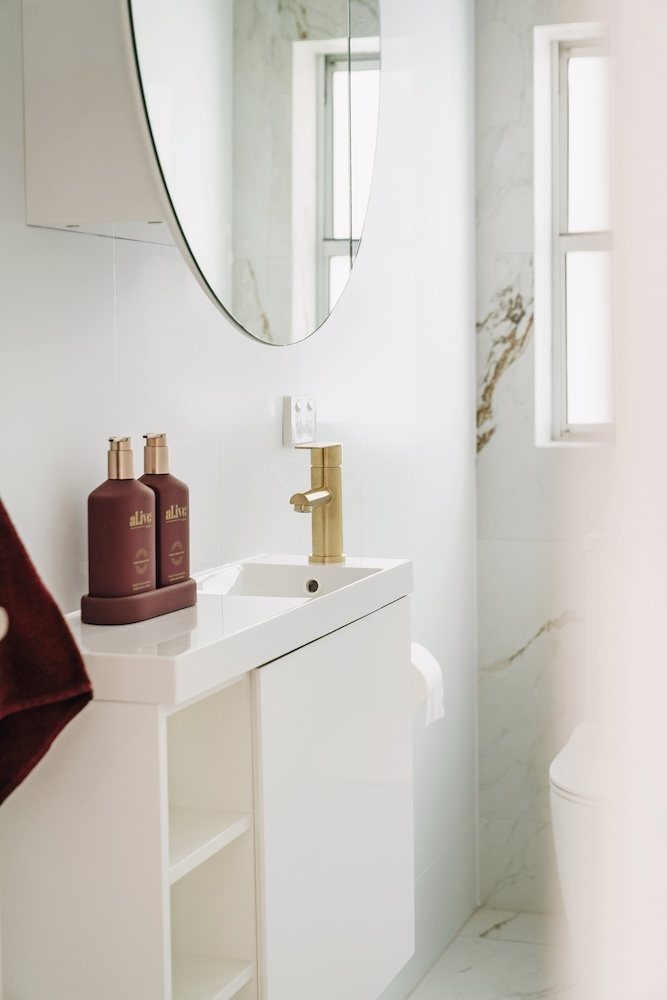
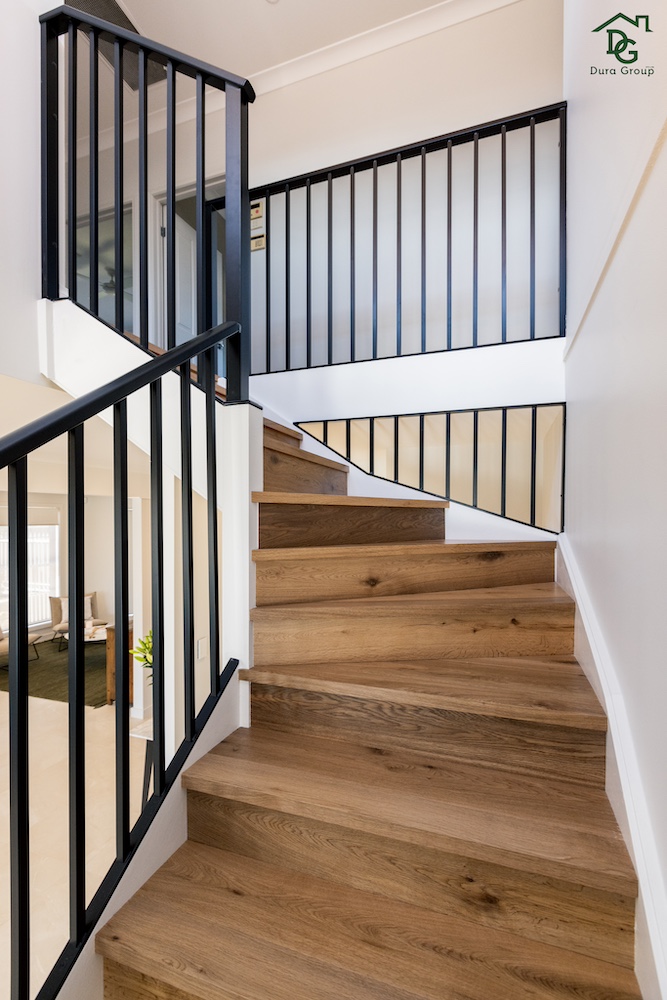
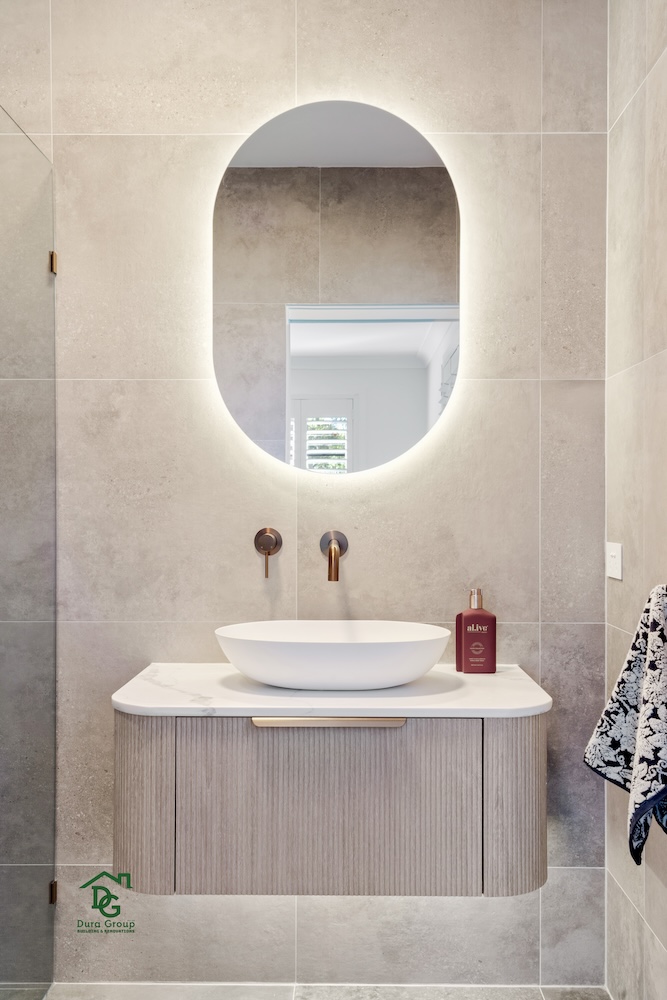
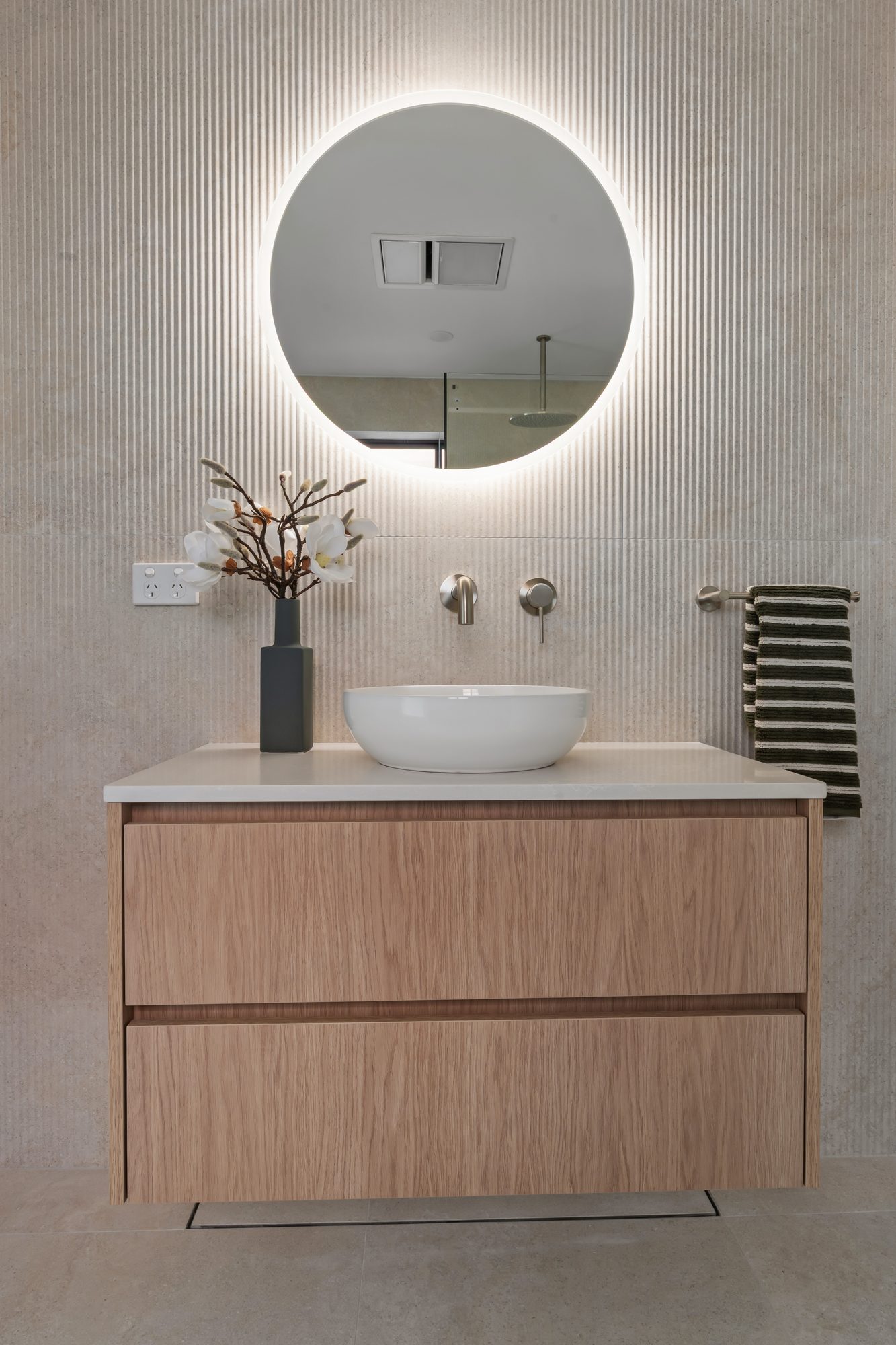
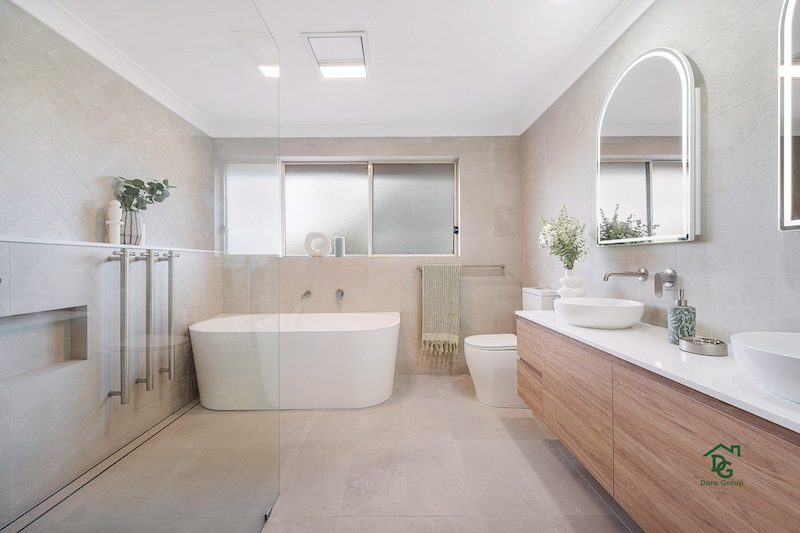
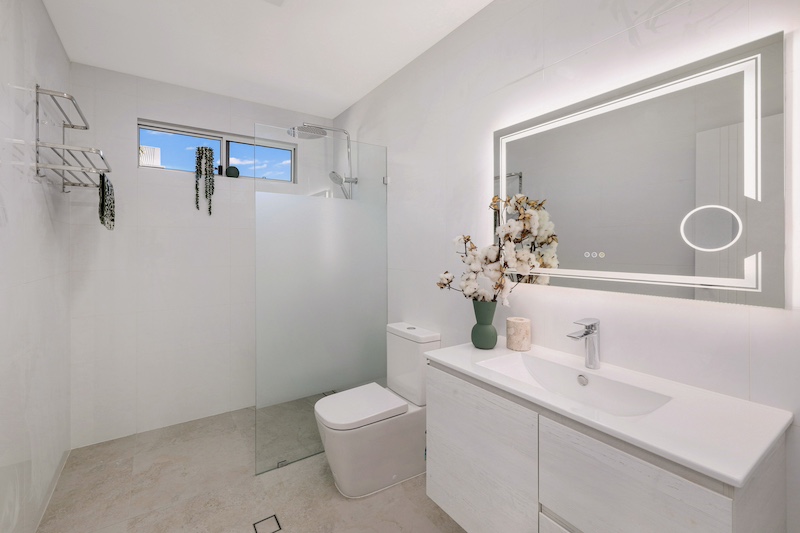
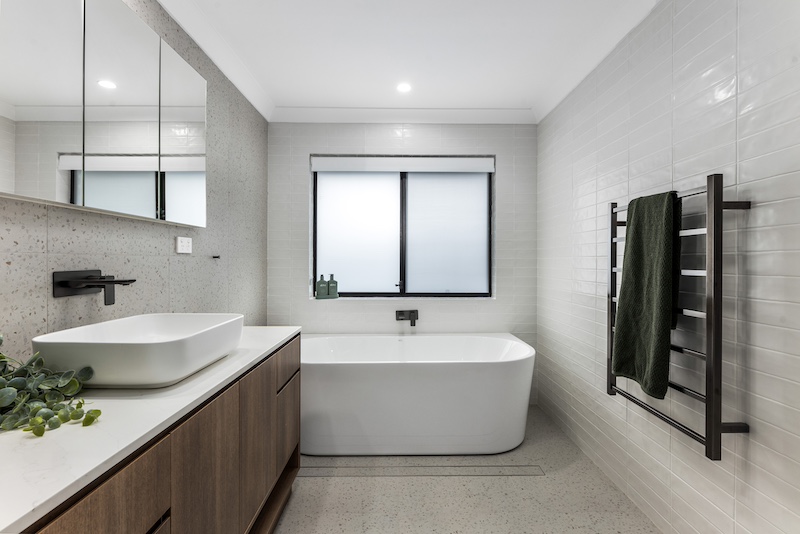
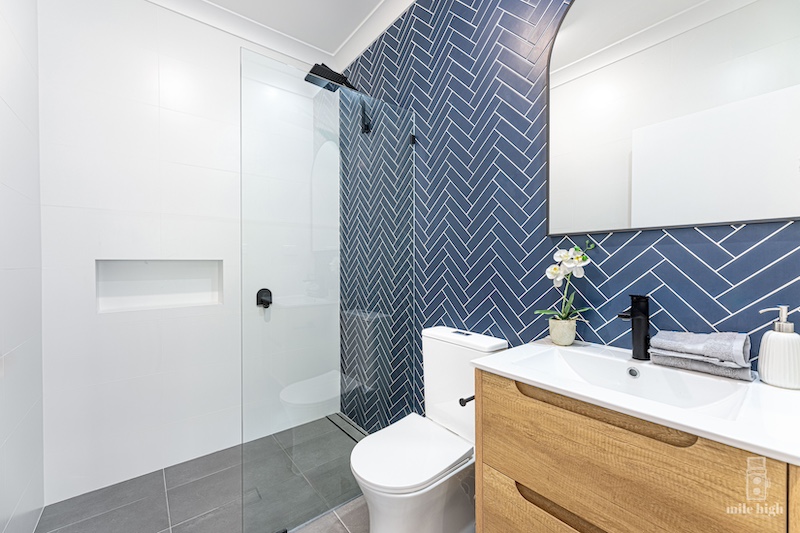
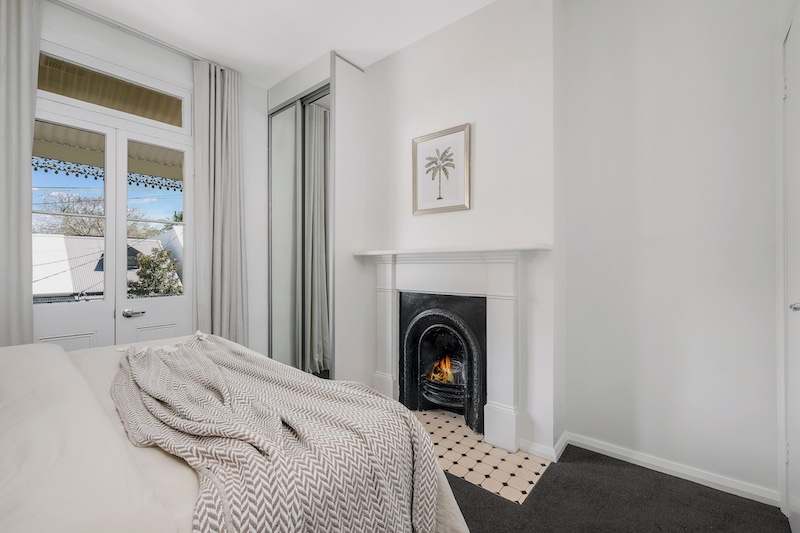
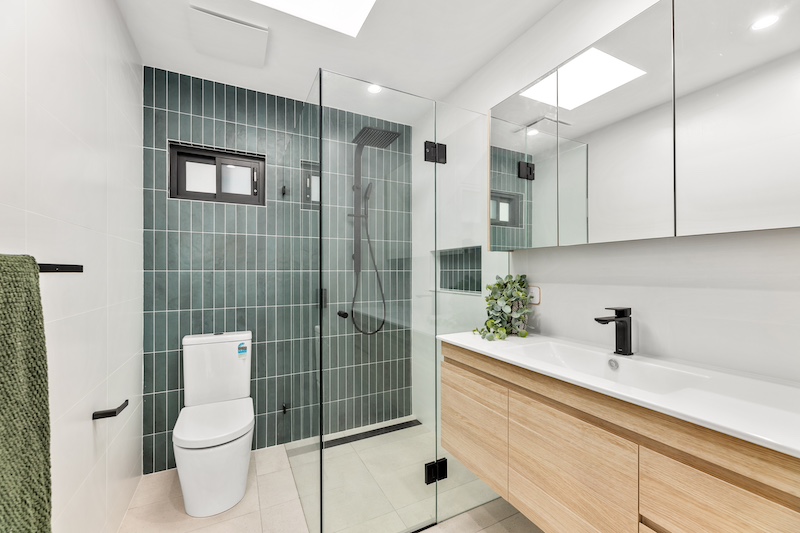
Bathroom renovations range from single-room updates with new tiling and fixtures to full reconfiguration of wet areas. Ground floor extensions add living space without altering the roofline, while upper storey additions suit blocks where footprint expansion is limited.
How does Dura Group handle council approvals in Canterbury?
Dura Group prepares and lodges all DA and CDC applications with Canterbury-Bankstown Council on behalf of Canterbury homeowners. This covers architectural drawings, structural engineering plans, BASIX energy and water efficiency certificates, and any required specialist reports.
Canterbury-Bankstown Council has specific controls for residential development across different zones. Dura Group identifies these requirements early, preventing delays and unexpected costs during the approval process.
[geocentric_weather id=”ef7511c7-e2a8-4b2d-b3fb-a825e2ead05b”][geocentric_about id=”ef7511c7-e2a8-4b2d-b3fb-a825e2ead05b”][geocentric_neighborhoods id=”ef7511c7-e2a8-4b2d-b3fb-a825e2ead05b”][geocentric_thingstodo id=”ef7511c7-e2a8-4b2d-b3fb-a825e2ead05b”][geocentric_busstops id=”ef7511c7-e2a8-4b2d-b3fb-a825e2ead05b”][geocentric_mapembed id=”ef7511c7-e2a8-4b2d-b3fb-a825e2ead05b”][geocentric_drivingdirections id=”ef7511c7-e2a8-4b2d-b3fb-a825e2ead05b”][geocentric_reviews id=”ef7511c7-e2a8-4b2d-b3fb-a825e2ead05b”]